








News

Share
Published 12:52 10 Mar 2022 GMT
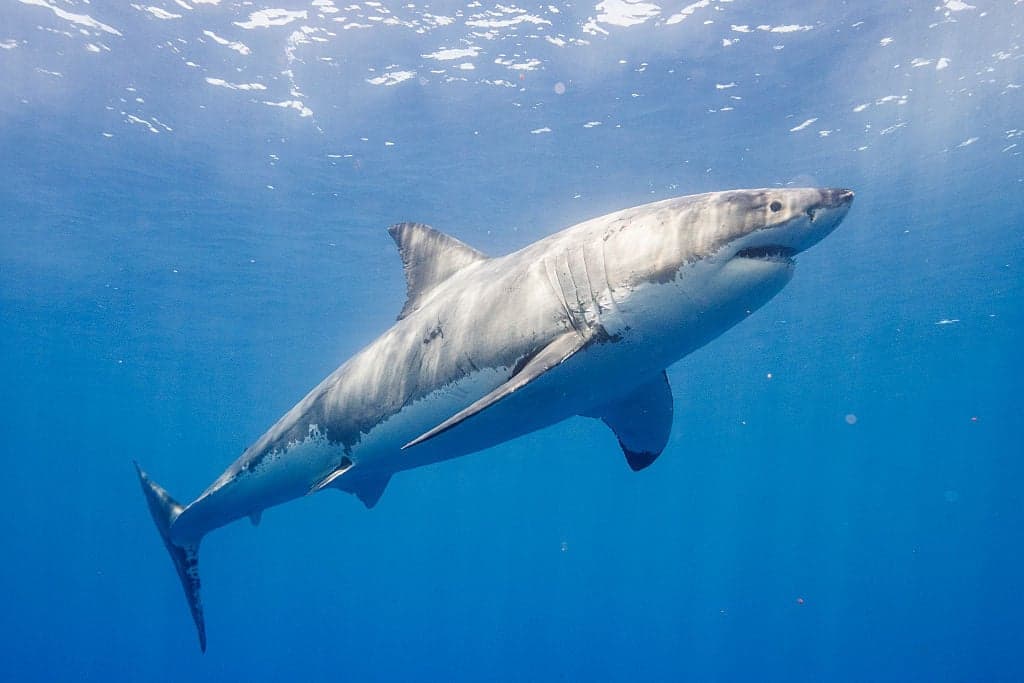
"Not only do sleeping sharks have reduced responsiveness to stimulation, they also have lower metabolic rate," Dr Kelly and his team write in the study.
The sharks sometimes slept with their eyes shut, but this was concluded to be a result of the light levels as opposed to how deep their sleep was as it happened most often during the day. The study concludes: "Future research should focus on other physiological indicators of sleep, such as changes in brain activity, for a more complete portrait of sleep in these vertebrates." The findings aren't just significant for the shark world though, as they may help explain the wider mystery around why it is animals and humans need to sleep, the New Daily reports. Dr Kelly explained: "We still haven’t gotten our heads around why the hell it is that we spend one-third of our lives in this weird state, where we are just kind of dead, kind of unconscious.
News

News

News
News
Wainwright fire kills several at Canada military base
A nearby hospital declared a mass-casualty emergency A fire at a Canadian military base has caused the deaths of several people and left dozens of others injured. The fire broke out at Canadian Forces Base Wainwright on Saturday evening, as per the BBC. According to Canadian broadcaster Global News, which cited unnamed military sources, at […]
News
5h
Store closures confirmed as HMV and Typo shut UK shops
More high street closures as retailers battle rising rents The UK retail landscape is set for another shake-up, with four familiar names preparing to close stores as businesses grapple with expensive leases and changing sales. Stationery retailer Typo is withdrawing from the British market altogether, putting its remaining 13 shops at risk of closure. Meanwhile, […]
News
22h

News
Government plans to expand BBC licence fee with proposed ‘YouTube Tax’
News