




Politics

Share
Published 17:41 26 Jan 2022 GMT
Updated 12:49 27 Jan 2022 GMT

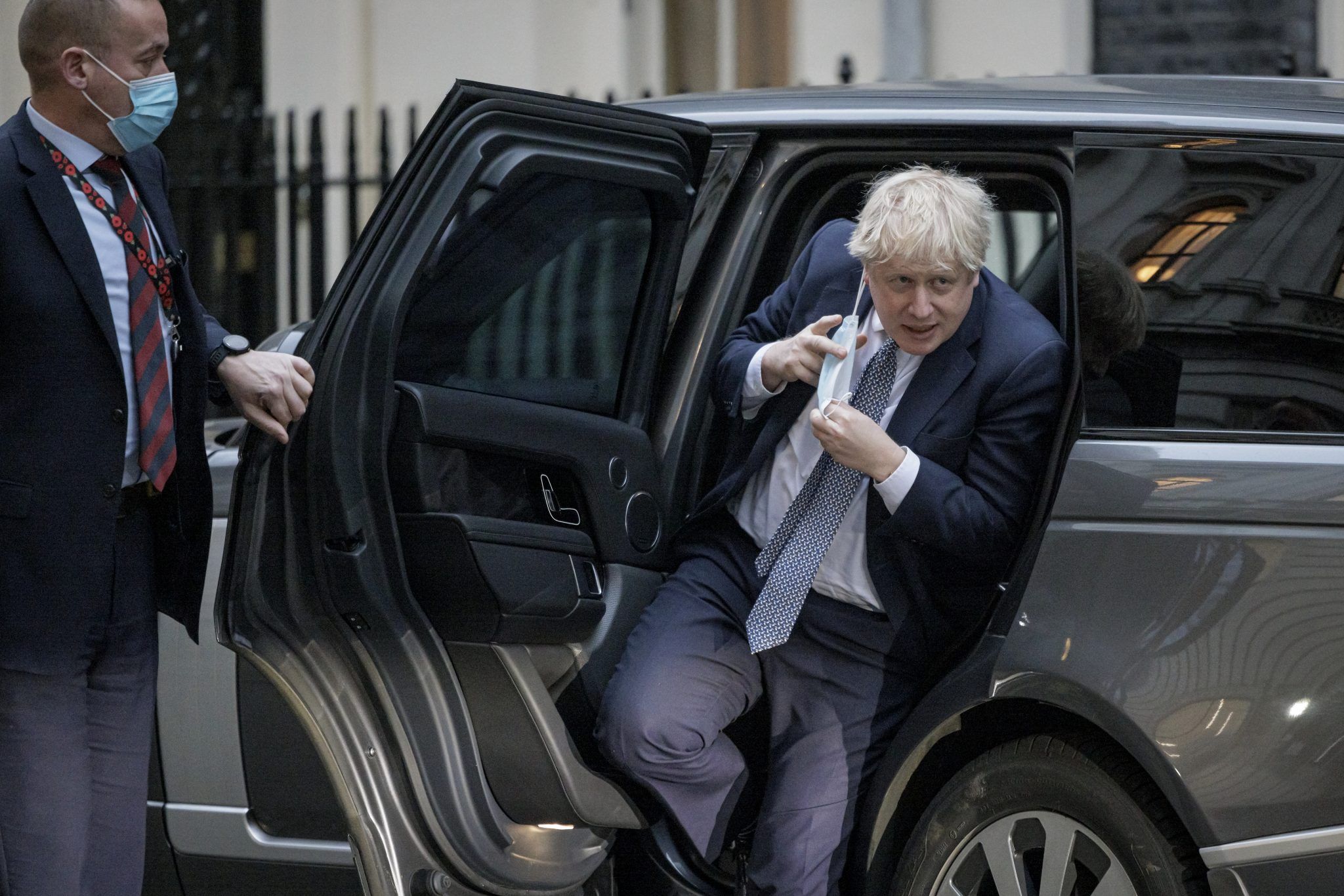 Johnson lifted Plan B measures, including the directive to WFH, on January 19, which had been in place since 8 December.
WFH advice ends on 31 January.
The PM cited a fall in cases for ending restrictions and suggested Omicron had peaked nationally.
Meanwhile, in Northern Ireland, bosses have been urged to encourage working from home "where possible", and in Wales, guidance says employees should not be "required or placed under pressure to return", reports the BBC.
In Scotland, like the UK, the WFH advice ends next Monday, but workers are being encouraged to split their time between the office and home.
Johnson lifted Plan B measures, including the directive to WFH, on January 19, which had been in place since 8 December.
WFH advice ends on 31 January.
The PM cited a fall in cases for ending restrictions and suggested Omicron had peaked nationally.
Meanwhile, in Northern Ireland, bosses have been urged to encourage working from home "where possible", and in Wales, guidance says employees should not be "required or placed under pressure to return", reports the BBC.
In Scotland, like the UK, the WFH advice ends next Monday, but workers are being encouraged to split their time between the office and home.
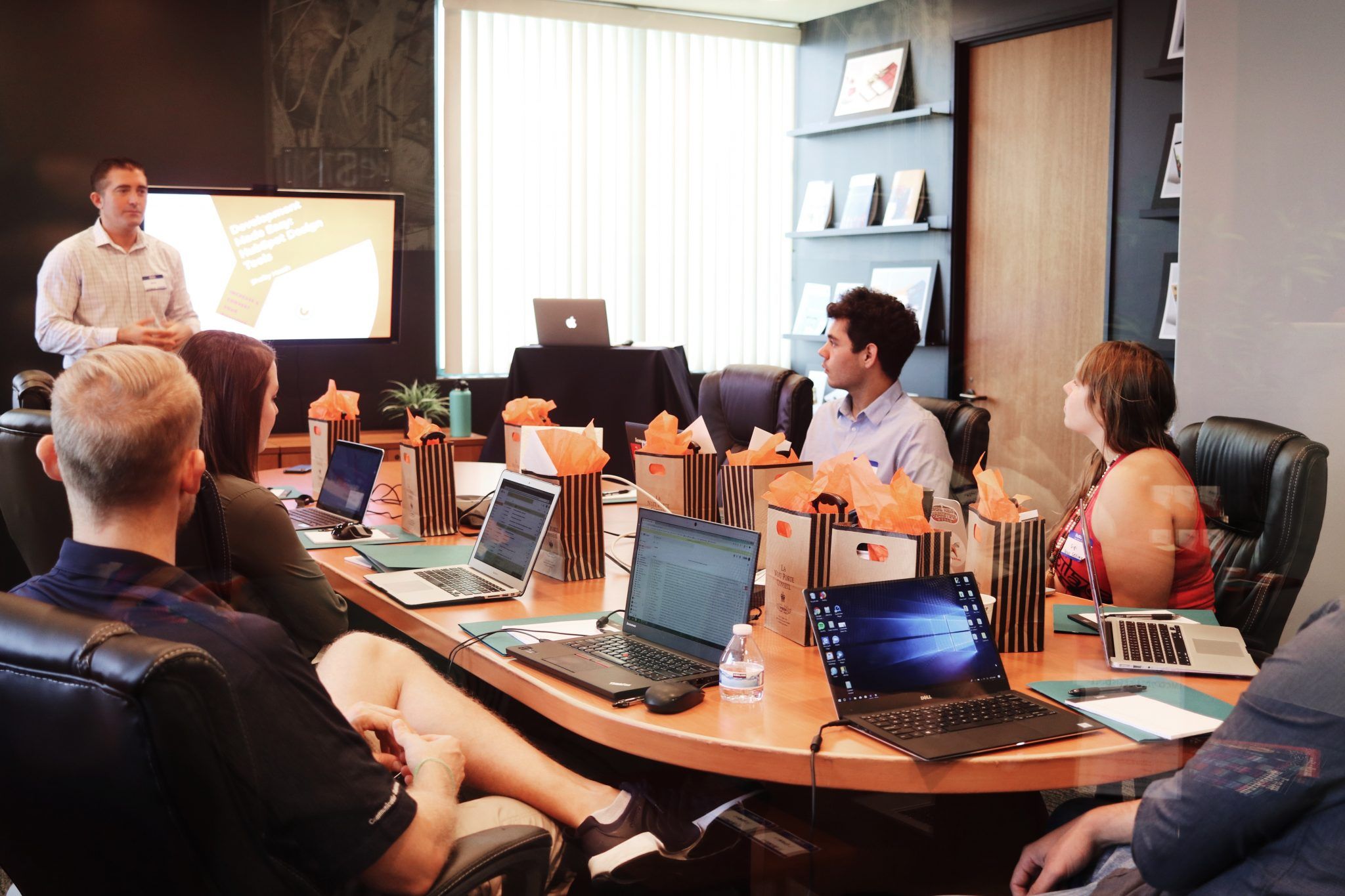 Two-thirds of Brits don't want to return/Via Unsplash[/caption]
If your company demands you return to the office, they can only make you do so if your contract details specific work environments, advice suggests.
"When you enter into a contract to work for an employer, you have to comply with 'reasonable management requests'. That means your employer can ask you to return to your normal workplace if your original contract specified that you would be office-based or based elsewhere," Citizens Advice told the Mirror.
A spokesperson for the charity added that employees are within their rights to request to continue working from home, but that doesn't mean bosses have to oblige.
"Start by having an open conversation with your employer about your wishes, and consider making a flexible working request," the spokesperson advised.
Charlotte Davies, who works as a career expert at LinkedIn, emphasised that everyone will be feeling differently about the transition.
"For some, returning to the office will be a welcome change, while for others it will be something they're feeling a little apprehensive about," she said.
"Our latest UK research from December 2021 - before WFH became government guidance again - showed that 23% of workers felt their confidence had improved since returning to the office after working from home, while 21% said the return had a negative impact on their confidence."
Two-thirds of Brits don't want to return/Via Unsplash[/caption]
If your company demands you return to the office, they can only make you do so if your contract details specific work environments, advice suggests.
"When you enter into a contract to work for an employer, you have to comply with 'reasonable management requests'. That means your employer can ask you to return to your normal workplace if your original contract specified that you would be office-based or based elsewhere," Citizens Advice told the Mirror.
A spokesperson for the charity added that employees are within their rights to request to continue working from home, but that doesn't mean bosses have to oblige.
"Start by having an open conversation with your employer about your wishes, and consider making a flexible working request," the spokesperson advised.
Charlotte Davies, who works as a career expert at LinkedIn, emphasised that everyone will be feeling differently about the transition.
"For some, returning to the office will be a welcome change, while for others it will be something they're feeling a little apprehensive about," she said.
"Our latest UK research from December 2021 - before WFH became government guidance again - showed that 23% of workers felt their confidence had improved since returning to the office after working from home, while 21% said the return had a negative impact on their confidence."
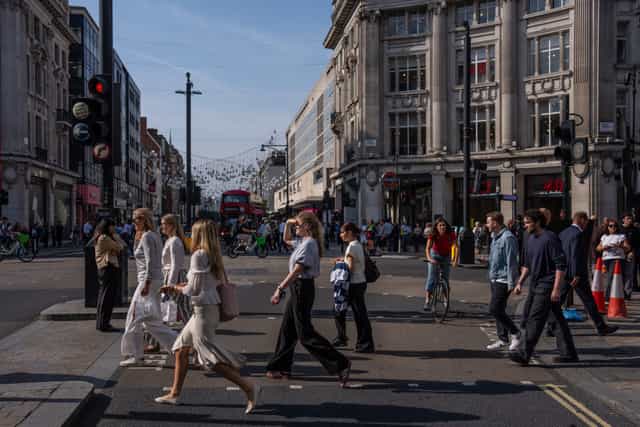
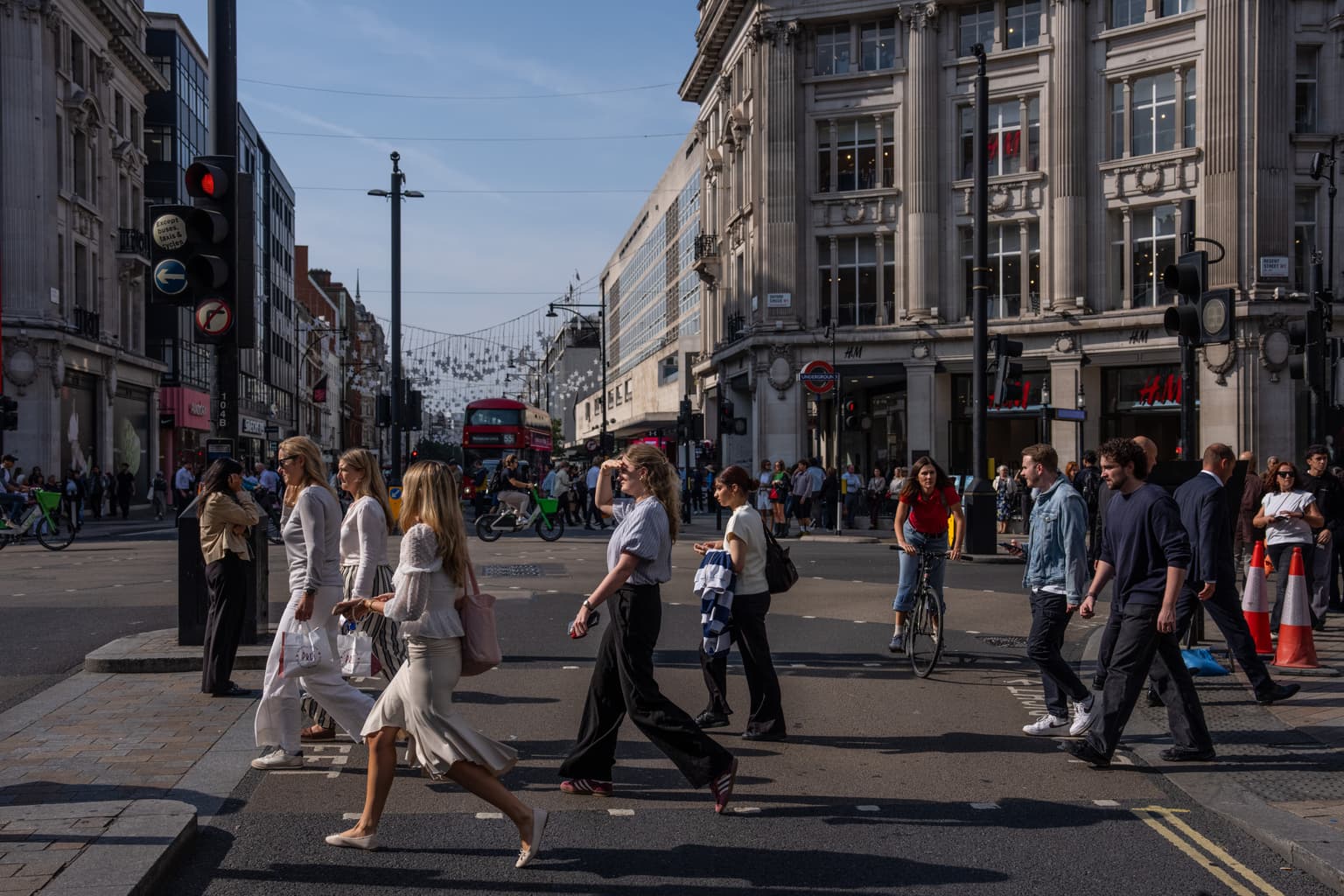
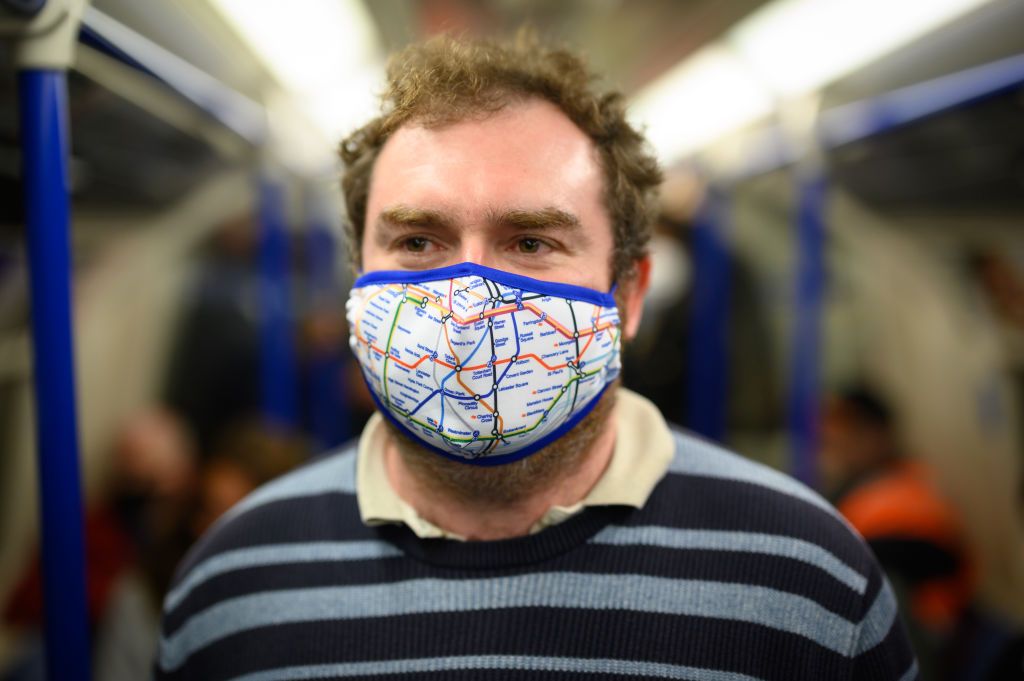 Commuting is a big worry for many/Via Getty[/caption]
Surely, as far as safety goes, working from home is the best option for avoiding Covid?
You'll get no arguments from SAGE, they've found that WFH is one of the most effective ways to reduce social exposure to the virus for obvious reasons. It limits face-to-face contact with both colleagues and the general public when you're faceplanted into someone's armpit on the tube like the pandemic never happened.
Commuting is a big worry for many/Via Getty[/caption]
Surely, as far as safety goes, working from home is the best option for avoiding Covid?
You'll get no arguments from SAGE, they've found that WFH is one of the most effective ways to reduce social exposure to the virus for obvious reasons. It limits face-to-face contact with both colleagues and the general public when you're faceplanted into someone's armpit on the tube like the pandemic never happened.
As such, Sage says WFH has a "strong impact" against virus transmission and the R number, which represents a disease's ability to spread.
People are naturally concerned about commuting again, regardless of the mask mandate. "If you're close enough to smell someone's garlic breath on public transport," Dr Julian Tang, a clinical virologist at the University of Leicester, told the BBC, "then you're also potentially inhaling any virus that's carried with it." Via Unsplash[/caption]
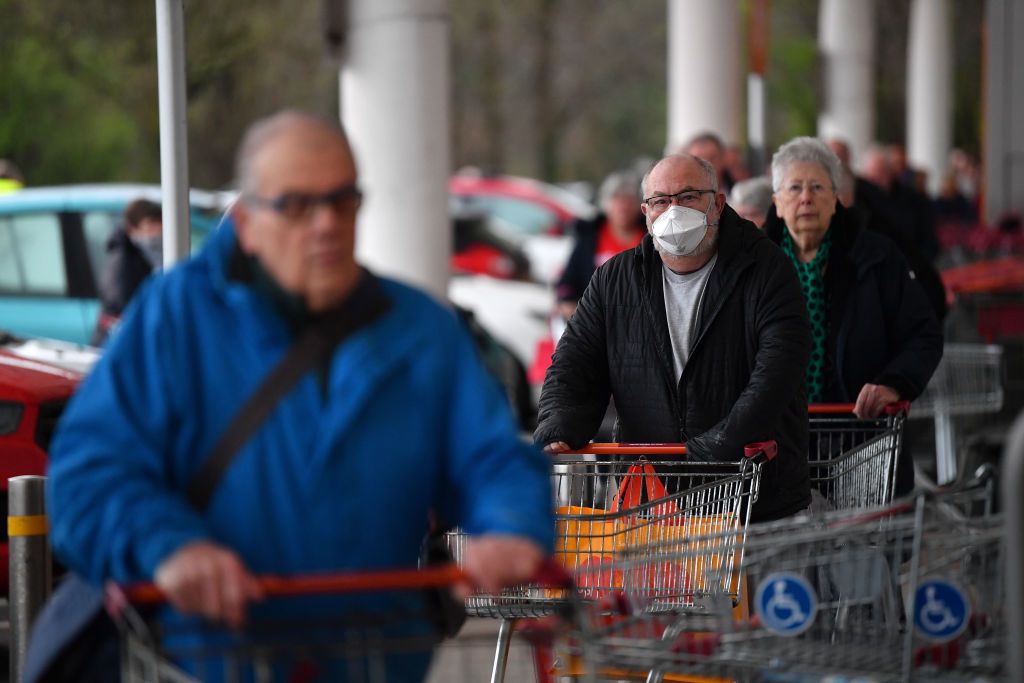 Sainsbury's are still requiring masks/Via Getty[/caption]
When WFH was abolished for a brief moment in 2021, employers across the UK were faced with moral conundrums, but very often, legal ones too. Everything from long covid to mental health issues was cited as reasons for an alternative work arrangement, and now we are back in that same position.
Last year, as the nation approached "freedom day", vulnerable people dreaded the restrictions being lifted.
"It feels like the Hunger Games and we just have to endure it," Brogan Taylor, who is immunocompromised, told Huffpo at the time. "There's a large group of immunocompromised people like me for whom the vaccine isn't as effective and no one seems to be taking action or considering us. I feel disposable."
The issue is undoubtedly complicated by officials flip-flopping on key issues and offering contradictory advice.
While mandated mask-wearing is due to be abolished on Thursday, Sadiq Khan stated it would still be required on London's tubes. Similarly, Sainsbury's announced masks would still be needed in their aisles, and Health Secretary Sajid Javid has admitted he will still wear a mask.
Sainsbury's are still requiring masks/Via Getty[/caption]
When WFH was abolished for a brief moment in 2021, employers across the UK were faced with moral conundrums, but very often, legal ones too. Everything from long covid to mental health issues was cited as reasons for an alternative work arrangement, and now we are back in that same position.
Last year, as the nation approached "freedom day", vulnerable people dreaded the restrictions being lifted.
"It feels like the Hunger Games and we just have to endure it," Brogan Taylor, who is immunocompromised, told Huffpo at the time. "There's a large group of immunocompromised people like me for whom the vaccine isn't as effective and no one seems to be taking action or considering us. I feel disposable."
The issue is undoubtedly complicated by officials flip-flopping on key issues and offering contradictory advice.
While mandated mask-wearing is due to be abolished on Thursday, Sadiq Khan stated it would still be required on London's tubes. Similarly, Sainsbury's announced masks would still be needed in their aisles, and Health Secretary Sajid Javid has admitted he will still wear a mask.
Explore more on these topics:
Politics
Politics
Politics
Politics
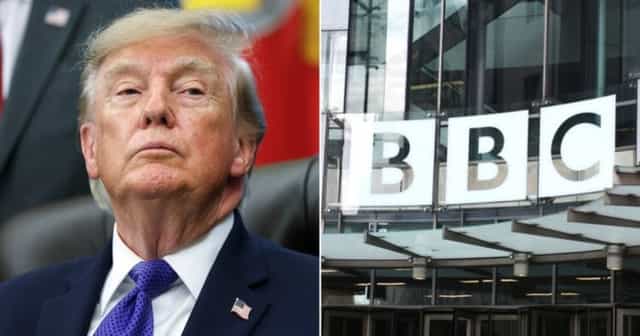
The BBC has given the world a masterclass in standing up to Trump’s bullying
Trump threatened the BBC with a $10 billion lawsuit. Now Trump is having to be ‘dragged kicking and screaming’ to testify. The BBC has seemingly called Donald Trump’s bluff in his defamation lawsuit against the broadcaster, as the president has backed out of a deposition. As part of the US president’s ludicrous $10bn claim against […]
Politics
2 days ago
Chernobyl repairs get £17m UK funding after drone strike
Britain vows continued support for Ukraine during Zelensky’s A damaged nuclear site in Ukraine is to receive £17 million in British funding to help prevent lasting safety problems, as the UK reaffirmed its support for Kyiv during a visit by President Volodymyr Zelenskyy. The money will be used to fix Chernobyl’s protective shelter and ventilation […]
Politics
3 days ago
Politics
Politics