

News

Share
Published 08:27 5 Jan 2026 GMT
Updated 08:27 5 Jan 2026 GMT
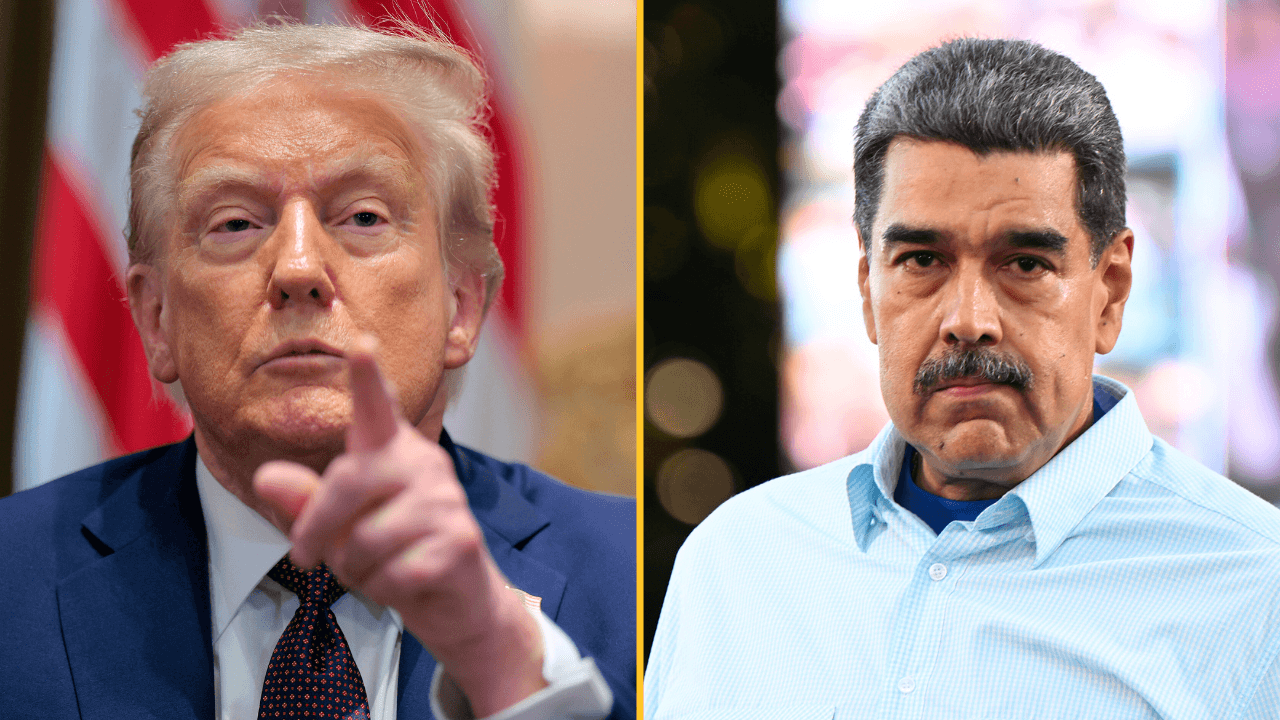
A new Venezuelan leader is to be sworn in after the capturing and removal of Nicolás Maduro by US forces.
Delcy Rodríguez is now Venezuela's acting president, being the vice-president at the time of Maduro's exit.
She is a Maduro loyalist and also served under previous president Hugo Chávez.
Despite the US sanctioning Rodríguez as the next president, she has already demanded Maduro's release, describing him as the "only president".
However, Trump said on Saturday that US Secretary of State Marco Rubio had been talking to Rodríguez, who had expressed her willingness to do "whatever the US asks".
This contradicted comments by Rodríguez which claimed Venezuela would refuse to become "a colony of an empire".
In her first cabinet meeting on Sunday, she said: "We invite the US government to collaborate with us on an agenda of co-operation orientated towards shared development within the framework of international law."
Trump has since sent a warning to Rodríguez saying she could "pay a very big price, probably bigger than Maduro" if she "doesn't do what's right".
Why did Donald Trump attack Venezuela and what will happen next?
We are only a matter of days into 2026 and things really have picked back up from where we left off in 2025.
While tensions have been on the rise for months now between the United States and Venezuela, it wasn't until the early hours of this morning that Donald Trump decided to take decisive action.
The cause behind the world's supposed most powerful nation attacking a small South American country? - Complex and with a multitude of geopolitical and economic reasons.
Here's everything we know about this previously simmering and now overflowing conflict.
Relations between the US and Venezuela have not been good for a long time now.
In 1998 socialist leader Hugo Chávez was elected as president and started to nationalise industry and oppose US influence in Latin America.
As we know, historically the US do not like any politics slightly left of right and naturally became wary and cold towards Venezuela.
Of course, the Americans have precedent, notably in the Cold War where they influenced politics in a number of emerging socialist Latin American nations such as Cuba, Chile, Nicaragua, El Salvador, etc.
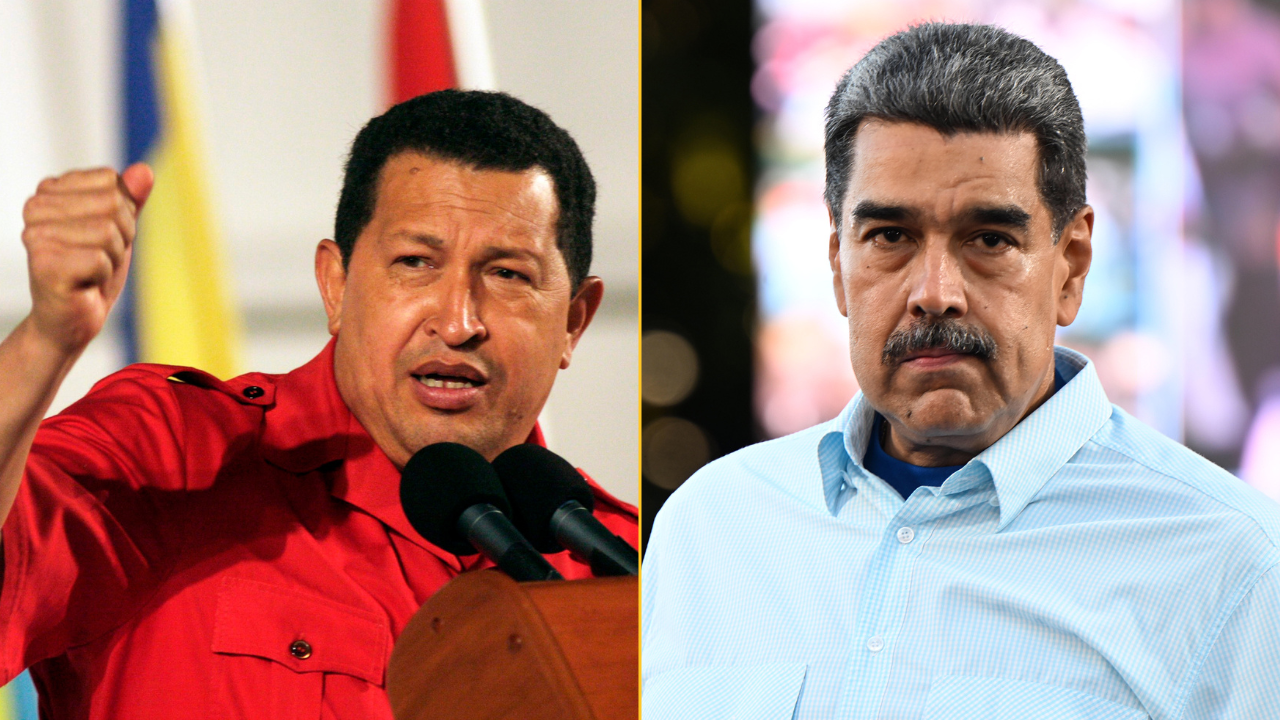
However, things worsened in 2002 following a failed coup attempt which Chávez claimed the US had supported.
Chavez would die in 2013 with President (potentially until this morning) Nicolás Maduro taking over power.
Maduro is also a socialist leader, but also employed authoritarianism, election manipulation, and human rights abuses, leading to the US imposing sanctions on the nation in 2014.
Relations would worsen further in 2019 when the US recognised opposition leader Juan Guaidó as Venezuela’s interim president.
This was followed by sanctions, notably on Venezuela's large oil industry - we'll be coming back to that magic three letter word.
Now, these tensions were all pretty much based on tit for tat diplomacy until the arrival of FIFA Peace Prize winner Donald Trump!
Trump started taking direct action against Venezuela in the name of 'the war on drugs' - because all definitely worthy causes for attack/invasion need a 'war on' something.
This led to Trump ordering the US military to carry out attacks on small trafficking boats bringing drugs to the US.
However, this was done in a no forgiveness style which has led to around 110 people dead, as per the BBC.
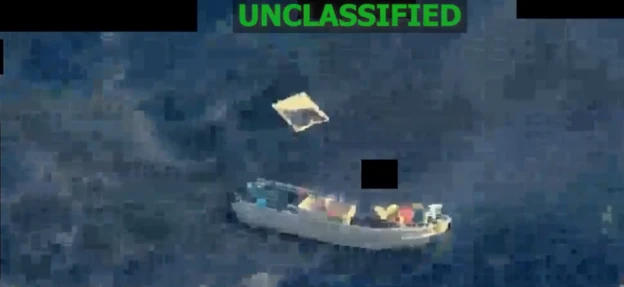
Many of these attacks have also been carried out in international waters.
Trump also believes that Maduro is at the head of such operations, claiming him to be linked with the Cartel of the Suns, a group designated as a terrorist organisation by the US.
While Trump has labelled drug trafficking as reasons for righteous hostility, many have pointed out that the vast majority of drugs entering the US still come through Mexico, and not on small boats from Venezuela, while are mostly produced in Colombia.
Trump has also used this hostility to partially ban migration and travel from Venezuela to the US.
While there may be some truth in the war on drugs and migration, one factor looms large over the heads of those backing military action in Venezuela, and its shadow stretches back decades - oil.
Many have been quick to point out that, quite astonishingly, Venezuela has the largest oil reserves in the world, even more than Saudi Arabia and the other Gulf states.
The US has already blockaded oil tankers around Venezuela and it is highly likely to be a motivation behind trying to depose Maduro.
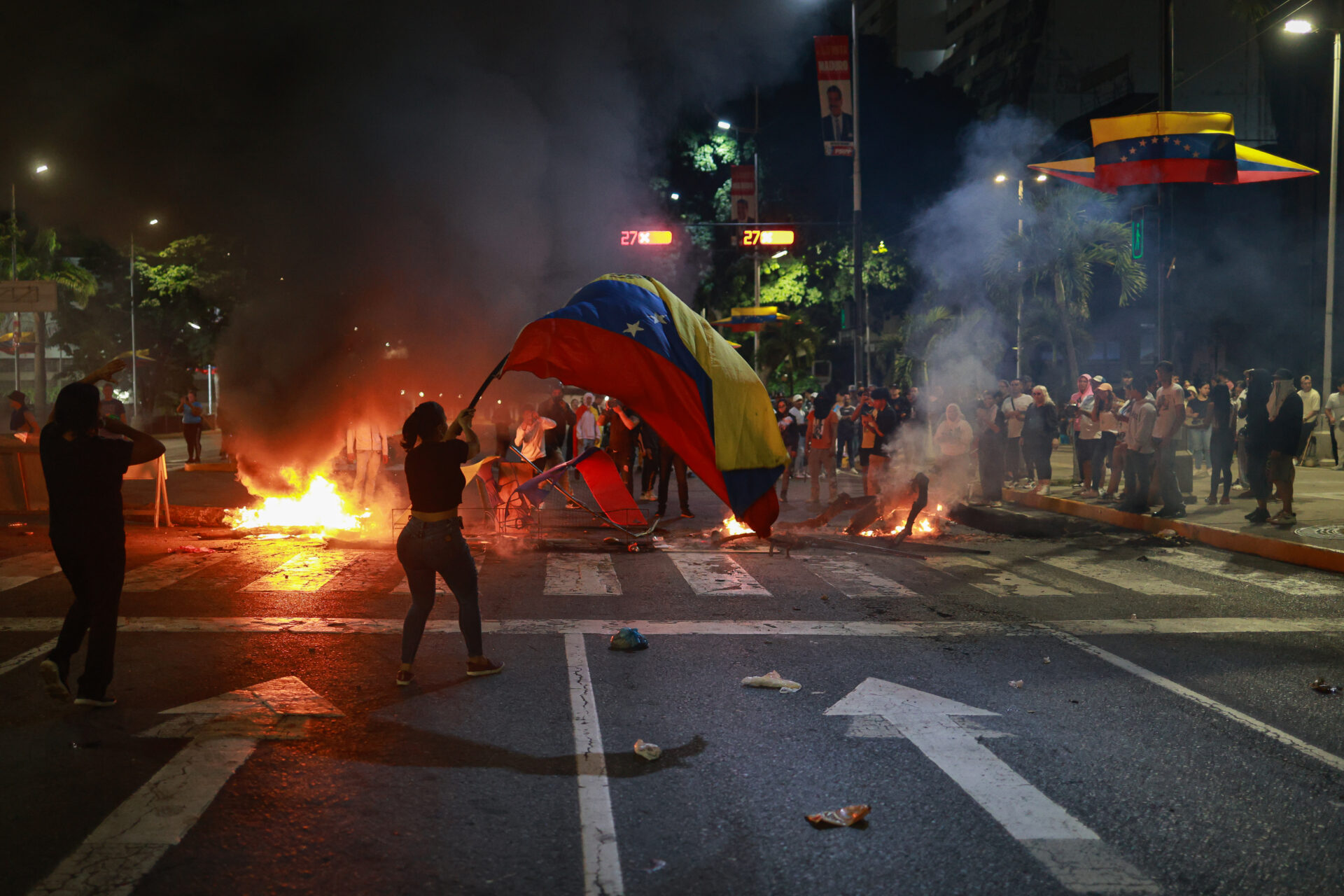
Venezuela has been mistreated and abused by government mishandling, corruption and international sanctions.
A nation with more oil reserves than Saudi Arabia should be one of the richest in the world, but it isn't.
It is likely, whether to the benefit or not of the Venezuelan people, that Trump will look to broker a deal with a new regime in which America will be able to profit off these oil reserves - although this remains purely speculation.
Explore more on these topics:
News
News
News
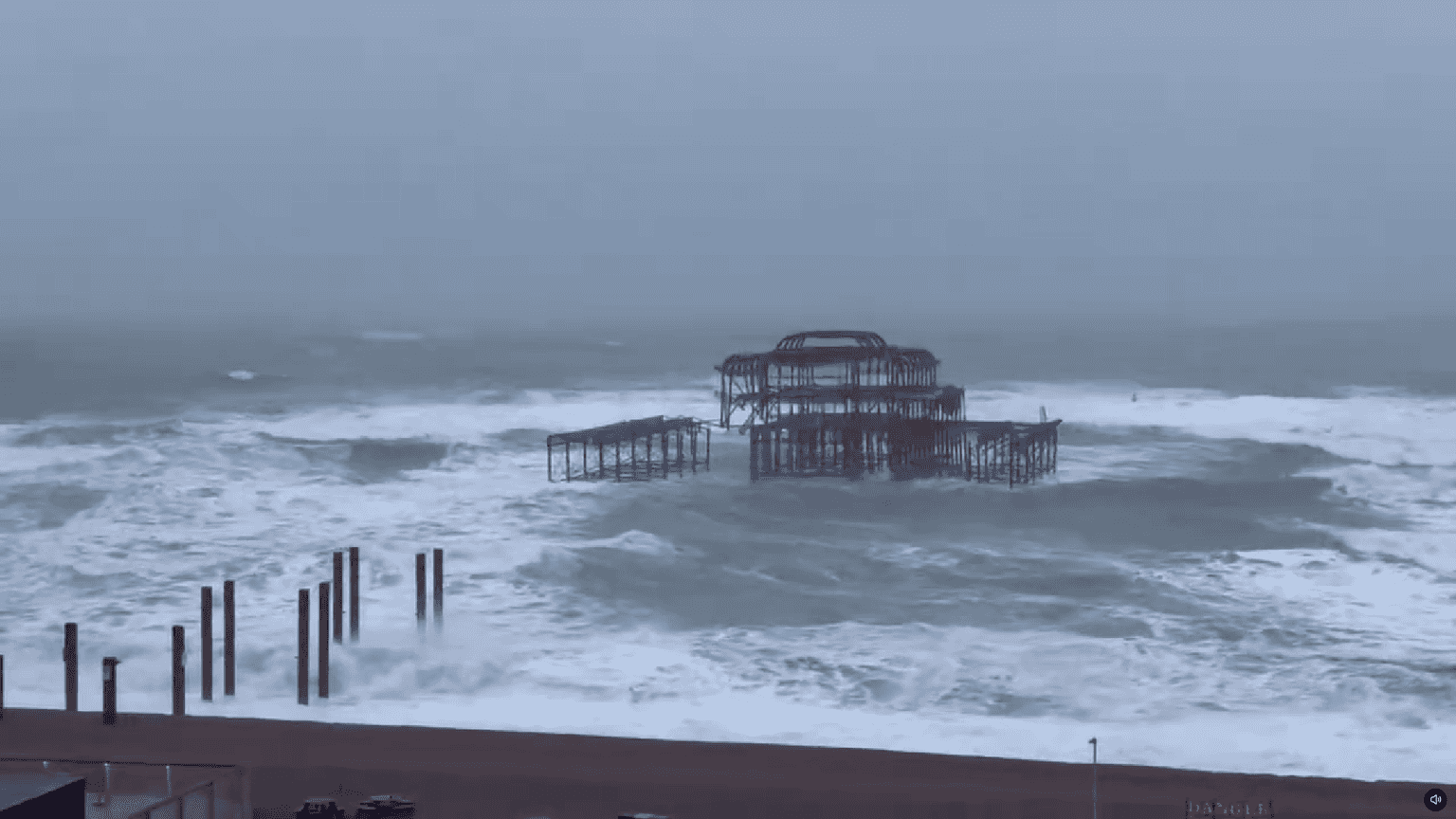
Historic pier partially collapses into sea as Storm Austen batters UK
The first named storm of the season has lived up to expectations A historic pier has collapsed into the sea as Storm Austen batters the UK with winds beyond 100mph. Strong wind and heavy rain have caused plenty of chaos across the country, from closed airports and disrupted train services to felled trees and even […]
News
1 day ago
Vincent Kompany taken to hospital after collapsing at Bayern Munich training ground
He collapsed while watching the second team train Bayern Munich manager Vincent Kompany has been rushed to hospital after collapsing at the club’s training ground on Friday. The former Man City centre-back had been battling a virus, subsequently missing a news conference on Tuesday ahead of the German club’s show down with Arsenal. A club […]
News
1 day ago
News
Rheinmetall’s new Telford factory brings tank barrel production back to the UK
News