









News

Share
Published 15:29 19 Mar 2026 GMT
Updated 15:29 19 Mar 2026 GMT
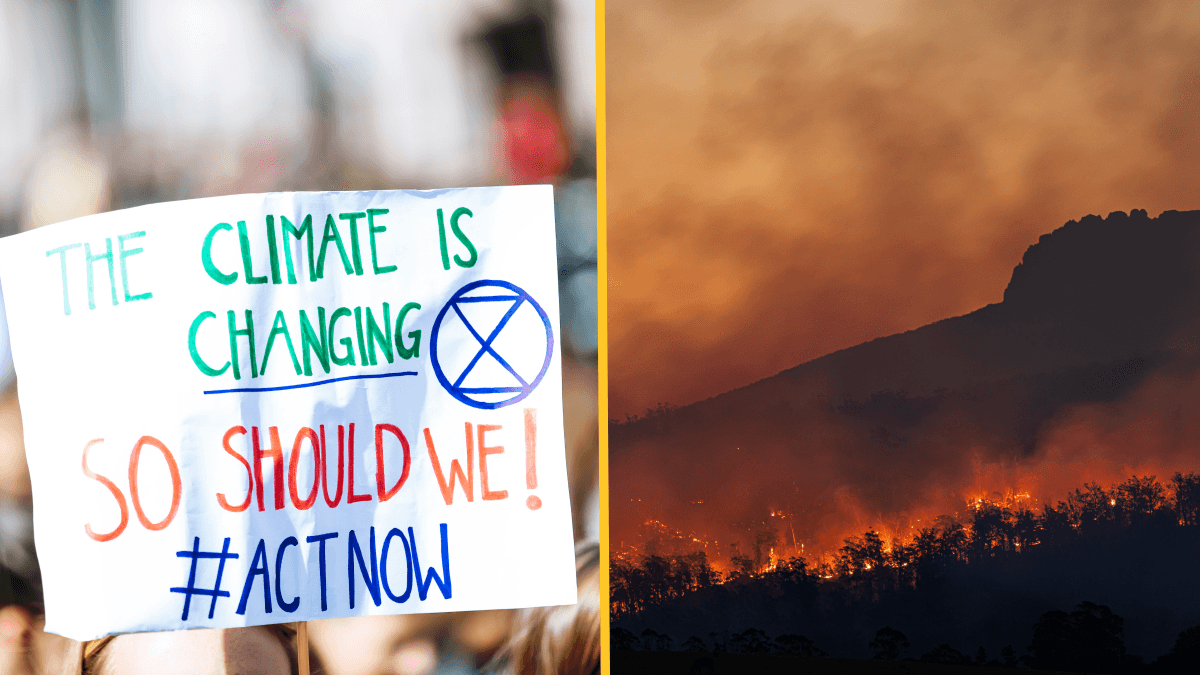
A new study has shown that by 2050, climate change could lead to hundreds of thousands of premature deaths.
By examining World Health Organization (WHO) data from 2000 to 2022, a research team from the Catholic University of Argentina looked at how rising temperatures impact physical activity.
The findings were published in The Lancet Global Health and are part of a growing body of work on the less obvious impacts of global warming.
Researchers predicted that physical inactivity will decrease by 1.4%, for every additional month with average temperatures above 27.8°C.
This will drop by 1.85% in low and middle-income countries, as by 2050 hot spot countries close to the Equator could show inactivity of 4%.
As high temperatures mean they’re less active, the bad news is that between 470,000 and 700,000 people worldwide could die within the next 24 years.
And the research’s figures are an understatement, according to Jim NR Dale, founder of the British Weather Services and extreme weather writer.
Dale, who was not involved in the research, told Metro that “I think the number could actually be quite a lot higher, depending on the speed of climate change and the temperature profile from country to country”.
Without greater action, the world is on track to warm by between 2.7 and 3.1°C by 2100.
While Dale admits that this might not sound like a lot, he adds that “neither does a drop of arsenic in your coffee, but it will kill you”.
Meanwhile, climate change campaigner and author, Matthew Todd, says that “scientists also warn 2027 may break 2024’s record to become the hottest year ever recorded by humanity”.
“We too have just endured months of rain – we know UK winters are getting wetter – so climate change is not just affecting our physical health, it’s also affecting our mental health. This is not a future problem. It’s happening now, and it’s speeding up.”
In 2023, a group of experts convened by the UN, the Intergovernmental Panel on Climate Change, warned that within the next few years, our planet is likely to cross a critical threshold for global warming.
Explore more on these topics:

News

News

News

News
Piers Morgan urges Trump to side with Ukraine against ‘modern-day Hitler’ Putin
‘Give this guy the support he needs to defeat the modern-day Hitler.’ Piers Morgan has urged Donald Trump to side with Ukraine and Volodymyr Zelensky in their war against Russia. There have been strained tensions this week between Ukraine and the US as Trump has cosied up to Vladimir Putin with diesel deals and sham […]
News
1 day ago
Execution of mass killer will not be livestreamed, Trump says
The US president has done a U-turn The execution of a Nidal Malik Hasan will no longer be livestreamed, US President Donald Trump has said. Last week, it was announced that the execution of Hasan, the man behind the Fort Hood shooting, would be livestreamed. The shooting, which happened in Texas in 2009, killed 13 […]
News
1 day ago
Royal Mail ‘on brink of collapse’ as 400 workers reportedly quit every week
News