








News

Share
Published 12:29 19 Mar 2026 GMT
Updated 12:29 19 Mar 2026 GMT
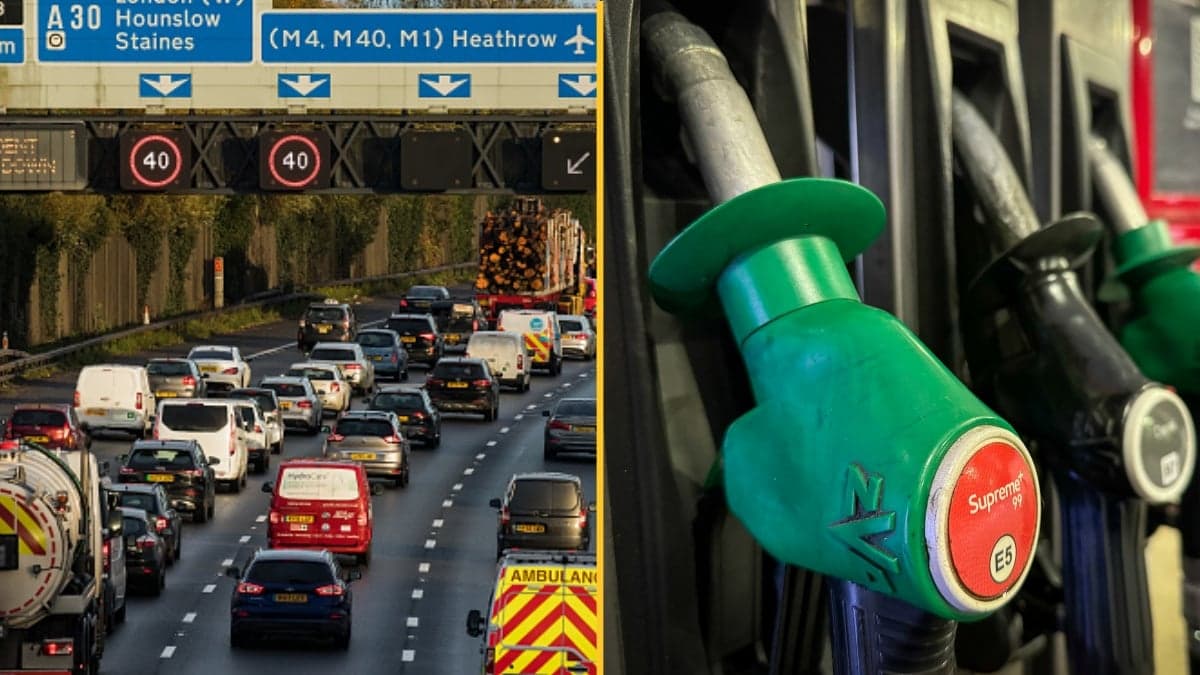
The UK government has insisted that there is currently no prospect of shortages, while existing plans allow for extreme measures to be taken if petrol stocks run low.
The plans allow for lower speed limits and petrol rationing to be imposed to cope with any fuel shortage, while the measures would also potentially see fuel prioritised for the emergency services, as measures that could help supplies running out.
The plans have been put into sharp focus due to the Iran war, however they have been in place since 2022.
In the UK, the costs of petrol, diesel and heating oil have already gone through the roof thanks to the blockade on the Strait of Hormuz and attacks on oil refineries.
And if the conflict in the Middle East drags on, the government could be forced to ration energy, a top expert this warned this week.
Ex-head of strategy at BP and a former advisor to Labour PM Gordon Brown, Nick Butler, warned that “there will be a real, physical shortage of supply in a few weeks’ time.”
“How long that goes on we don’t know, but I think the government here must now be preparing for a significant shortfall of supply over the next two months.”
“I think it does mean a form of rationing. I think we learnt from the tanker drivers dispute in 2000 that oil and gas supplies are absolutely crucial to the running of the economy and you can’t bring on new supplies quickly.”
Reportedly, the National Emergency Plan for Fuel, which is available on the gov.uk website, includes limiting speeds to 50mph on all roads.
However, the plans exist but they were there only for emergencies, the government has said, while adding that said petrol stations in the UK were well-stocked.
Last year, around 90% of the crude oil refined in the UK was imported and only around 1% of that imported crude came from the Middle East, a spokesperson pointed out.
The AA and others have been keen to stress that drivers should fill up as normal, as most is sourced from countries such as the United States, and Norway, supplemented by smaller volumes from other producers.
The RAC, meanwhile, has revealed how pump prices continue to rise, as unleaded has risen to an average of 142.62p, while diesel up to 162.66p a litre.
Explore more on these topics:

News

News
News

RNLI station forced to close due to anti-migrant protestors
Protestors have managed to get a lifeboat station closed. The work of true patriots… The RNLI has been forced to close its Portsmouth lifeboat station as a result of huge anti-migrant protests in the city. Volunteers at the station have been branded “traitors”, had their home addresses shared online and even suffered physical abuse in […]
News
18h
How is it possible for a borough to raise council tax by 94% and could more councils follow?
It used to have one of the lowest council tax rates From next year, a London borough has announced plans for a record increase in council tax. While a final decision won’t be made until early 2027, the plans by Wandsworth Council were announced the plans at a meeting on Tuesday. As per The Times, […]
News
19h
News
Leeds United goal appeal lodged over Calvert-Lewin Newcastle strike
News