




News

Share
Published 17:31 10 Jun 2021 BST
Updated 17:49 10 Jun 2021 BST

 Via Getty/@Mario Tama[/caption]
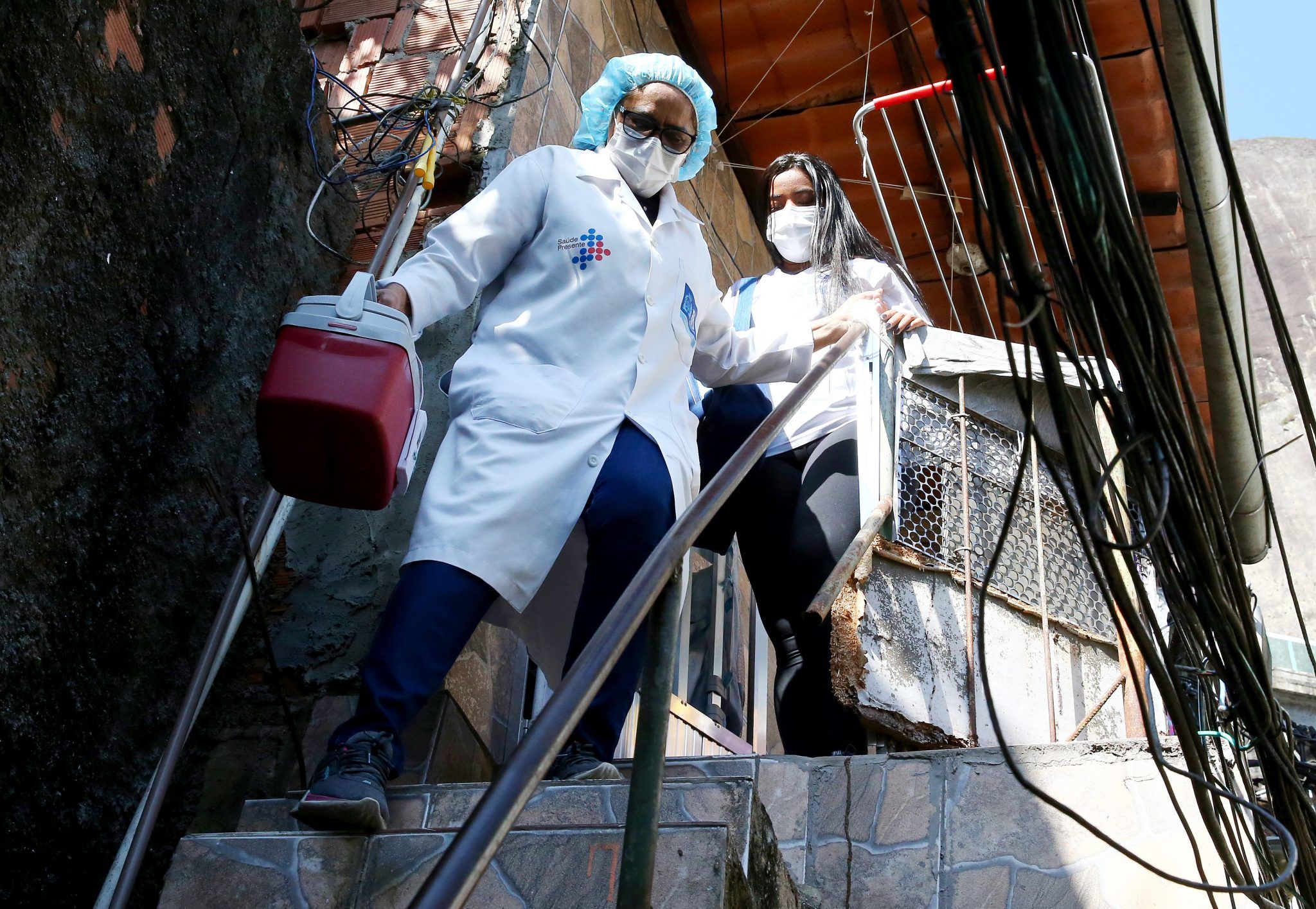
The Butantan Institute located in São Paulo conducted the study alongside Chinese manufacturer Sinovac. Despite nearby areas struggling to contain the virus, Seranna has remained untouched and is experiencing a drop in deaths.
"Serrana became one big laboratory," said Dimas Cova, the director of the Butantan Institute.
"This should serve as an example for the rest of the world," he said, adding that he hoped the study would help policymakers in other countries understand how many people they need to vaccinate to control the pandemic"
The study's results show that symptomatic cases fell 80%, and hospitalisations fell a further 86%.
"It goes to prove that the only way to conquer the pandemic is with vaccines," said João Doria, the state governor of São Paulo. President Jair Bolsonaro has made it clear he will not be taking the vaccine and has also pushed for non-proven cures in replacement. Numerous protests have been held against Bolsonaro, with many stating he is essentially responsible for genocide.
[caption id="attachment_275939" align="alignnone" width="2048"]
Via Getty/@Mario Tama[/caption]
The Butantan Institute located in São Paulo conducted the study alongside Chinese manufacturer Sinovac. Despite nearby areas struggling to contain the virus, Seranna has remained untouched and is experiencing a drop in deaths.
"Serrana became one big laboratory," said Dimas Cova, the director of the Butantan Institute.
"This should serve as an example for the rest of the world," he said, adding that he hoped the study would help policymakers in other countries understand how many people they need to vaccinate to control the pandemic"
The study's results show that symptomatic cases fell 80%, and hospitalisations fell a further 86%.
"It goes to prove that the only way to conquer the pandemic is with vaccines," said João Doria, the state governor of São Paulo. President Jair Bolsonaro has made it clear he will not be taking the vaccine and has also pushed for non-proven cures in replacement. Numerous protests have been held against Bolsonaro, with many stating he is essentially responsible for genocide.
[caption id="attachment_275939" align="alignnone" width="2048"]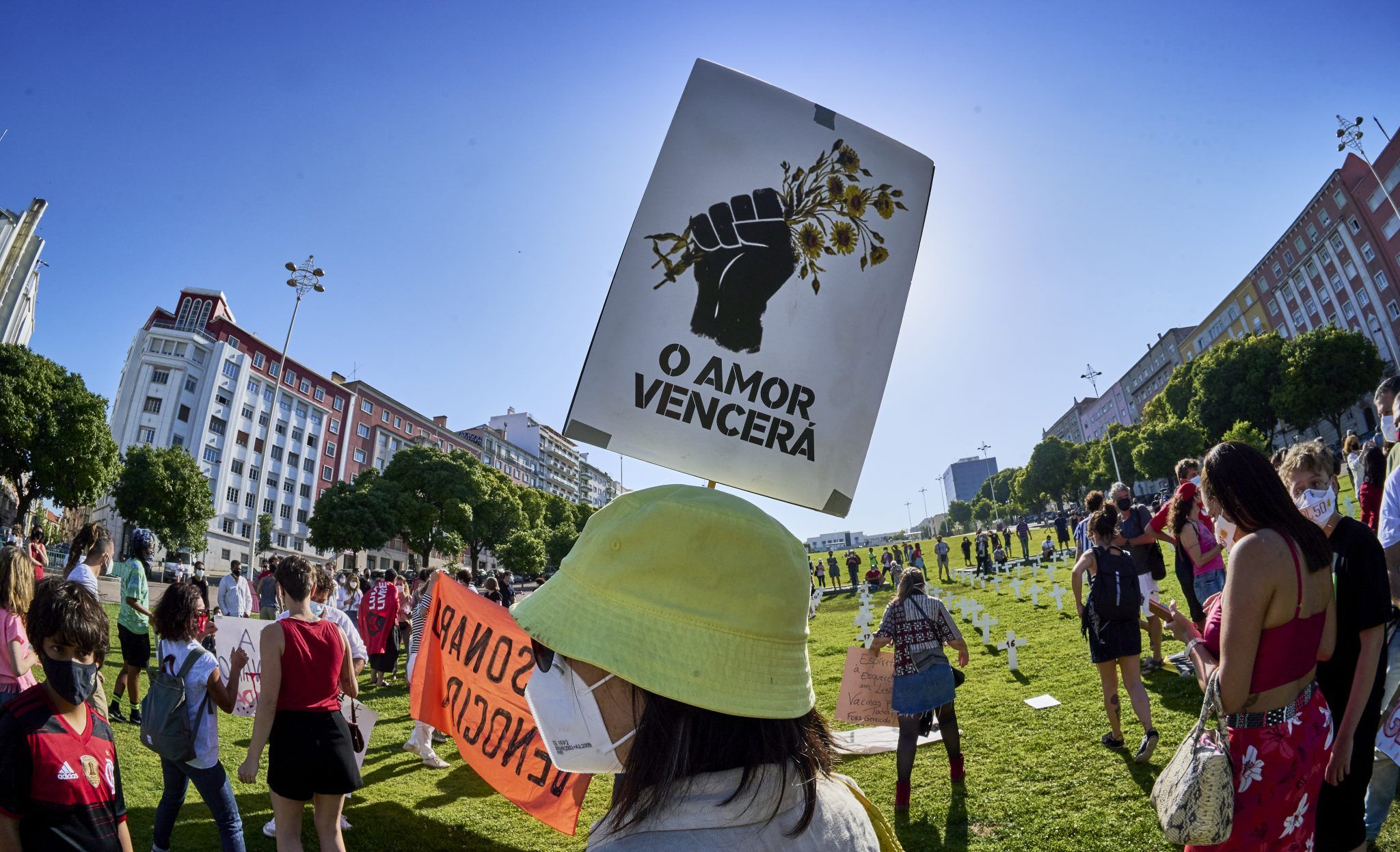 Via Getty/@Horacio Villalobos[/caption]
João Doria is the driving force behind much of Brazil's vaccination effort since Bolsonaro has made it very clear his stance on the pandemic. Despite the virus killing just under half a million people in Brazil, the President is unwavering in his belief that lockdowns and exhaustive precautions have plummeted their economy.
Much of Latin America is equipped to fight the virus with the Sinovac vaccine. Though only 10% of Brazil are currently vaccinated, the success in Seranna will hopefully push forward their plans.
Via Getty/@Horacio Villalobos[/caption]
João Doria is the driving force behind much of Brazil's vaccination effort since Bolsonaro has made it very clear his stance on the pandemic. Despite the virus killing just under half a million people in Brazil, the President is unwavering in his belief that lockdowns and exhaustive precautions have plummeted their economy.
Much of Latin America is equipped to fight the virus with the Sinovac vaccine. Though only 10% of Brazil are currently vaccinated, the success in Seranna will hopefully push forward their plans.
News

News
News
News
How ready is the UK for conflict as all government departments told to update ‘war book’?
The UK is working on new plans in the event of a military attack For the first time in decades, all UK government departments are required to plan for how they might respond to a conflict. According to the latest reports, this will happen through a move to update something called the war book. In […]
News
6h
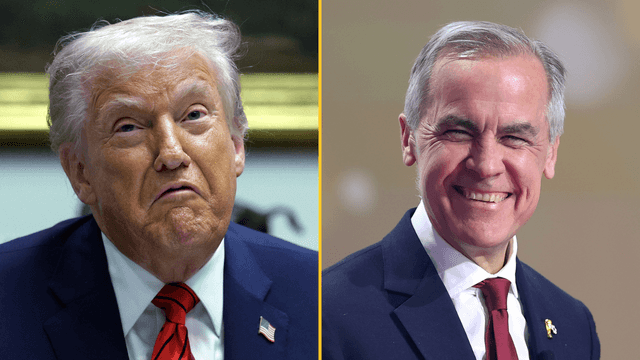
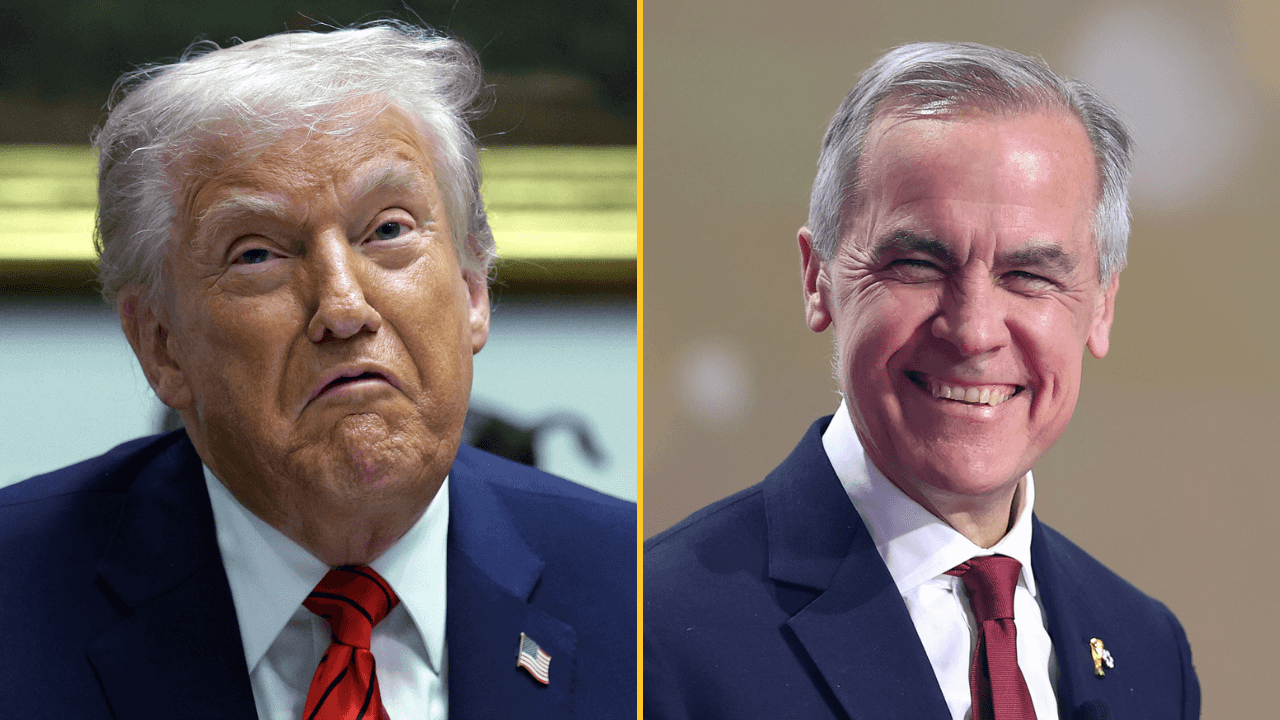
Watch: Mark Carney mocks Donald Trump with hand gesture
‘Accordion hands’ rarely looked more accurate Canadian Prime Minister Mark Carney appeared to mock US President Donald Trump during a speech. During a Liberal caucus address, among other things Carney promised to push legislation on social media safety. He said that Canada can lead the world in digital safeguards, including on AI. Meanwhile, he also […]
News
8h
News
MI5 accepts it gave evidence based on lies to three courts
News