









News

Share
Published 16:35 25 Nov 2025 GMT
Updated 16:35 25 Nov 2025 GMT
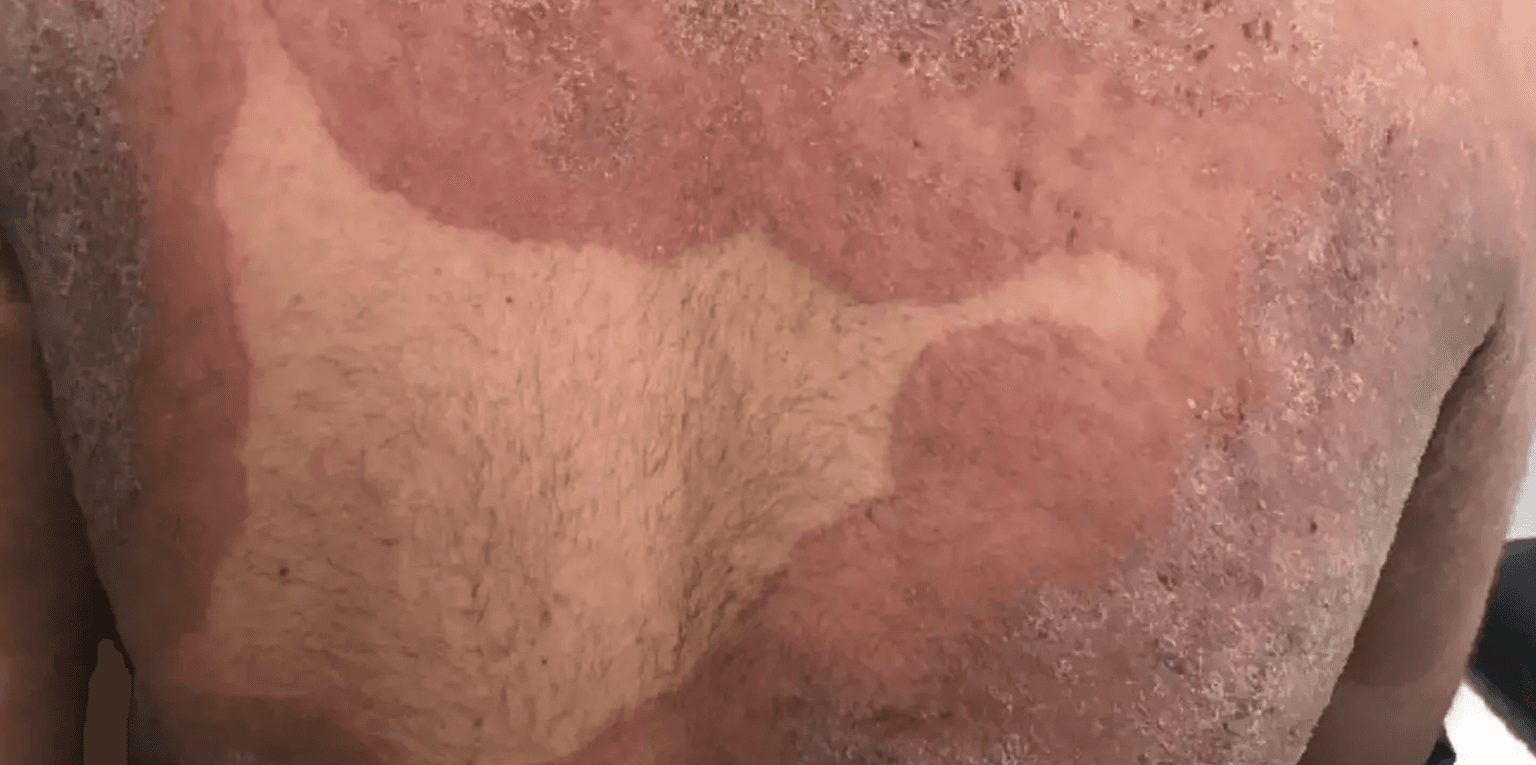
The ‘super fungus’ that is reported to be quickly spreading across the UK, mostly attacks the groin, thighs and bum area.
And to make things more alarming, an expert has said that it is becoming a really big problem in the country.
Trichophyton (T.) indotineae is a ‘newly identified dermatophyte species’ that is found in a near-epidemic form on the Indian subcontinent, according to studies.
Infection cases are now on the rise, as it is reported to have increased by a staggering 500 percent in the last three years. Until a few years ago, infections in the UK were pretty much unheard of.
T. indoctineae accounts for 38 percent of dermatophyte isolates referred to the UK National Mycology Reference Laboratory, while it has been reported that many isolates in vitro are resistant to terbinafine, and most infections are clinically resistant to this medicine which is available on the NHS for fungal skin infections treatment.
These infections are reportedly easy to spread, and in studies they’re classed as an endemic across Asia.
However, cases are being reported around the rest of the world too.
The fungus is a type of ringworm and what has made it resistant to standard fungus medicines is the fact that it has mutated over the years.
Patients often need months of treatment in hospital as a result, with a drug known as itraconazole.
What is worrying is that with this particular drug come a number of side effects, including risks for heart problems or liver damage.
Patients suffering from this infection can notice ‘angry’ and ‘formidable’ red itchy rashes in areas such as the groin, buttocks and thighs.
But it doesn’t stop there. It moves to other parts of the body, including the face, if left without treatment, and can become rather painful.
More worrying, however, is the warning that this infection can leave those who suffer from it with permanent scars, according to experts.
“And it is very socially limiting. Some people won’t feel like they can leave the house or go to work. They can become social pariahs”, according to infectious diseases expert at the University of Manchester, Dr David Denning, as quoted by The Sun.
And professor Darius Armstrong-James added that “the growing frequency of new cases coming into hospitals is very concerning.”
According to data presented at a conference in Poland, infections in the UK and Ireland have grown from 44 before 2022 to 258 as of March 2025, and that it won’t be long until it seeps into the wider population, as most cases are currently reported in people with heritage from South Asia.
And it will not stop in the UK, as this will become a big issue across the world, according to experts.
Featured image credit: MDPI
Explore more on these topics:

News

News

News

RNLI station forced to close due to anti-migrant protestors
Protestors have managed to get a lifeboat station closed. The work of true patriots… The RNLI has been forced to close its Portsmouth lifeboat station as a result of huge anti-migrant protests in the city. Volunteers at the station have been branded “traitors”, had their home addresses shared online and even suffered physical abuse in […]
News
19h
How is it possible for a borough to raise council tax by 94% and could more councils follow?
It used to have one of the lowest council tax rates From next year, a London borough has announced plans for a record increase in council tax. While a final decision won’t be made until early 2027, the plans by Wandsworth Council were announced the plans at a meeting on Tuesday. As per The Times, […]
News
20h
News
Leeds United goal appeal lodged over Calvert-Lewin Newcastle strike
News