
News

Share
Published 18:16 24 Nov 2025 GMT
Updated 18:16 24 Nov 2025 GMT
Seventy-five per cent of people say they can no longer trust the BBC, as per a poll carried out across our own site.
The BBC is in a difficult position currently, standing on the edge of a watershed moment after the controversy of an “error of judgement” in the editing of a Donald Trump speech during the Capitol riots on 6 January 2021.
This led to the resignation of multiple high-profile individuals at the organisation including Director General Tim Davie.
Meanwhile, the BBC is in critical government talks about its future, specifically the funding model, as its Royal Charter is up for renewal in 2027.
This has led to the corporation trying to convince the government that the licence fee is still worth it.
BBC executives see the licence fee as the only way to provide a “universal” service and content for everyone.
However, the will of the public seems to disagree with this sentiment.
In a poll across JOE's sites, we asked our audience whether they believe they can still trust the BBC.
Over 800 people responded, with a staggering 75% saying 'no'.
This means only one quarter of those asked believe they can still trust the BBC.
This data comes just days after it was revealed by the Public Accounts Committee that the BBC is missing out on £1.1 billion a year in revenue because of people cancelling or evading payment of their TV licence, according to a cross-party group of MPs.
Conservative chair of the Public Accounts Committee, Geoffrey Clifton-Brown, said: “Our report makes clear that the ground is shifting beneath the BBC’s feet – the traditional enforcement method of household visits is seeing fewer and fewer returns at a time of heightened competition for almost every aspect of the BBC’s activities.
“Without a modernised approach focused more on online viewing, the broadcaster will see faith in the licence fee system ebb away.”
A BBC spokesperson said: “The licence fee needs reform. We are actively exploring all options that can make our funding model fairer, more modern and more sustainable, but we’ve been clear that any reform must safeguard the BBC as a universal public broadcaster.
“TV Licensing works hard to collect the licence fee and enforce the law efficiently, fairly and proportionately and we are audited on this each year. The National Audit Office reports that we continue to successfully deliver on these measures.”
News
News
News
News
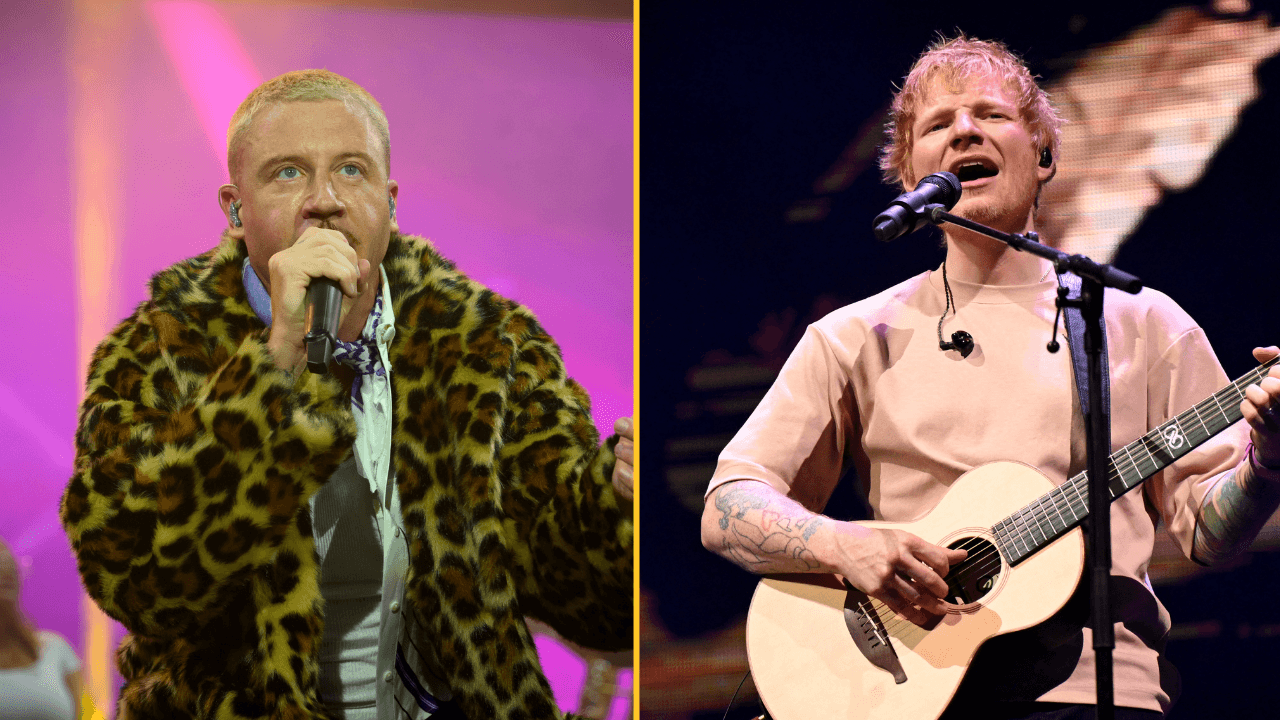
Macklemore dropped from Ed Sheeran tour after onstage ‘Free Palestine’ speech
A statement was released by Sheeran’s tour promoter Macklemore has been dropped from Ed Sheeran’s tour following a ‘Free Palestine’ speech he gave during a gig at the start of the month. As reported by Variety, the American rapper, 43, will not appear for the remainder of Sheeran’s Loop Tour after he made headlines for […]
News
15h
If the Union came to an end, would England be the winners, losers, or both?
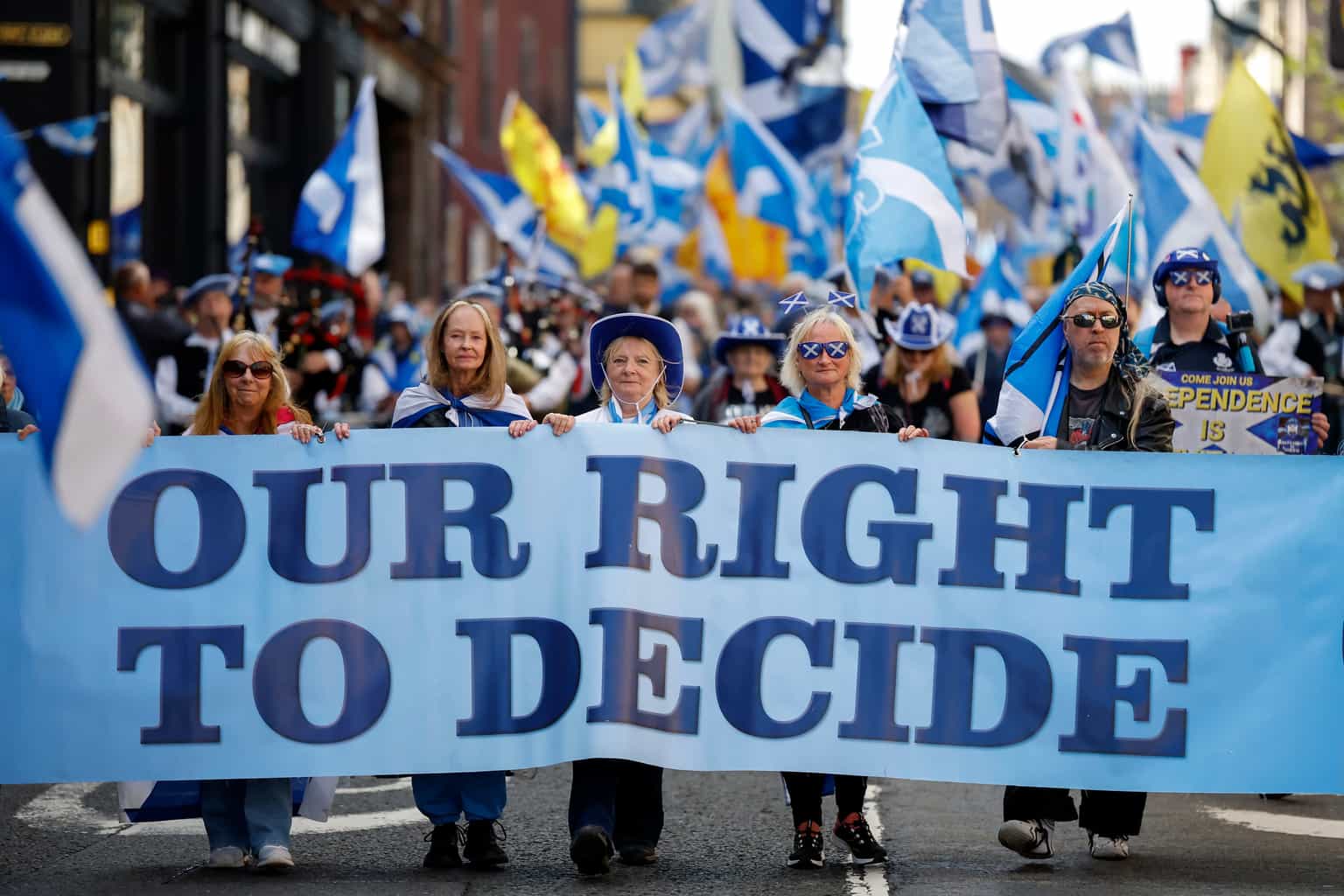
What would be the outcomes from a Union breakup Lots of questions are rising over the ongoing talks between Scotland, Northern Ireland and Wales in a potential break of the United Kingdom as we know it. This comes as leaders from all three countries have signed an agreement of cooperation in Cardiff, on Monday, calling […]
News
16h
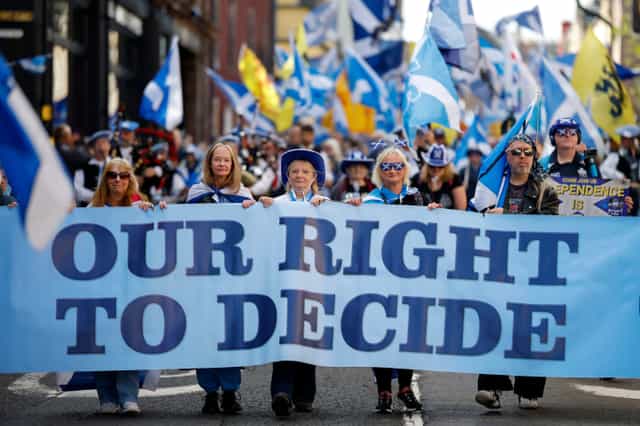
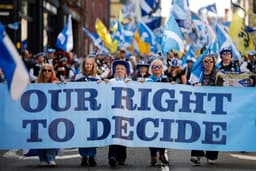
Leaders of devolved nations say ‘Westminster’s time is coming to an end’ as they sign agreement
News