







Sport

Share
Published 13:45 25 Mar 2017 GMT

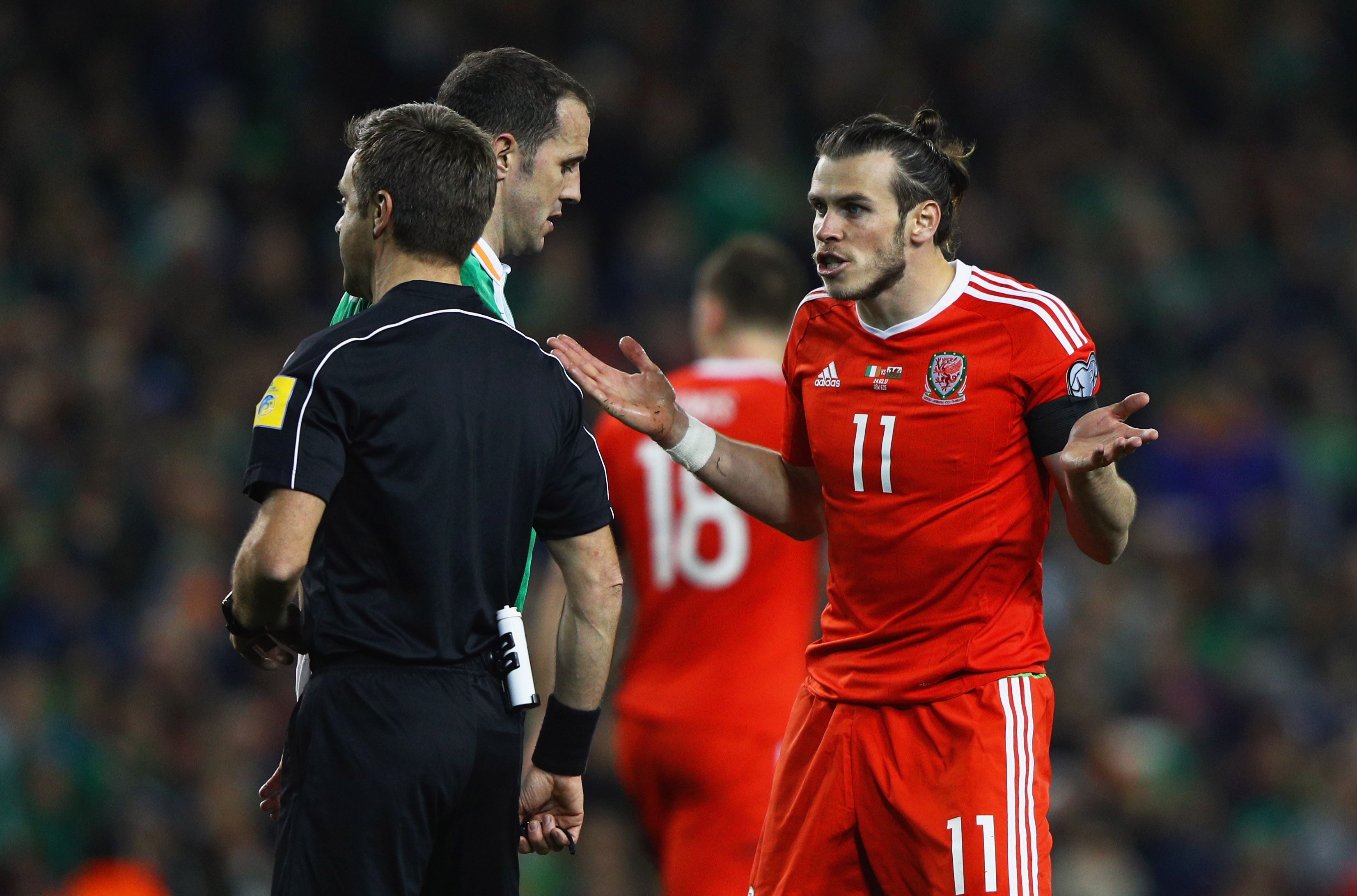 We saw it last night in a nutshell. Mere moments before Coleman had a year of his career taken away, Gareth Bale lunged in for a challenge on John O'Shea which was one planted foot away from ending his professional life.
Bale, clearly too talented a player to warrant scrutiny for such a tackle, received a yellow card. Why not a red? Because he didn't break John O'Shea's leg.
We see this everywhere in the modern game and specifically the blood and guts pantomime drama of the Premier League. Just last weekend we witnessed Coleman's compatriot James McClean sprint with intent towards Alexis Sanchez before planting his studs into the Chilean striker's ankle.
McClean received a yellow card and Sanchez received a compression pack to reduce the swelling. The Hawthorns crowd roared with approval at a job well done.
The Derryman's challenge was not the worst ever seen but it serves a point: players will continue to push the boundaries of acceptability unless referees make it abundantly clear that it's not acceptable.
Did Alexis Sanchez suffer a serious injury? No. Was that due to any considered approach taken by McClean? No, as in most of these situations, it was dumb luck.
We saw it last night in a nutshell. Mere moments before Coleman had a year of his career taken away, Gareth Bale lunged in for a challenge on John O'Shea which was one planted foot away from ending his professional life.
Bale, clearly too talented a player to warrant scrutiny for such a tackle, received a yellow card. Why not a red? Because he didn't break John O'Shea's leg.
We see this everywhere in the modern game and specifically the blood and guts pantomime drama of the Premier League. Just last weekend we witnessed Coleman's compatriot James McClean sprint with intent towards Alexis Sanchez before planting his studs into the Chilean striker's ankle.
McClean received a yellow card and Sanchez received a compression pack to reduce the swelling. The Hawthorns crowd roared with approval at a job well done.
The Derryman's challenge was not the worst ever seen but it serves a point: players will continue to push the boundaries of acceptability unless referees make it abundantly clear that it's not acceptable.
Did Alexis Sanchez suffer a serious injury? No. Was that due to any considered approach taken by McClean? No, as in most of these situations, it was dumb luck.
 No one questions the difficulty involved with being a top-flight referee. The game is getting faster, stronger and more intense every day and their job is harder for it. But officials cannot be allowed to continue refereeing in such a reactive way, especially when it comes to an aspect of the sport over which they have utter control.
Saying that, they are not alone in culpability. Pundits on television, radio and other forms of media are equally guilty. They admonish officials who send off an "overenthusiastic" player and accuse them of neutering the game.
But they're not in charge, and they are not responsible for the well-being of the players.
It may sound like wishful thinking but there is a blueprint for making such changes in football. Younger people may not remember this but there was a time when tackles from behind were permitted and even encouraged by managers of a certain ilk.
For too long authorities absolved themselves of responsibility and the result was broken legs, twisted ligaments and careers ended prematurely.
Eventually, people got sick of it. People got sick of seeing world class players like Marco van Basten hang up their boots at a criminally young age because footballers that weren't that kind of player were allowed to be.
Rules were implemented, red cards were handed out and over time, the practice of tackling from behind was phased out of the game.
Such initiative is now required by modern officials and rule makers to face up to a problem which has been allowed to fester for far too long, one which is all too often robbing footballers of the freedom to play.
If it doesn't happen, no worries. Neil Taylor isn't that kind of player anyway.
No one questions the difficulty involved with being a top-flight referee. The game is getting faster, stronger and more intense every day and their job is harder for it. But officials cannot be allowed to continue refereeing in such a reactive way, especially when it comes to an aspect of the sport over which they have utter control.
Saying that, they are not alone in culpability. Pundits on television, radio and other forms of media are equally guilty. They admonish officials who send off an "overenthusiastic" player and accuse them of neutering the game.
But they're not in charge, and they are not responsible for the well-being of the players.
It may sound like wishful thinking but there is a blueprint for making such changes in football. Younger people may not remember this but there was a time when tackles from behind were permitted and even encouraged by managers of a certain ilk.
For too long authorities absolved themselves of responsibility and the result was broken legs, twisted ligaments and careers ended prematurely.
Eventually, people got sick of it. People got sick of seeing world class players like Marco van Basten hang up their boots at a criminally young age because footballers that weren't that kind of player were allowed to be.
Rules were implemented, red cards were handed out and over time, the practice of tackling from behind was phased out of the game.
Such initiative is now required by modern officials and rule makers to face up to a problem which has been allowed to fester for far too long, one which is all too often robbing footballers of the freedom to play.
If it doesn't happen, no worries. Neil Taylor isn't that kind of player anyway.Explore more on these topics:
Sport
Sport

Sport

Sport
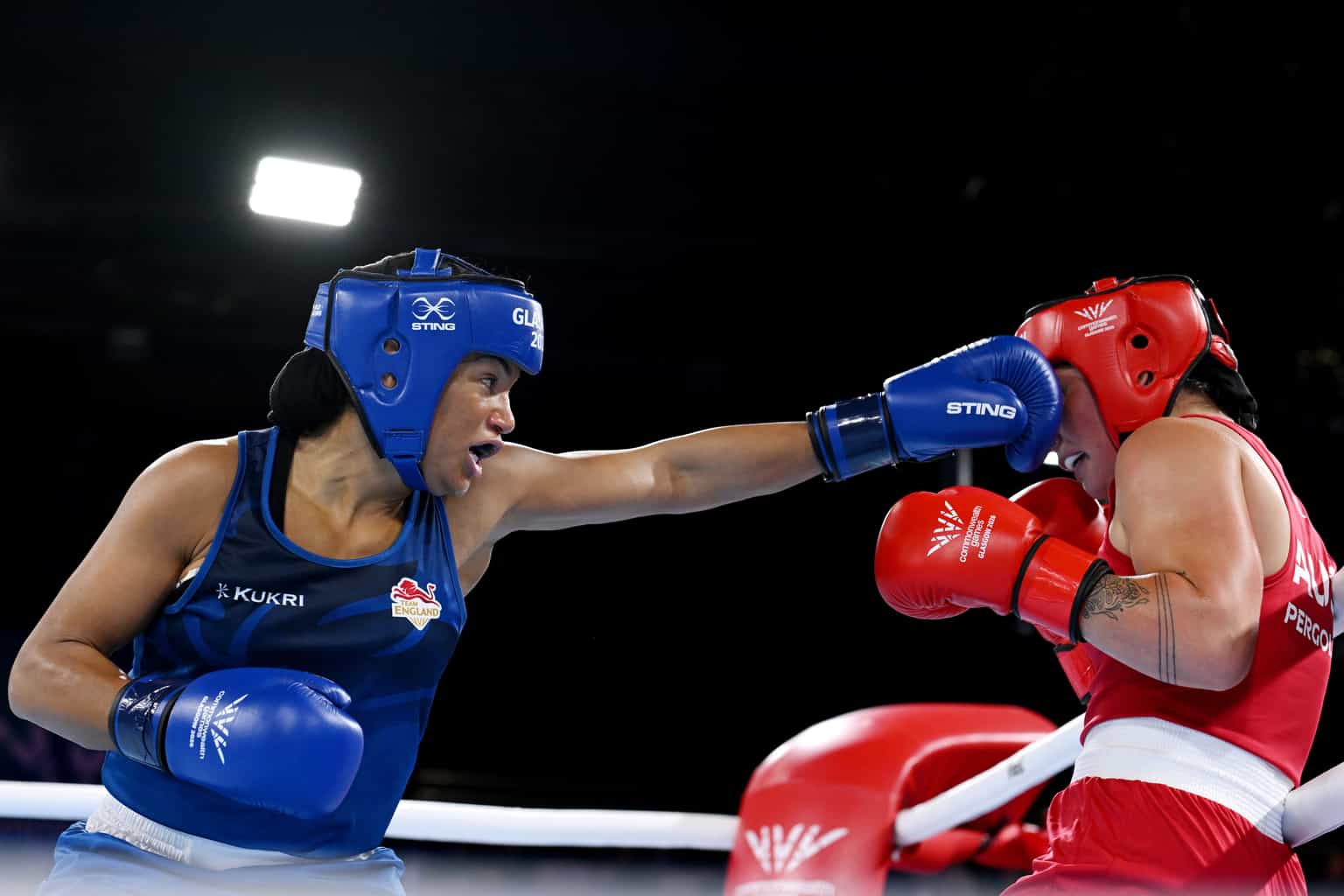
GB boxing: Reid and Thomas reach European finals
GB boxing: Reid and Thomas reach European finals British boxing duo Chantelle Reid and Damar Thomas will fight for gold at the European Boxing Championships after both pushed through Wednesday’s semi-final bouts. Serbia’s Milena Matovic fell short of Reid’s remarkable resilience and skill, with the GB boxer winning 3-2 in the light-middleweight semi-final. Thomas on […]
Sport
3h
Achraf Hakimi to face criminal trial for alleged rape after having appeal rejected
The Morocco captain’s appeal was rejected by the French Supreme Court on Wednesday. It has been confirmed that Morocco and PSG footballer Achraf Hakimi will stand trial over an allegation of rape, after France’s highest court refused to examine an appeal. According to a report from French outlet L’Equipe, the trial is set to go […]
Sport
18h
Exactly what was said between Bellingham and Romero as pair reignited World Cup clash in La Liga
Sport