







Politics

Share
Published 12:08 11 Nov 2024 GMT
Updated 16:03 11 Nov 2024 GMT
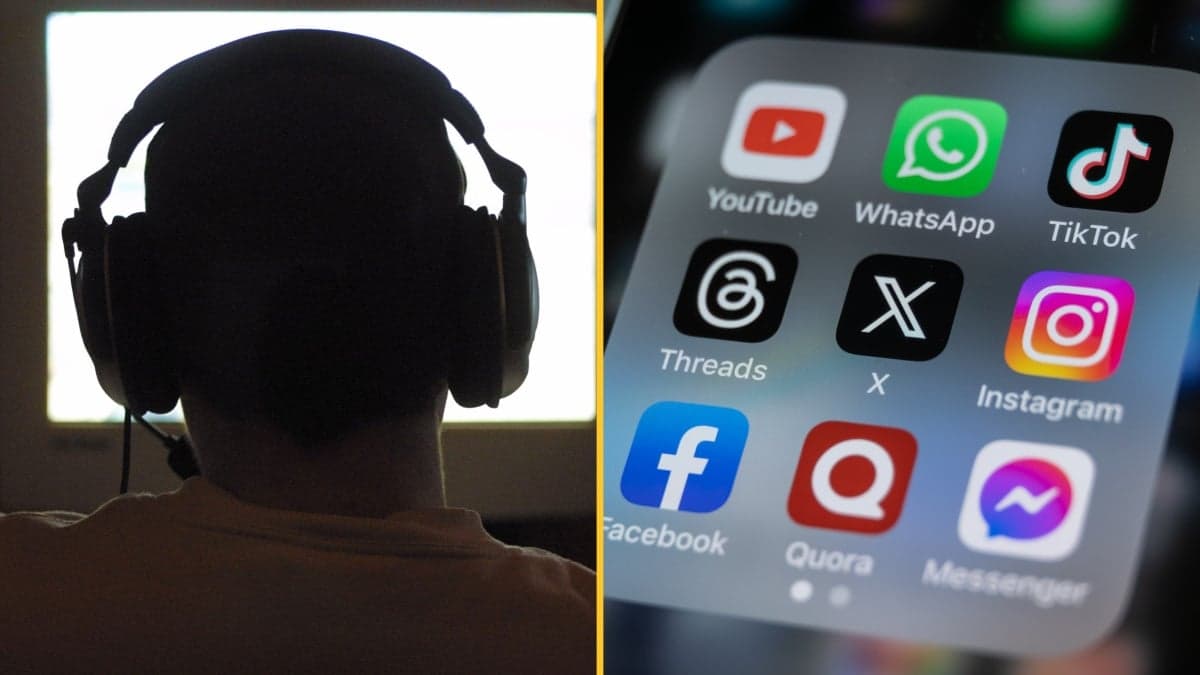
The government is considering banning under 16s from social media, according to reports.
Back in January this year, some of you may remember that then-Tory MP Miriam Cates stood up in parliament and suggested that social media and smartphones should be banned for under 16s in the UK.
Cates cited increased rates of mental health issues, bullying and addiction to pornography amongst her reasons for the proposed ban.
Well, it seems as if the Labour government may have actually liked the sound of the idea.
According to the Times, ministers are considering backing a private member's bill - brought forward by new Labour MP Josh MacAlister - that would raise the age at which social media companies would be allowed to collect data on children.
A previous version of the bill was shut down by the government because it proposed a ban on smartphones in schools.
But a new draft of MacAlister's bill is likely to propose a rise in the age of internet adulthood from 13 to 16. This would effectively make it impossible for social media sites to process children’s data without overhauling their apps.
Whilst a full ban on phones is seen as a non-starter, due to parents wanting to contact or track their kids, it is thought a social media ban has significant support both amongst the public and across Labour and Tory benches.
The Times reports that some MPs have been emailed by their constituents asking them to support the bill.
Science and technology secretary Peter Kyle is thought to be keeping an eye on Australia, which announced last week that under-16s would be banned from social media sites including Facebook, Instagram and TikTok.
Both Health Secretary Wes Streeting and children's commissioner Dame Rachel de Souza have also expressed support for the bill.
A government source told the Times the bill has "quite a lot of support."
They added: "It’s clearly something parents care about. It’s a ripe area and it’s not just a kind of middle-class mum’s concern, it’s across the country.”
Another source said the government was keen on the "principle" of the bill and would be "open-minded" about supporting measures in the right form.
Improved technology means it would now be easier for social media companies to verify ages online, whilst it is thought they would co-operate with any new laws to improve their reputation in the public eye.
The bill, which would also strengthen the powers of regulator Ofcom to protect children, is set to be debated in parliament next March.
Explore more on these topics:
Politics

Politics

Politics
Freezer hacks: Russian hacktivists claim responsibility, but doubts remain
The outages could be linked to targeted cyberattacks Weak security may have been the key to a series of freezer failures affecting supermarkets across Europe, with cyber-security researchers suggesting the systems were targeted using relatively simple techniques. Ryan Dewhurst, from Spanish firm Previdian, said attackers appeared to collect the public IP addresses of individual freezers […]
Politics
1 day ago
White House forced to issue ‘Trump is still your president’ statement after midterms loss
Just in case anyone had forgotten Donald Trump has endured one of the most humiliating defeats of his rollercoaster political career, and – this time – he accepted it with relative grace compared to his previous losses. Speaking in an interview with Fox News after learning the results, the US president even said that the […]
Politics
1 day ago
Politics
Celebrity accused of misconduct loses injunction bid
Politics