







News

Share
Published 10:33 6 Apr 2026 BST
Updated 10:41 6 Apr 2026 BST
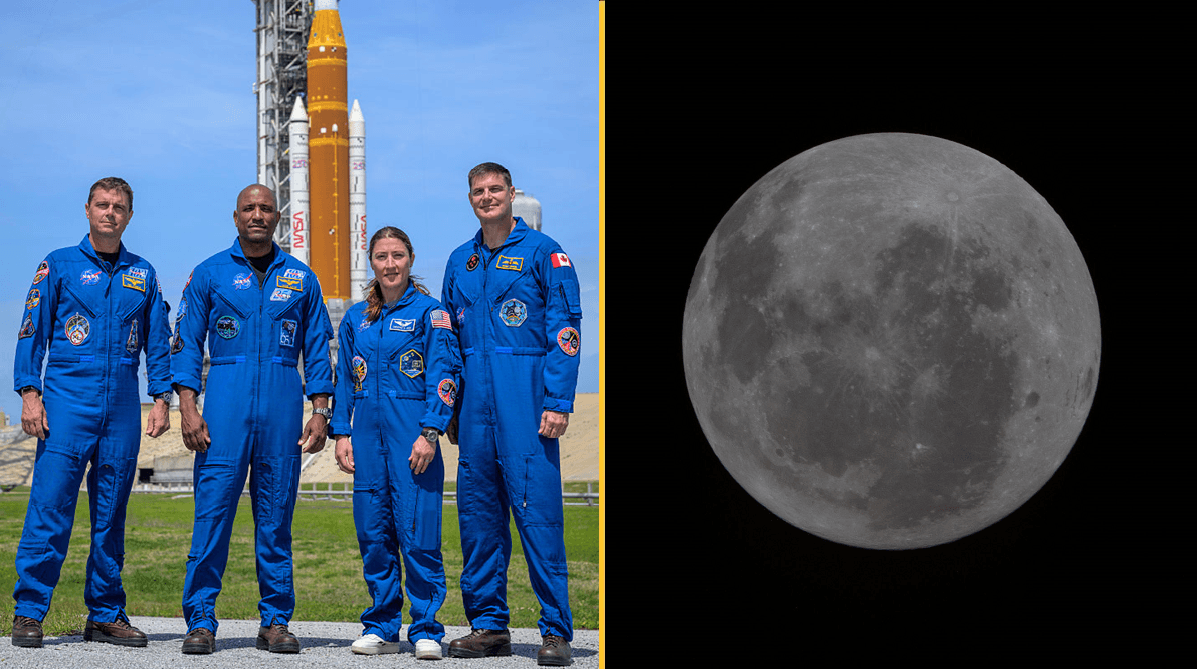
Humans will reach furthest from home on Monday, as the Artemis astronauts will complete their lunar flyby, which will occur at about 23:47 BST (18:47 EDT).
This is a historic achievement for humankind, as no human will have been further from Earth than the Artemis II astronauts.
The four astronauts on humanity's furthest ever journey into space are NASA's Reid Wiseman, Victor Glover and Christina Koch, and Jeremy Hansen of the Canadian Space Agency.
While in their rear-view mirror the Earth shrinks ever smaller, the four astronauts have had a had a constant connection with mission control in Houston, Texas.
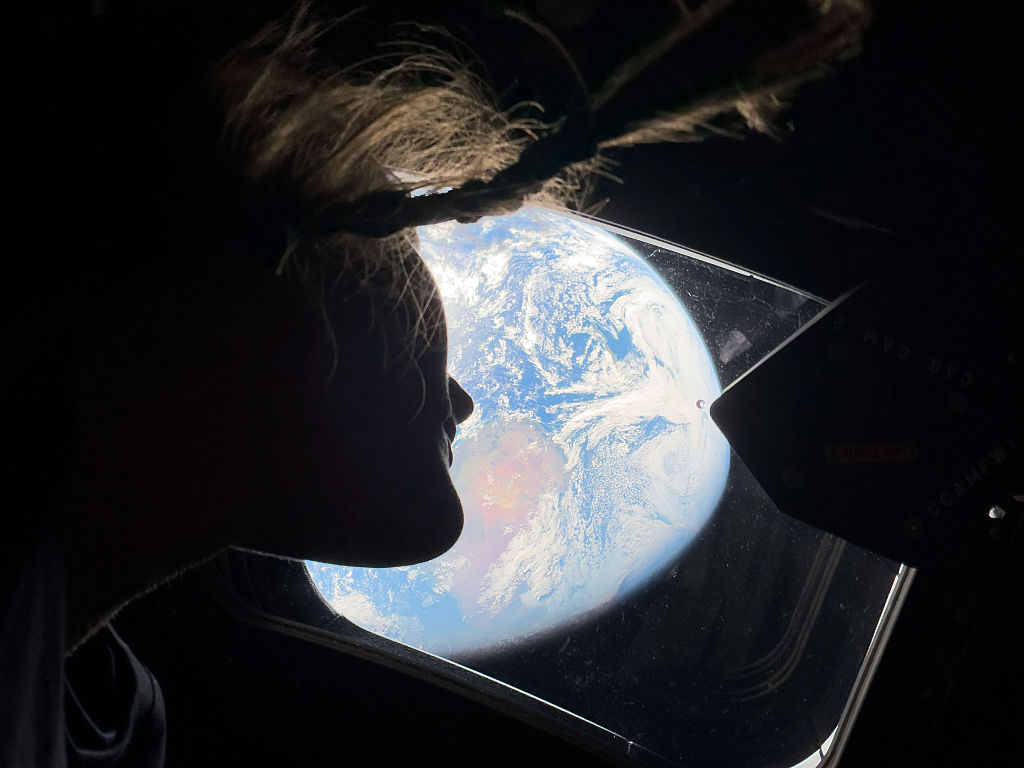
However, this will change for about 40 minutes on Monday, as when they reach the far side of the moon, the radio and laser signals that allow the back-and-forth communication between the spacecraft and Earth will be blocked by the Moon itself.
In a profound moment of solitude and silence, travelling through the darkness of space, the astronauts will be alone, each with their own thoughts and feelings.
Victor Glover, Artemis pilot, told the BBC that he hopes the world will use the time to come together.
“When we're behind the Moon, out of contact with everybody, let's take that as an opportunity”, he told BBC News before the mission.
“Let's pray, hope, send your good thoughts and feelings that we get back in contact with the crew.”
The same thing happened to NASA astronauts more than 50 years ago, as the Apollo astronauts also experienced the isolation brought by a loss of signal during their missions to the Moon.
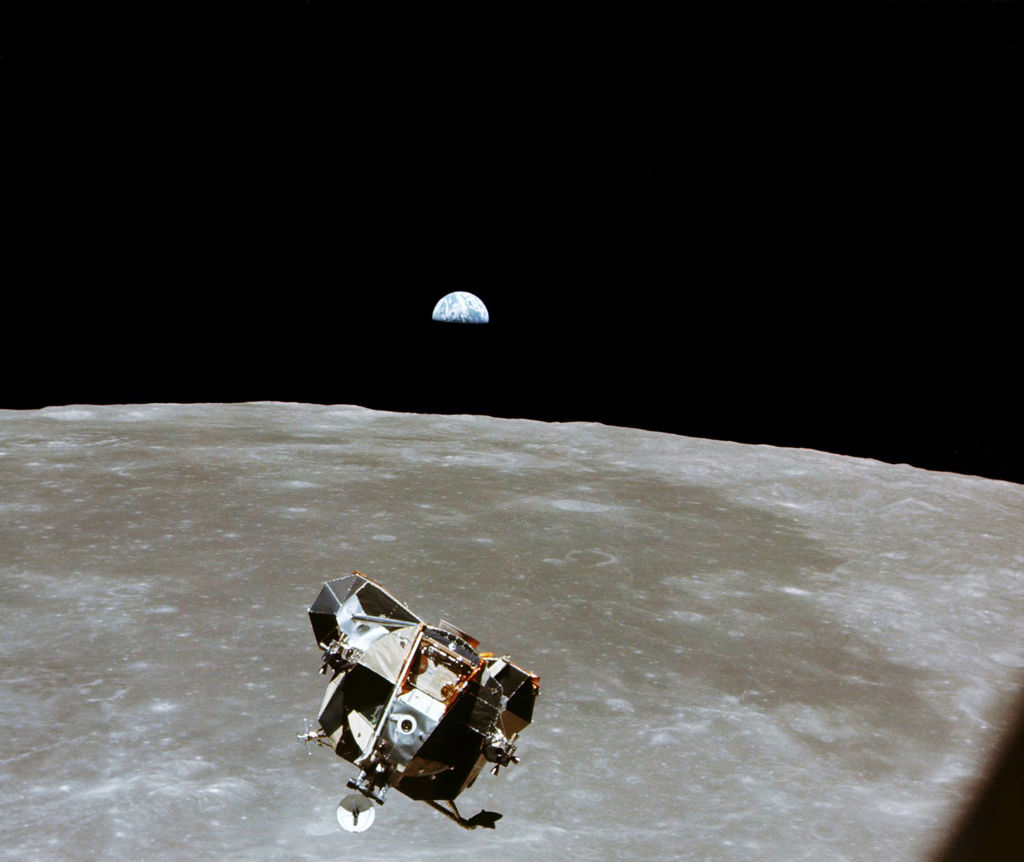
While Neil Armstrong and Buzz Aldrin made history in 1969, taking the first steps on the lunar surface, Michael Collins was alone in the command module, orbiting the Moon.
In his 1974 memoir Carrying the Fire, he described the experience saying he felt “truly alone" and “isolated from any known life”, but that he did not feel fear or loneliness.
While in later interviews, he described the peace and tranquillity brought by the radio silence, saying it offered a break from the constant mission control requests.
Explore more on these topics:

News

News
News

News
Rejoining EU could boost UK economy by £150bn – Goldman Sachs
Analysts from the bank reckon a ‘Breturn’ would boost the UK economy by 2-5% by the start of the next decade. Goldman Sachs has said rejoining the European Union could boost the UK economy by as much as £150 billion. In a note to clients, the Wall Street bank voiced its support for Andy Burnham’s […]
News
7h
Travel chaos across Italian airports after air traffic control failure
Air traffic management capacity has been slashed in half Travel chaos has struck Italy’s major airports after an air traffic control failure left capacity halved on Friday. Hundreds of flights across Italy have been delayed and over 100 cancelled due to “anomalies” with air traffic control (ATC) services. The Italian air navigation service provider, ENAV, […]
News
13h

News
Abu Dhabi Royal was found passed out on street in London after ‘cocaine binge’
News