








News

Share
Published 11:59 29 Dec 2025 GMT
Updated 11:59 29 Dec 2025 GMT
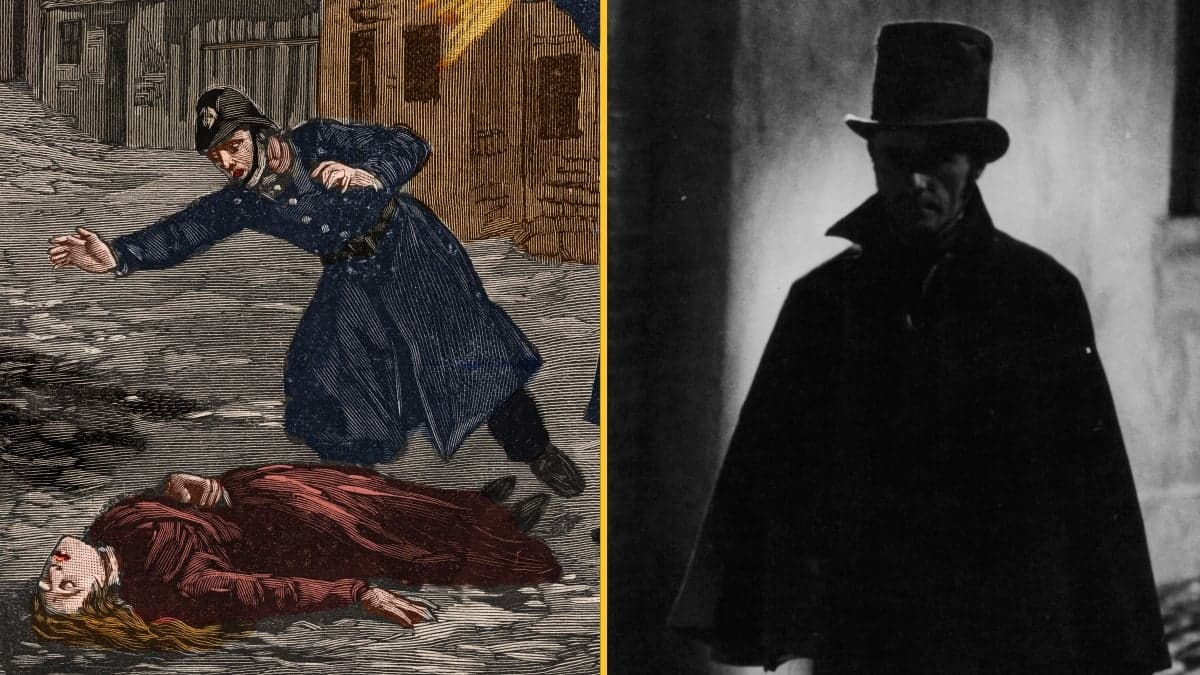
An expert has revealed a fact that you may not have known about Jack the Ripper, which could reveal who carried out the horrific killings 137 years ago.
Between August 31 and November 9 of 1888, five women were murdered in the streets of Victorian London, and it has long been considered that the same man committed all murders.
Mary Ann Nichols, Annie Chapman, Elizabeth Stride, Catherine Eddowes and Mary Jane Kelly were the five women who were brutally murdered.
The true identity of the individual who carried out the murders remains a mystery to this day, while several theories and names have been put forward.
Following DNA evidence that was found on a silk shawl near one of the victims’ bodies, Aaron Kosminski, a Polish Jew who worked as a barber in London, became the number one suspect.
But according to historians Tom Holland and Dominic Sandbrook, there are now key clues in unmasking Jack the Ripper’s identity.
On The Rest of History podcast, Holland explained that the potential clues lie in the places of work that could be found near the grisly killings.
He said that “Nichols was murdered next to the largest knacker’s yard in the East End, which operates all through the night,” suggesting that the crimes occurred during the killers' twilight commutes.
“If you’re a knackerman, a slaughterman or a butcher, you’ve got knives, anatomical expertise and a reason to have blood all over you,” he added.
He argues that the work of men in those industries fit with the long-held observation about the behaviour of the serial killer.
“If you do that, then working in a knackers’ yard, a slaughterhouse or a butcher's would be an obvious job,” Holland added.
He also suggested that the killer most likely drew on the work experience to commit the gruesome murders, as he looked to the increasing brutality of the killings.
Holland explained that “what you get with the ripper’s murders is an escalating sense of frenzy," adding that “it would make sense, it seems to me, that you go from slicing up horses to increasingly horrific mutilations of women.”
“People say about serial killers that they show an interest in torturing and killing animals from childhood,” he posited.
And there was a definitive link between animal cruelty and serial killers, including some of the country’s most infamous examples, such as Jeffrey Dahmer and Edmund Kemper, according to a research shared by the US Department of Justice.
Historians Holland and Sandbrook have already ruled out some of the more famous candidates for Jack the Ripper, which included Queen Victoria’s grandson, Prince Albert Victor, who was not in London when the crimes were committed.
Then monarch’s physician, Sir William Gull, and the cricketer WG Grace were two other names that were also ruled out.
Dr Gull was a “pioneer in the medical treatment of anorexia, so he deserves to be better remembered than as a candidate for being Jack the Ripper”, according to Holland.
Explore more on these topics:

News

News

News

News
Homes evacuated after ‘pipe bomb’ explosion in Belfast
Police have asked the public to avoid the area A number of homes have been evacuated after an explosion at a property in north Belfast. The incident is reported to have happened in the Stanhope Street area of the city. Belfast Live report that it is believed that a pipe bomb exploded at a property […]
News
31 min
Government plans to expand BBC licence fee with proposed ‘YouTube Tax’
YouTube, Netflix and Disney+ could face new BBC fee rules Watching videos online could soon come with an unexpected cost, as the government considers extending the BBC licence fee to streaming services and digital platforms. The proposed shake-up could bring websites and services such as YouTube, Netflix, Amazon Prime Video and Disney+ under the same […]
News
45 min
Body of British tourist who died abroad goes missing from morgue before eerie twist
News