

News

Share
Published 10:54 17 Aug 2025 BST
Updated 10:55 17 Aug 2025 BST
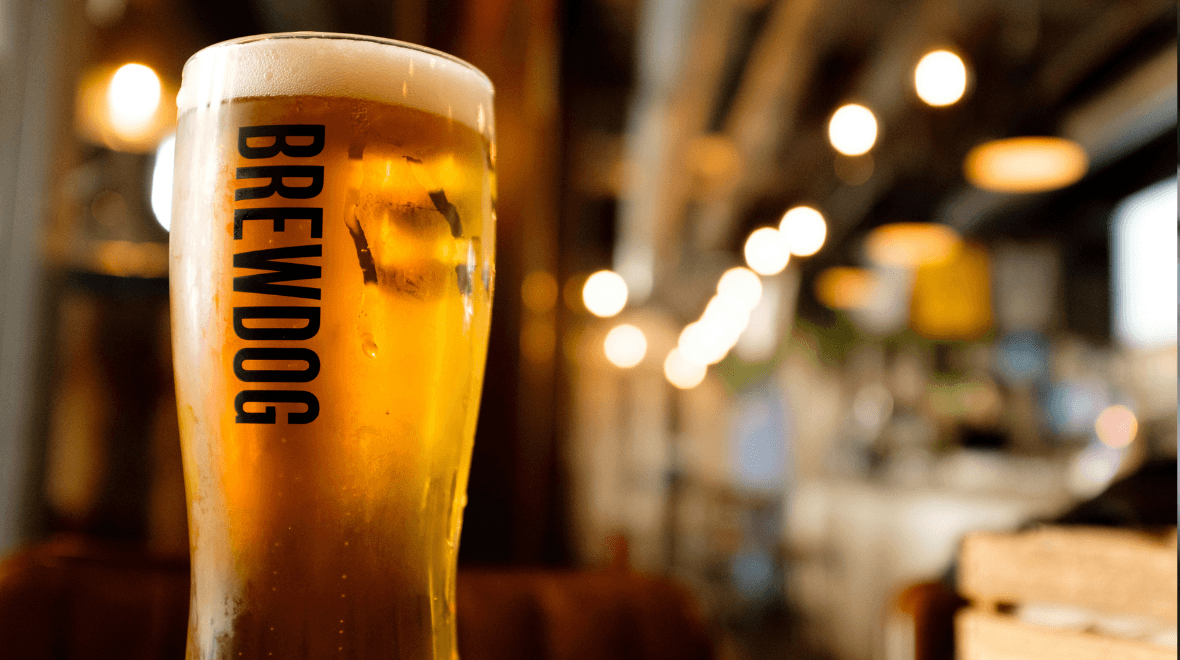
Just a month after closing ten of its own branded bars, 1,860 British pubs have opted to stop serving Brewdog beer, as first reported by The Telegraph.
The move, which is said to mainly have taken place at larger chain pubs, is part of a wider consumer trend of punters slowly turning away from the once popular brand.
Brewdog's best known beer is Punk IPA which has seen a shocking 52.3pc decline in distribution over the past 24 months, while overall Brewdog distribution is down by a third.
At the height of its popularity, Brewdog reportedly made more than £200 million in annual sales, as it spearheaded the "punk beer movement."
The period of exponential growth was short lived however.
In 2021 report 61 former staff members signed a joint letter that alleged: "Being treated like a human being was sadly not always a given for those working at BrewDog."
In the two financial years since, Bewdog's success has ground to a halt: they recorded losses of £59m in 2023 and £30.5m in 2022.
Brewdog's losses have coincided with the rise of rival IPA options like Beavertown and Camden Town who are rapidly taking up their places in major pub chains.
The Telegraph also spoke to an industry insider who broke down just how serious the situation is for Brewdog.
They said Brewdog is "losing taps in the [pub and bar trade] like you wouldn’t believe.”
The insider suggested that Brewdog's last remaining means of profitability is through Wetherspoons pubs, all 794 of which stock Brewdog beer.
“If they ever lost the JD Wetherspoon deal, then that’s Punk IPA done as a [pub trade] product,”
Brewdog's chief operating officer Lauren Carroll has also commented on the situation, saying: "Independent brewers across the board have felt the squeeze from the economic pressures hitting the pub trade. With costs rising and consumers watching their spend, pub groups have been narrowing their ranges, and brewery-owned pubs are putting more emphasis on their own brands.
“It’s not just us – every independent brewer has been affected. We saw the trend coming, which is why we’ve shifted focus to high-impact channels like festivals, stadiums, and independent [pubs].”
Nottingham city centre closed after police officer shooting
BREAKING Police have confirmed that an officer has been shot in Nottingham city centre. According to Nottinghamshire Police, a man and woman have fled the scene while a firearm has been recovered. The two suspects have not been found yet, police said. They were approached by the officer in Angel Row shortly before the incident, […]
News
14h
Wainwright fire kills several at Canada military base
A nearby hospital declared a mass-casualty emergency A fire at a Canadian military base has caused the deaths of several people and left dozens of others injured. The fire broke out at Canadian Forces Base Wainwright on Saturday evening, as per the BBC. According to Canadian broadcaster Global News, which cited unnamed military sources, at […]
News
15h
News
Homes evacuated after ‘pipe bomb’ explosion in Belfast
News