









News

Share
Published 09:10 24 Dec 2025 GMT
Updated 09:10 24 Dec 2025 GMT
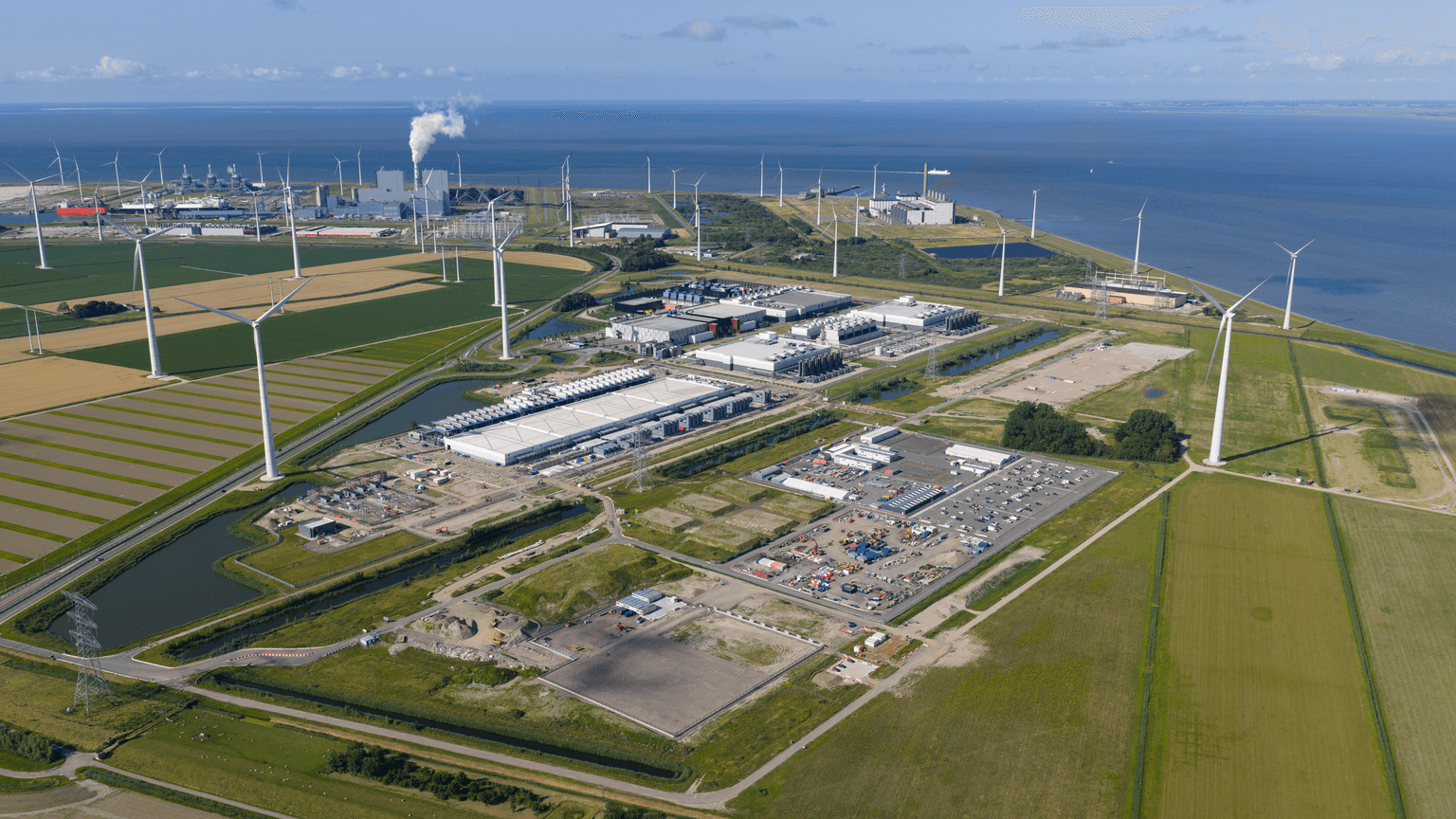
According to new study, a carbon footprint that matches a small European country could be possessed by AI data centres.
In 2025, 80 million tons of CO₂ could be produced by AI systems, which is as much water as the world’s bottled water industry.
The carbon footprint of artificial intelligence (AI) in 2025 could match a small European country or that of New York City, and studies say that it can use as much water as the global annual bottled water industry this year.
AI’s water use footprint could be equivalent to the range of the global annual consumption of bottled water, the study estimates, ranging between 312.5 and 764.6 billion litres in 2025.
It is also estimated that in 2025, AI systems running in data centres could be responsible for between 32.6 million and 79.7 million tonnes of carbon dioxide.
For comparison, New York City’s total emissions in 2023 reached 52.2 million tonnes of CO₂.
A country like Norway, on the other hand, had 31.5 million tonnes of total emissions in 2023, the European Environment Agency said referring to 2025 data.
Data centres are large facilities in which servers are housed, and they are used to run online services like AI, cloud computing and video streaming.
Large amounts of heat are generated by these serves and they often rely on cooling systems that are water-based, in order to have safe operation.
And the demand for data centres that require energy to run and water for cooling has soared, as the pace of AI and other technologies is gaining pace.
The World Economic forum estimates that about 15% of the world’s data centres are hosted in Europe, second only to the US, which accounts for roughly 45%.
Europe hosts about 15 per cent of the world’s data centres, second only to the United States, which accounts for roughly 45 per cent, according to the World Economic Forum.
Explore more on these topics:

News

News

News

News
Loch Lomond crash: boy, 16, and man, 80, killed in light aircraft crash near Drymen
Major incident declared after fatal plane crash Two people have died following a light aircraft crash in Stirlingshire, prompting a major emergency response and an investigation into the circumstances surrounding the incident. The victims were a 16-year-old boy and an 80-year-old man, who were both found dead after the aircraft came down near Drymen on […]
News
1 day ago
White House press secretary Katie Zacharia fired after five days in position
It comes after Trump said she should ‘reconsider’ her job White House press secretary Katie Zacharia has been fired after five days in the position, as per reports. Zacharia had a tough start to life in the role, hosting a briefing on Tuesday which caused a lot of criticism and raised a number of questions. […]
News
2 days ago
Piers Morgan urges Trump to side with Ukraine against ‘modern-day Hitler’ Putin
News