




News

Share
Published 15:23 23 Apr 2022 BST
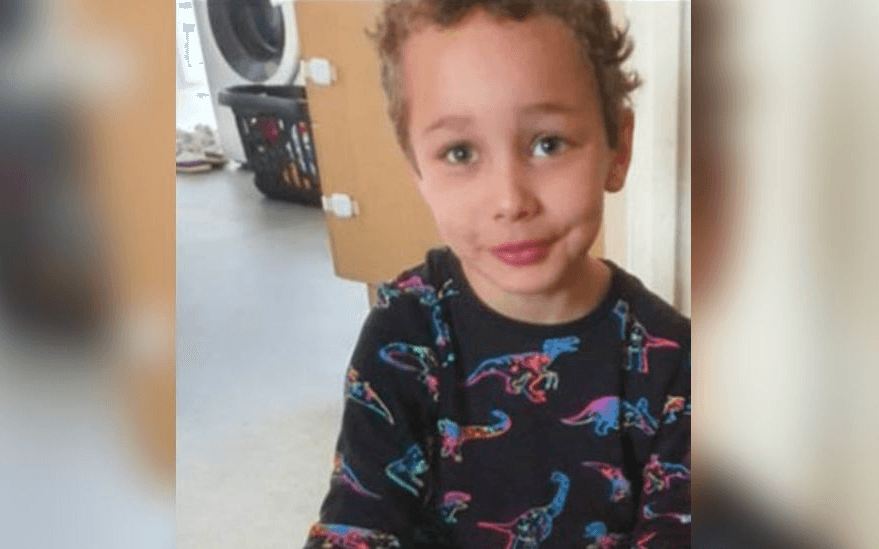
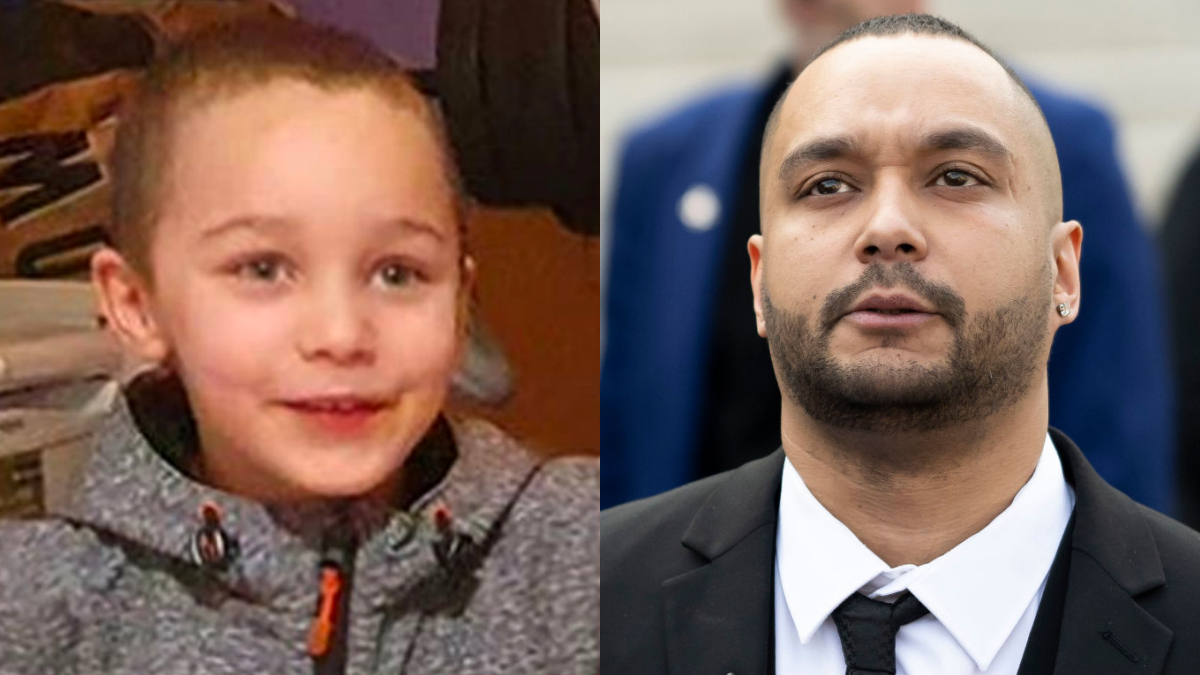 Credit: South Wales Police/Getty - Logan (L) and his biological father, Benjamin (R), reading a statement following the trial on April 21[/caption]
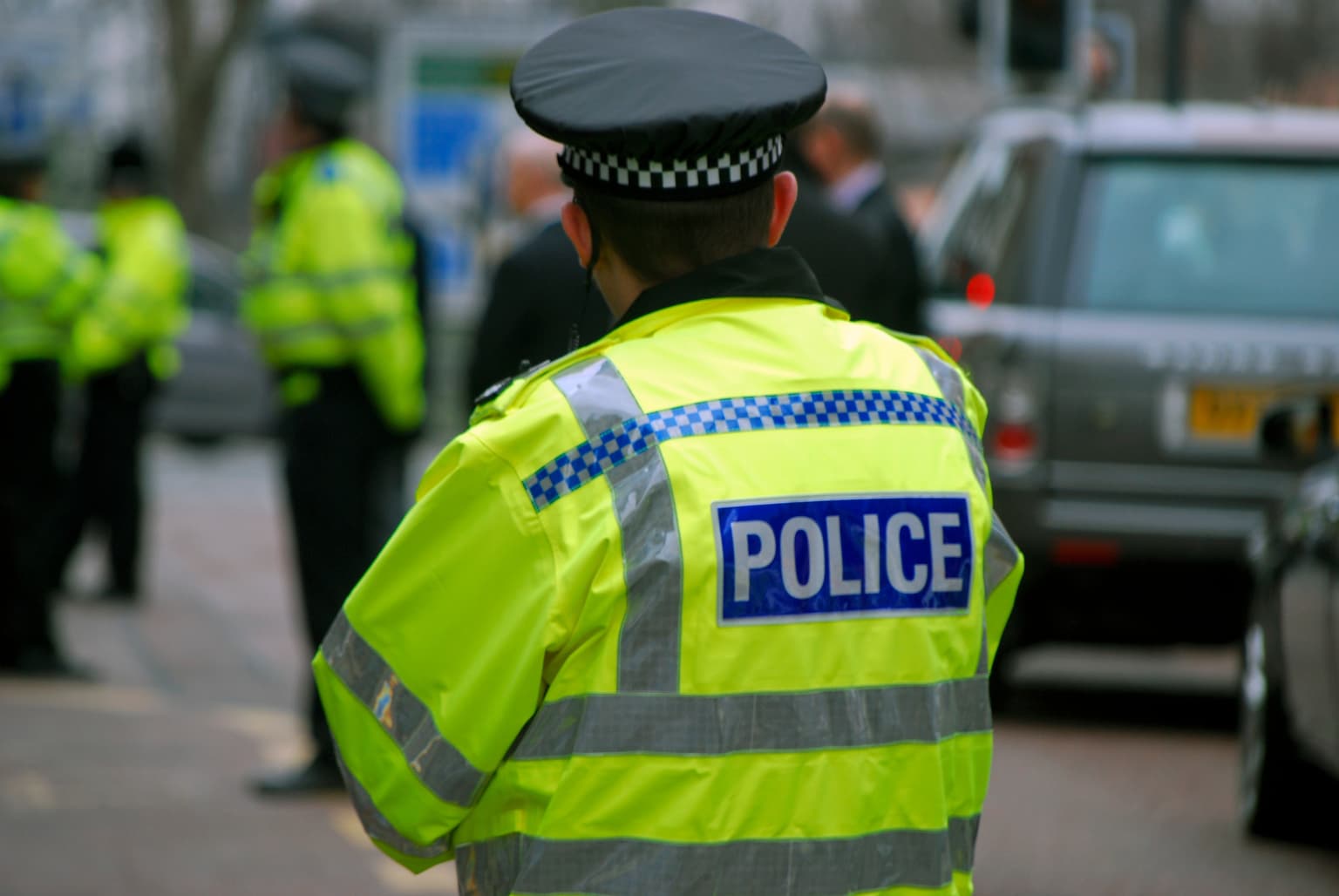
Professor Noelle Robertson, an expert in clinical psychology at the University of Leicester, said that while the majority of people on the jury's feelings would diminish over time, a small minority risk being "really profoundly affected".
"During difficult trials, it would not be unusual for people to be experiencing some degree of emotional disturbance", she told the BBC, adding that beyond simply feeling sad, "you might feel flat, you might notice that your sleep was disturbed, you might feel restless, you might feel physical tension."
She went on to warn that jurors can "continue to have intrusive thoughts about the process... have flashbacks" and "might re-imagine images they've seen [which] continue to intrude into their lives"."This can include warnings of distressing evidence as well as offering a range of support such as counselling from GPs and advice from the Samaritans."
Explore more on these topics:
News
News
News
News
Wainwright fire kills several at Canada military base
A nearby hospital declared a mass-casualty emergency A fire at a Canadian military base has caused the deaths of several people and left dozens of others injured. The fire broke out at Canadian Forces Base Wainwright on Saturday evening, as per the BBC. According to Canadian broadcaster Global News, which cited unnamed military sources, at […]
News
1h
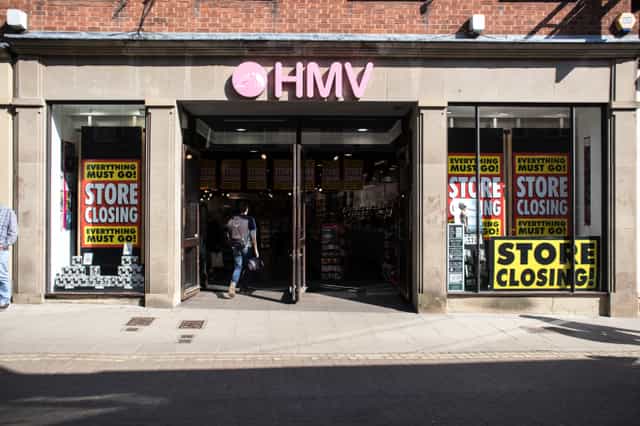
Store closures confirmed as HMV and Typo shut UK shops
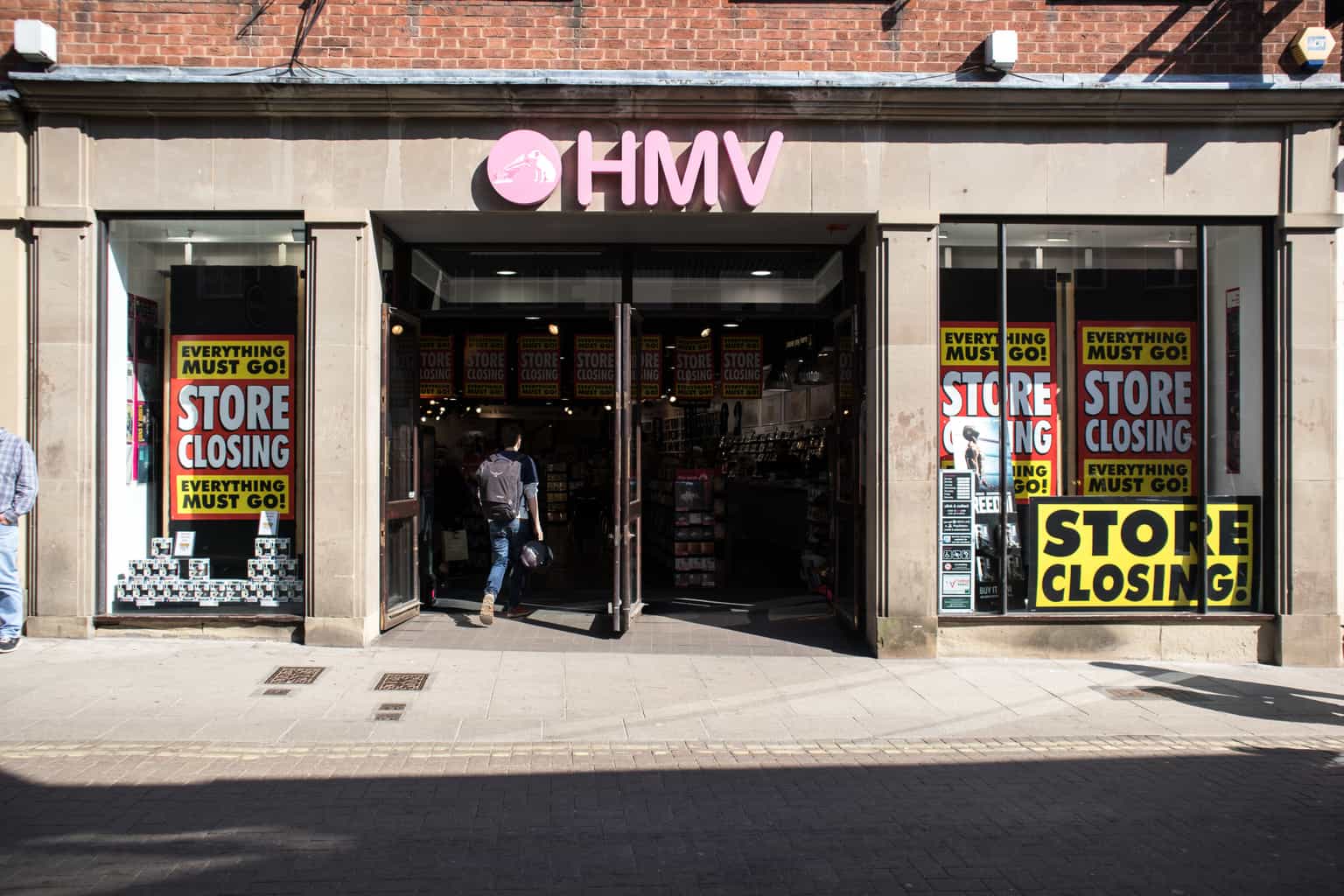
More high street closures as retailers battle rising rents The UK retail landscape is set for another shake-up, with four familiar names preparing to close stores as businesses grapple with expensive leases and changing sales. Stationery retailer Typo is withdrawing from the British market altogether, putting its remaining 13 shops at risk of closure. Meanwhile, […]
News
18h
News
Government plans to expand BBC licence fee with proposed ‘YouTube Tax’
News