






Football

Share
Published 22:33 2 Jul 2018 BST
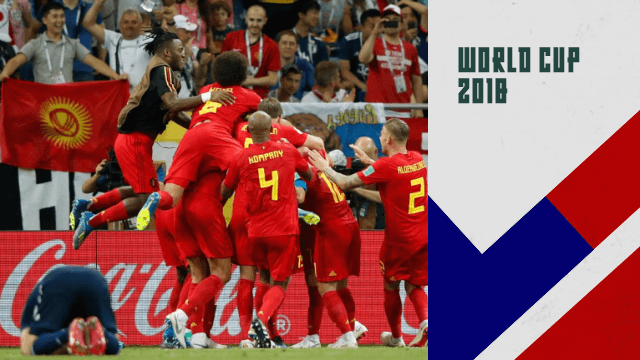
What followed was significantly less beautiful but just as effective. Eden Hazard slithered and squirmed past the Japanese full-back like some sort of human-eel hybrid and unleashed a swinging cross into the box. Waiting for it was the forehead and body of Marouane Fellaini, who thumped home the sort of header usually reserved for games in which Jose Mourinho has run out of ideas. Belgium had equalised, but in truth, that looked to be that. Both sides threatened from range and played some neat passing football, but fatigue was clear and all 22 men on the pitch seemed more intent on having a little sit, catching their breath and drinking some of the World Cup's licensed beverages during the interval between full-time and extra-time. In truth, so were we. We were sitting there, heart rates finally lowered, watching time count down, thinking that - if anything - a goal would spoil this one. We've come this far, why turn back now? We've got 30 more minutes if everyone just keeps it tight. The thing about World Cup teams and, really, all teams is that playing an extra 30 minutes is an utter pain in the arse. It's the overtime at work after which all you'll earn is a cramp and a headache. They don't want to do it. They want to play 90 minutes and win. Is it selfish of them to not consider us howling fools at home? Perhaps. Is it understandable? Of course. The great (or very good, at least) teams out there do it when it matters. Greece progressed to the Euro 2004 final with a last minute header at the end of the first half of extra-time, earning a silver goal win against an arguably better and indisputably devastated Czech Republic side. Manchester United won the Champions League final in 1999 with two late, short range goals against Bayern Munich, leaving Sami Kuffour thumping the ground like he was trying to dig the hole to swallow him up. Even the best sides though struggle to combine this timeliness with sheer and utter beauty - it's usually one or the other, the desperation to win superseding the desire to entertain - but that's what Belgium did as this game entered the final stages of injury time. Is this Belgium team great? Lord no, but in the space of a few short seconds they did what even the greatest sides throughout time have often struggled to do, and illustrated exactly what they are capable of. https://twitter.com/YedIin/status/1013877023046078471 In the space of a few short seconds they showcased the very best attributes of their side. Kevin De Bruyne strode out from deep, terrifying the daunted Japanese defenders into retreat. Romelu Lukaku, a player unfairly labelled by fools as a battering ram, utilised his awareness of the pitch and his spatial intelligence to make a beautiful, sacrificial run. Thomas Meunier battered up the wing, keeping pace the entire time, but never getting ahead, always remaining in the perfect position as Lukaku opened up the space ahead of him. He squared it, while Lukaku - with his second contribution in this break neck and spectacular move, dummied the ball confidently. Then, it rolled to Nacer Chadli, as Lukaku knew it would, who tucked it in perfectly. It was a worthy reward for a gut-busting run from deep. And this, one of the most breathtakingly ruthless counter-attacking goals you'll ever see, was a worthy winner of this game. It was the sum of Belgium's parts, in a way we've never seen before, and it was worth missing extra-time for. https://twitter.com/FIFAWorldCup/status/1013878538380902400Yes, @Fellaini! The #MUFC midfielder has equalised for Belgium against Japan to level the scores at 2-2.
Live #WorldCup blog: https://t.co/PJzEd6VqSi pic.twitter.com/h0s2DGZavO — Manchester United (@ManUtd) July 2, 2018
Explore more on these topics:
Football
Football
Football

Football
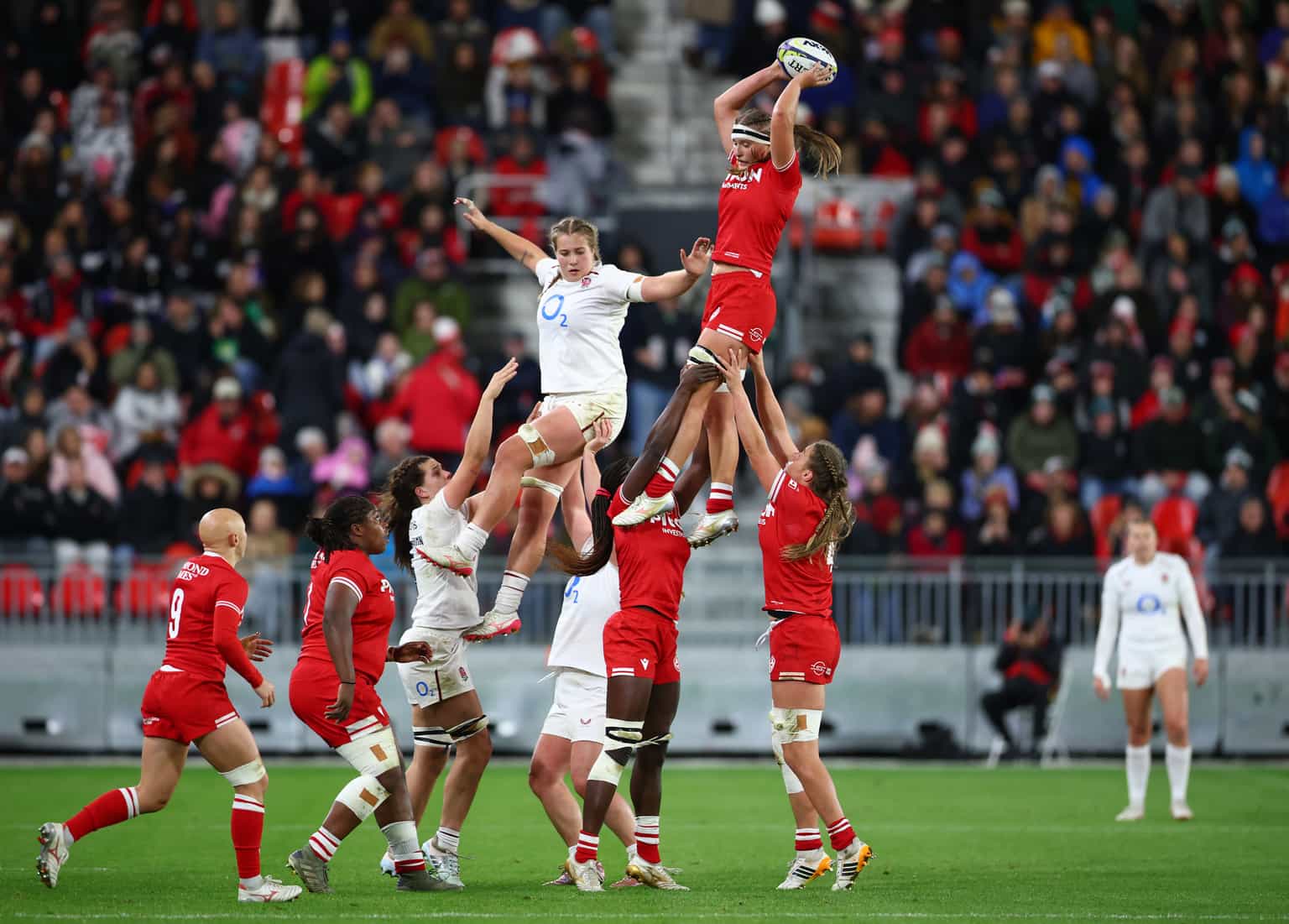
Red Roses Canada loss ends England’s 41-match unbeaten run
Canada seals historic win over England England’s dominance in women’s rugby has finally been brought to an end, with Canada producing a stunning late comeback to claim a 24-21 victory in front of thousands of fans in Toronto. The decisive moment arrived with only three minutes left on the clock, when Shoshanah Seumanutafa crossed for […]
Football
2 days ago
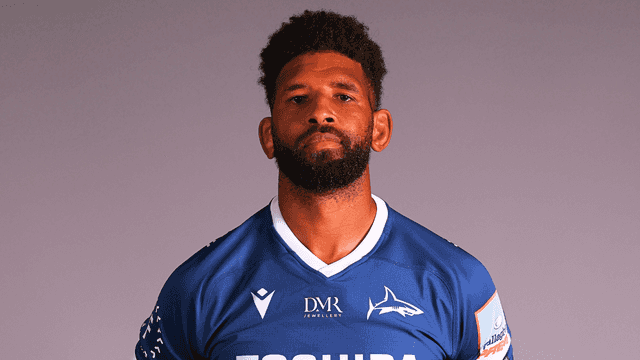
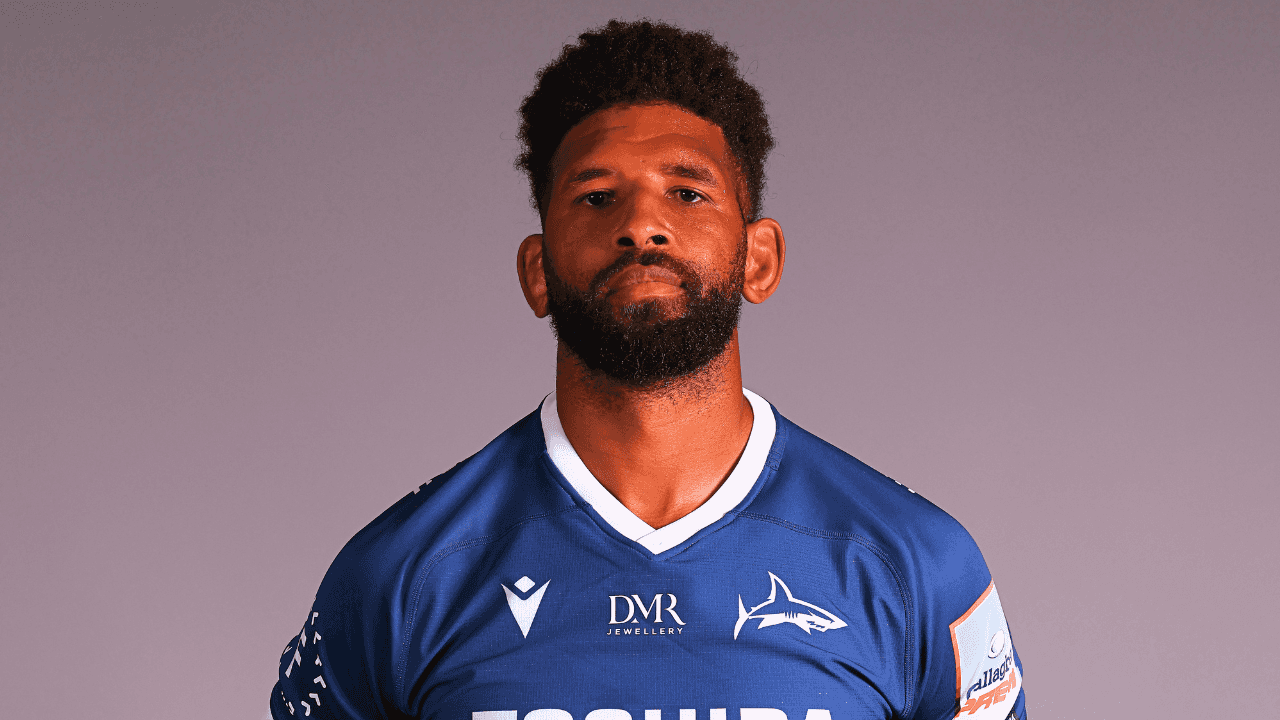
Former Sale Sharks player Hyron Andrews dies at team hotel in France
He was just 31 years old Former Sale Sharks player Hyron Andrews has died aged 31 at his team hotel in France. As reported by Ici La Rochelle, Andrews, a member of the South African team Lions, was found in the squad hotel on l’île de Ré, an island just off the coast of the […]
Football
3 days ago
Rees-Zammit demands end to artificial rugby pitches
Football