






News

Share
Published 09:29 21 Jul 2021 BST
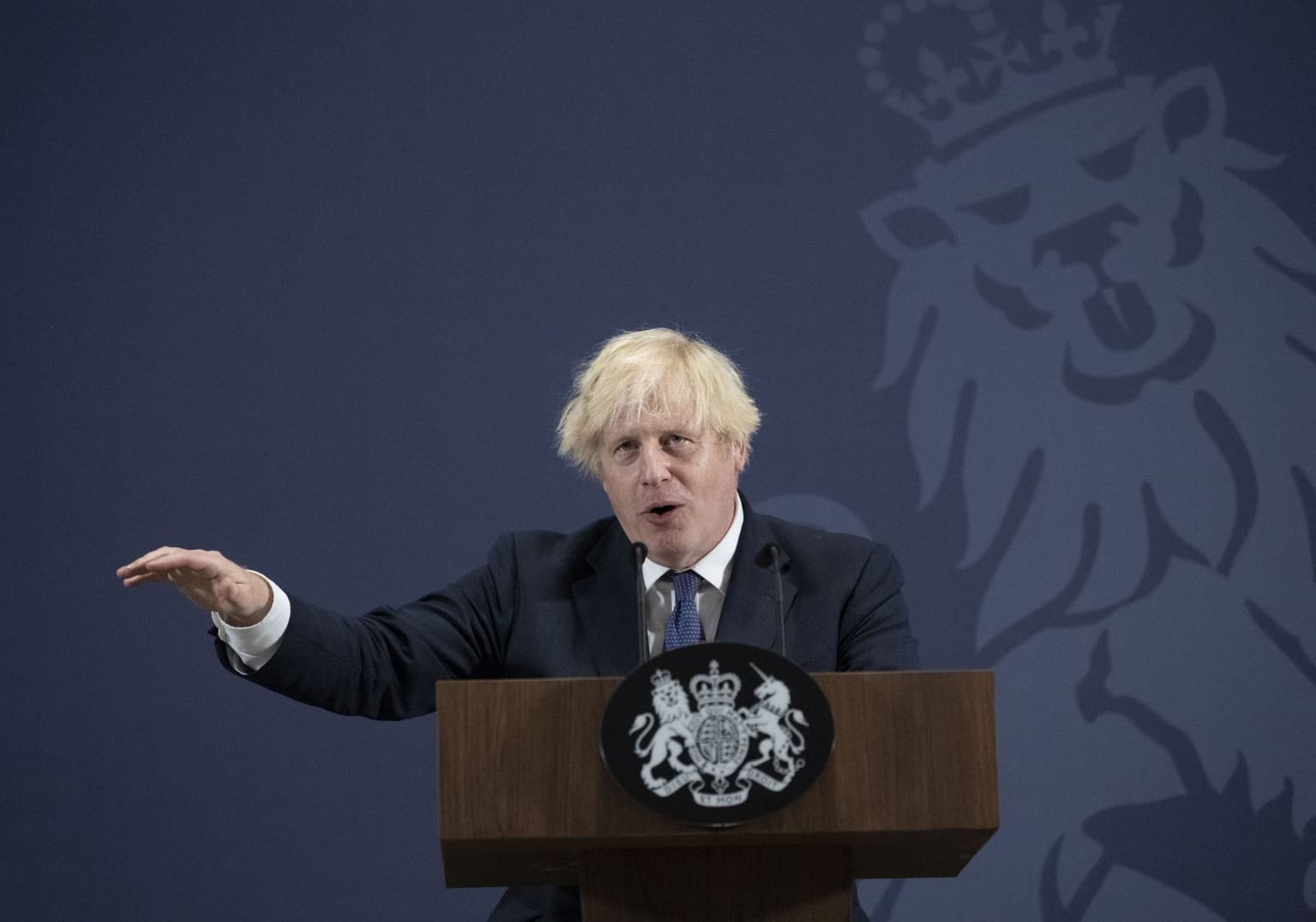
"Since the passage of the Act in 1989, there have been unprecedented developments in communications technology (including data storage and rapid data transfer tools) which in our view, means that unauthorised disclosures are now capable of causing far more serious damage than would have been possible previously.
"As a result, we do not consider that there is necessarily a distinction in severity between espionage and the most serious unauthorised disclosures, in the same way that there was in 1989.
"Although there are differences in the mechanics of and motivations behind espionage and unauthorised disclosure offences, there are cases where an unauthorised disclosure may be as or more serious, in terms of intent and/or damage.
"For example, documents made available online can now be accessed and utilised by a wide range of hostile actors simultaneously, whereas espionage will often only be to the benefit of a single state or actor.
"In severe cases, the unauthorised disclosure of the identities of agents working for the UK intelligence community, for example, could directly lead to imminent and serious threat to life."
Because the Matt Hancock scandal relied heavily on leaked CCTV footage, those responsible could very well have faced jail time if this motion had passed sooner. https://twitter.com/DawsonEJoyce/status/1417564441302999045"Existing legislation distinguishes provisions and penalties between those who leak or whistleblow, those who receive leaked information, and foreign spies.
"The government proposes to eliminate or blur these distinctions. The government also wants to increase the maximum penalties that journalists might suffer for receiving leaked material from two to 14 years...
"The NUJ has long argued that where whistleblowers believe that they have acted in the public interest, they should be able to make this case in court, and if a jury agree with them, be protected."
Explore more on these topics:

News
News

News
News
Loch Lomond crash: boy, 16, and man, 80, killed in light aircraft crash near Drymen
Major incident declared after fatal plane crash Two people have died following a light aircraft crash in Stirlingshire, prompting a major emergency response and an investigation into the circumstances surrounding the incident. The victims were a 16-year-old boy and an 80-year-old man, who were both found dead after the aircraft came down near Drymen on […]
News
1 day ago
White House press secretary Katie Zacharia fired after five days in position
It comes after Trump said she should ‘reconsider’ her job White House press secretary Katie Zacharia has been fired after five days in the position, as per reports. Zacharia had a tough start to life in the role, hosting a briefing on Tuesday which caused a lot of criticism and raised a number of questions. […]
News
2 days ago
19 people injured after Channel Tunnel collision between bus and train
News