





News

Share
Published 17:25 28 Feb 2022 GMT
Updated 17:27 28 Feb 2022 GMT

 Via NASA/CalTech[/caption]
"I don't think we can say what they'd look like for sure, because cloud formation is complicated and we don't have clouds like these to observe up close in our own solar system," Mikal-Evans told Mashable. However, the astronomer suggests that the clouds could resemble dust storms seen on Earth.
Researchers suspect that "some of the clouds would have red and blue colouration" which is caused by specific minerals. Aluminium condenses to become the mineral corundum, which in turn makes rubies and sapphires. By this logic, such clouds could contain flecks of precious gems.
"Liquid gems could therefore be raining on the nightside hemisphere of WASP-121b," the Max Planck Institute for Astronomy said via press release.
News
News

News

News
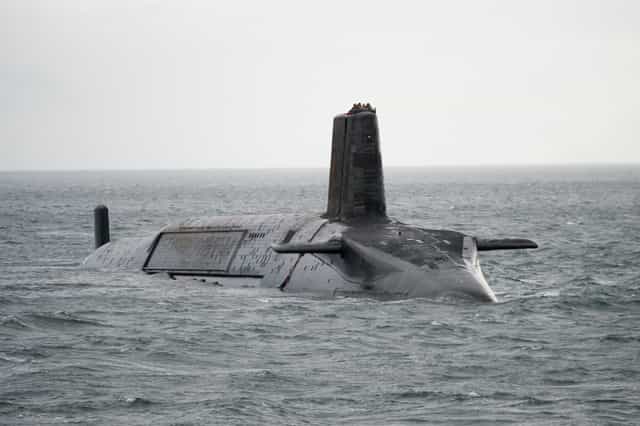
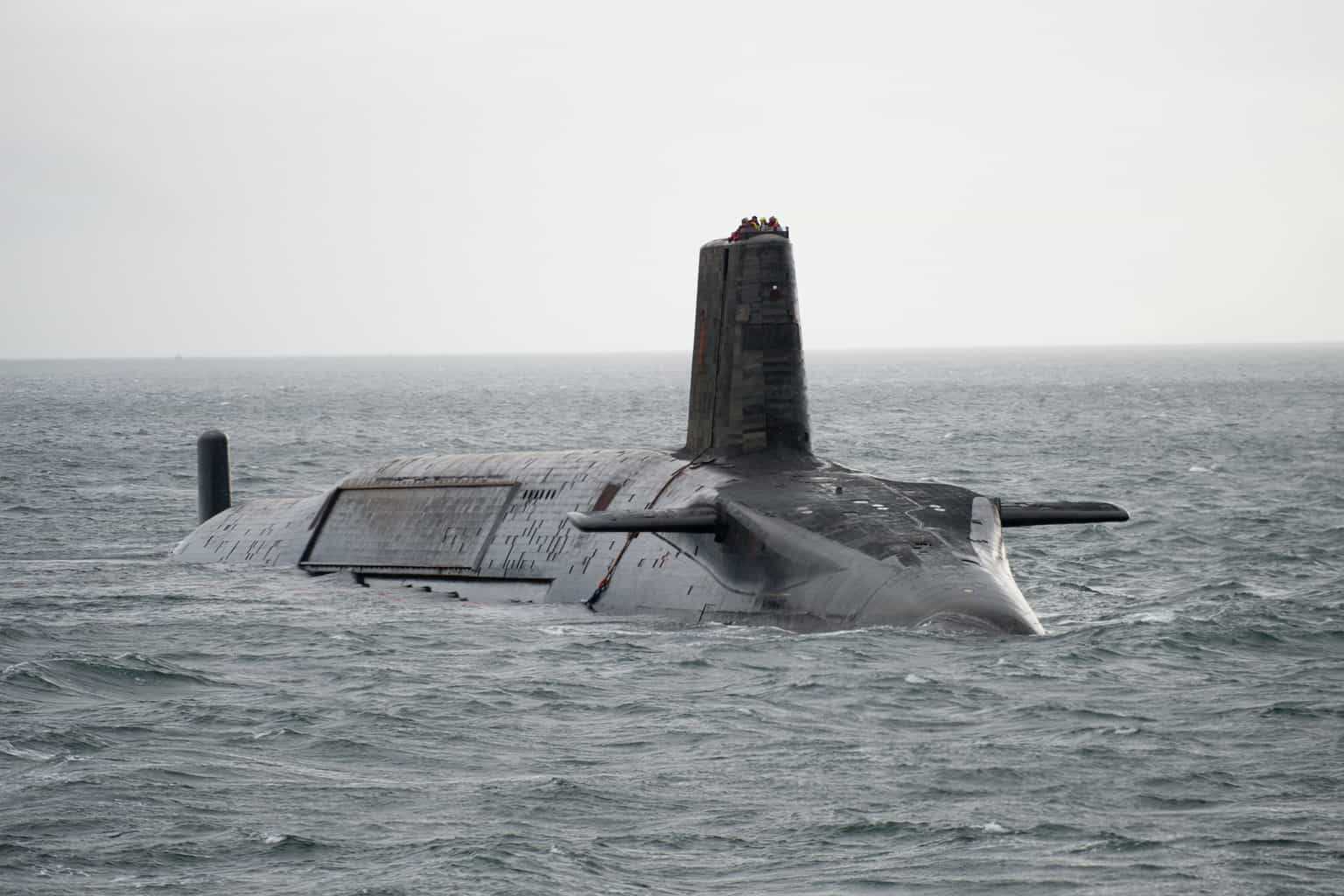
UK deploys three of four nuclear deterrent submarines in ‘unusual circumstances’
At least one is armed with ballistic missiles on a routine patrol. The UK has deployed three of its four nuclear deterrent submarines in what has been described as an “unusual situation”. As reported by The Times, three of the four vessels are out at sea, and at least one the submarines is armed with […]
News
2h
RAF Fairford charges: two men to appear in court
A third suspect is not facing charges Under the National Security Act over last month’s security scare at RAF Fairford in Gloucestershire, two men have been charged. They are Mohmed Abdulkarim, 24, and Nouman Essghir, 24, who were due to appear at Westminster Magistrates’ Court. Abdulkarim’s charge is “assisting a foreign intelligence service”. On the […]
News
3h

News
Binman urges people to stop recycling one household item
News