


News

Share
Published 17:28 23 Nov 2025 GMT
Updated 17:28 23 Nov 2025 GMT
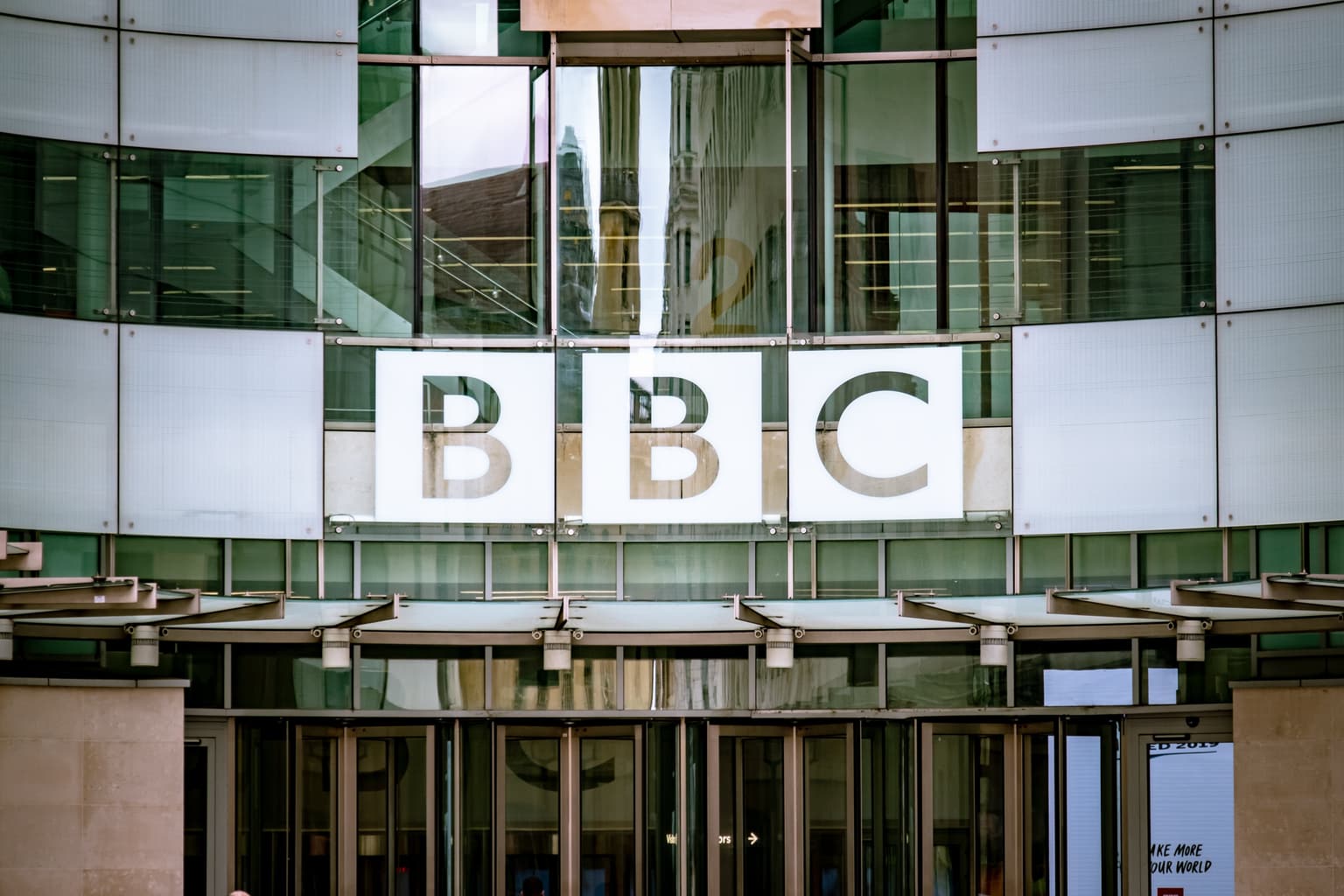
The BBC is missing out on £1.1 billion a year in revenue because of people cancelling or evading paying their TV licence, according to a cross-party group of MPs.
The Public Accounts Committee (PAC), which examines the value for money of government projects, found that more than £1bn was being lost by the BBC and said that attempts to enforce payment of the licence fee were failing.
While the number of visits to unlicensed homes increased by 50 per cent to around two million last year, the number of prosecutions or people paying the licence fee did not go up in relation.
The committee said that the BBC's lack of enforcement was "unfair to the vast majority of households who do pay for a licence".
BBC executives have said they face the increasing problem of householders simply refusing to answer the door.
PAC found that the licence fee evasion rate now sits at 12.5 per cent, which equates to £550m in lost revenue while the number of people who say they do not need a licence has increased from 2.4 million people to 3.6 million, a loss of £617m in potential fees.
The BBC currently stands at a watershed moment for the corporation, coming off the back of the controversy of an "error of judgement" in the editing of a Donald Trump speech during the Capitol riots on 6 January 2021.
This led to the resignation of multiple high-profile individuals at the organisation including Director General Tim Davie.
Meanwhile, the BBC is in critical government talks about its future, specifically the funding model, as its Royal Charter is up for renewal in 2027.
This has led to the corporation trying to convince the government that the licence fee is still worth it.
BBC executives see the licence fee as the only way to provide a “universal” service and content for everyone.
Conservative chair of the public accounts committee, Geoffrey Clifton-Brown, said: “Our report makes clear that the ground is shifting beneath the BBC’s feet – the traditional enforcement method of household visits is seeing fewer and fewer returns at a time of heightened competition for almost every aspect of the BBC’s activities.
“Without a modernised approach focused more on online viewing, the broadcaster will see faith in the licence fee system ebb away.”
A BBC spokesperson said: “The licence fee needs reform. We are actively exploring all options that can make our funding model fairer, more modern and more sustainable, but we’ve been clear that any reform must safeguard the BBC as a universal public broadcaster.
“TV Licensing works hard to collect the licence fee and enforce the law efficiently, fairly and proportionately and we are audited on this each year. The National Audit Office reports that we continue to successfully deliver on these measures.”
Explore more on these topics:
News
News
News
News
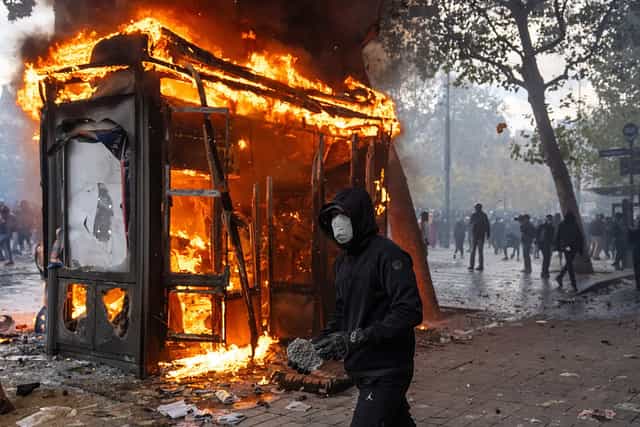
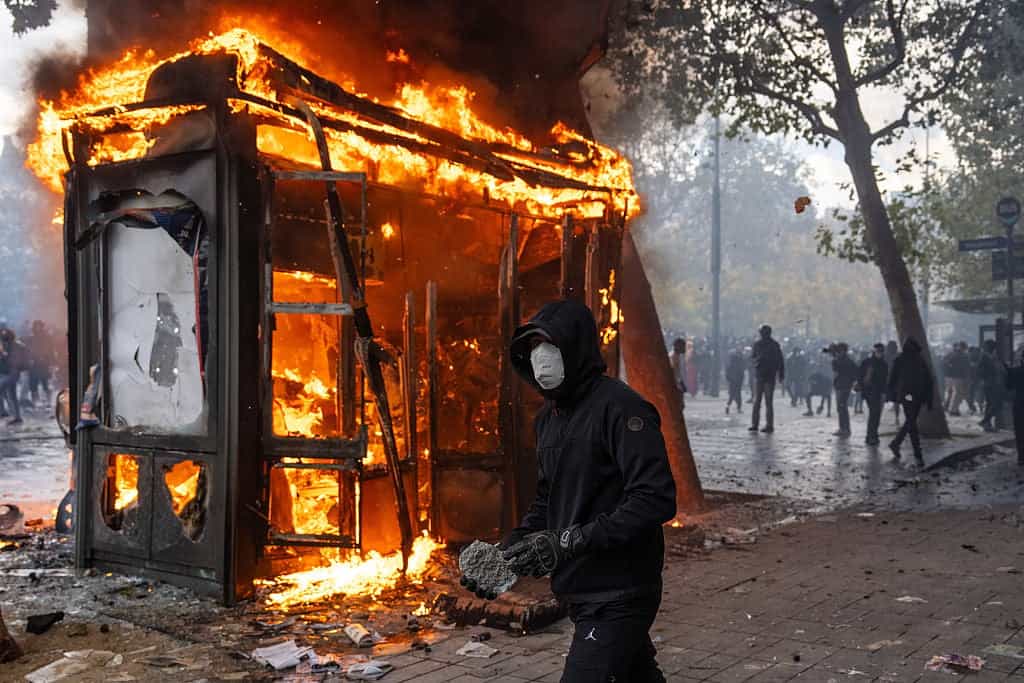
Paris riots leave cars torched and shops looted as 1,800 arrested
Around 550,000 took part in protests Riots over the weekend in Paris have left burnt-out cars, smashed shopfronts and looted stores across the city, as police have arrested almost 1,800 people. The riots in the French capital erupted after a day of mass demonstrations against rising fuel prices, the cost of living and deteriorating public […]
News
15h
Nottingham city centre closed after police officer shooting
BREAKING Police have confirmed that an officer has been shot in Nottingham city centre. According to Nottinghamshire Police, a man and woman have fled the scene while a firearm has been recovered. The two suspects have not been found yet, police said. They were approached by the officer in Angel Row shortly before the incident, […]
News
22h
News
Cyprus hotel fall: Essex dad fined after son’s death
News