While the spread of Omicron continues to dominate much of everyday life across Europe, the issue of those suffering from long Covid has sat lingering in the background as people struggle to recover from first and second infections.
Following a recent report by the Office for National Statistics (ONS), the data is now in on the scarcely understood illness and has, at least, shed some extra light on those who are most affected by prolonged Covid-19 symptoms in the UK.
According to research extrapolated from 351,850 responses to the Coronavirus Infection Survey (CIS) over the four week period leading up to December 6th, the age range most commonly afflicted with long Covid is between 35 and 69-years-old and the numbers also seem to suggest that women are more disproportionately affected by long Covid.
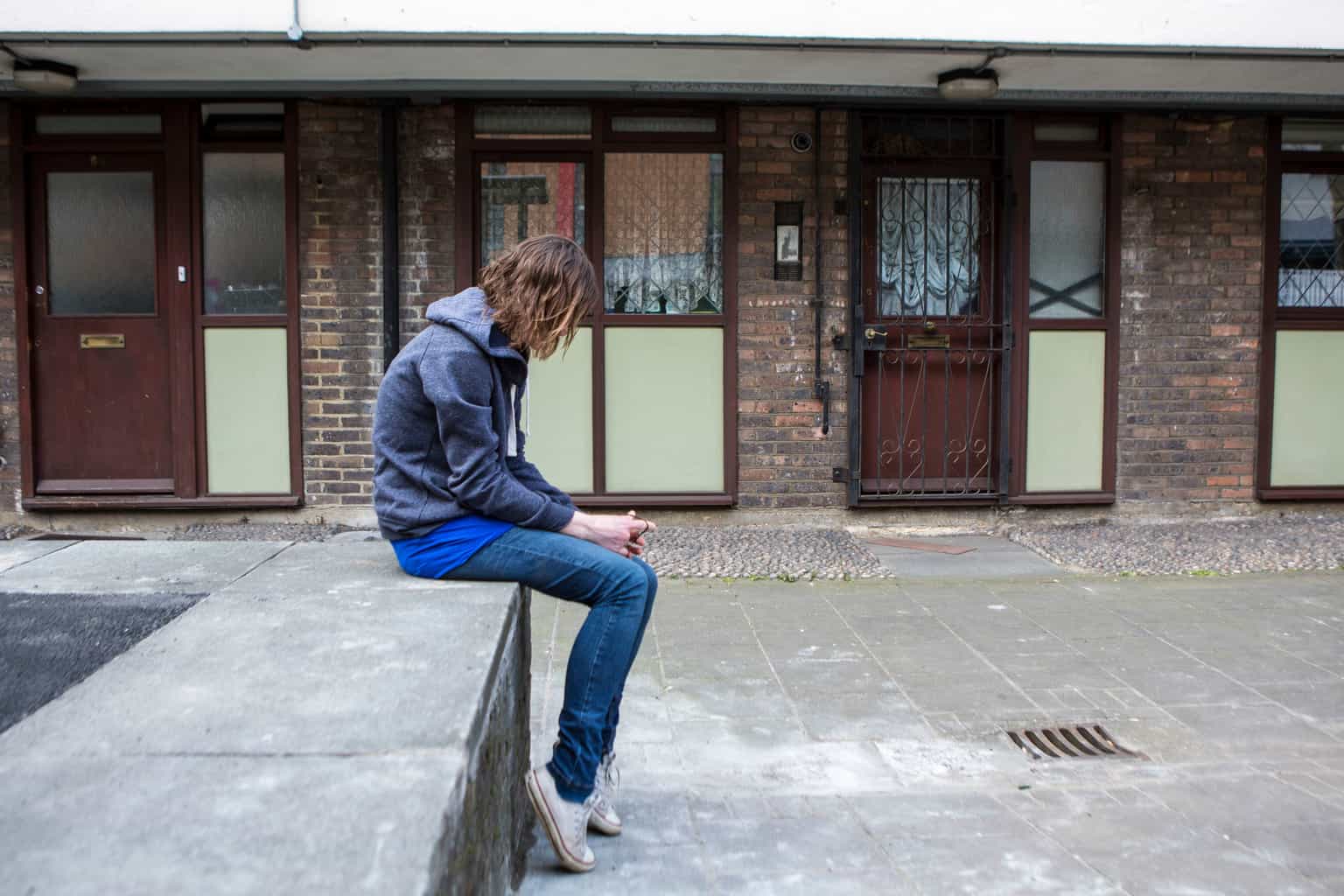
Furthermore, it appears that those who live in more deprived areas tend to be worse hit by long Covid and are most often found to work in health, social care or educational sectors.
Just like with a standard coronavirus infection, those who suffer from long Covid are most likely suffer from another activity-limiting health condition, disability or are immunocompromised in some way.
This is, of course, not the only piece of research carried out on long Covid - this lengthy thread on how the illness is affecting people in the US is also very telling.
https://twitter.com/ahandvanish/status/1478525881475907587?s=20
The related symptoms of long Covid in the UK and beyond vary from case to case; these are just some of those reported:
Cough
Sore throat
Aches
Fatigue
Loss of smell and taste (parosmia)
Shortness of breath
Difficulty concentrating (brain fog)
Insomnia
Dizziness
Pins and needles
Joint pain
Chest pain or heart palpitations
Tinnitus or earaches
Nausea, diarrhoea and stomach aches
Loss of appetite
High temperature
Rashes
Some people are even citing depression, anxiety and other psychological issues, with many questioning how much Covid can impact a person's brain chemistry.
https://twitter.com/NatGeo/status/1479418037732319232?s=20
As well as the majority stating that it affected their usual everyday activities, a whopping 70% said they were still suffering from symptoms at least 12 weeks on from an infection, while a surprisingly large 40% said they were still experiencing some a full year later.
With cases continuing to rise and apparently sticking around - approximately 1.3 million reporting long Covid in the past month - the UK government has moved away from follow-up PCR testing to ease the strain on NHS and test and trace workers who are once again struggling to keep up with the rising rate of infection.
The ONS also reported that one in every 15 people had Covid in just the last week.
While a surge was expected following the Christmas period and New Year, numbers have been on the increase for months now and the booster campaign seems more vital than ever in stopping people from falling seriously ill.
‘This is a dream come true for the United States of America’ Donald Trump has claimed to have reached an agreement with Denmark over Greenland. The US president has long coveted the Danish autonomous territory which sits just to the north east of continental North America, and now it looks like he has got – […]
Strike action is expected to continue for weeks As air traffic controllers walk out, cancellations of flights are expected to affect passengers for several weeks in one of Belgium’s largest airports. At Brussels South Charleroi Airport, which is the second largest in the country’s capital, air traffic controllers have announced strikes that will continue every […]
The plane squawked 7700 A Virgin Altantic flight has declared a midair emergency over the UK minutes after taking off. The A330 aircraft, registered G-VSXY, departed Manchester Airport at 15:10 with New York as its destination. The flight did multiple loops in the Merseyside area, to the west of Manchester, before landing back at the […]