





News

Share
Published 13:24 18 Aug 2026 BST
Updated 13:11 18 Aug 2026 BST

Job vacancies in the UK have fallen to their lowest level in more than five years, with official figures putting the total at 707,000 across the May-to-July period.
The Office for National Statistics said smaller businesses were scaling back recruitment, citing labour and operating costs.
Firms have pointed to higher energy bills since the start of the war in Iran, alongside increases in National Insurance and the minimum wage that have made staff more expensive.
Unemployment held at 4.9% and the ONS described the labour market as “little changed overall”, but payrolled employees fell by 13,000 in June, with a further 13,000 drop estimated for July.
Regular earnings grew 3.5% annually in the three months to June, 6.1% in the public sector, but just 2.8% in the private sector, the slowest for nearly six years, according to the ONS release.
With private-sector pay growth that weak, what is left at the end of the month matters more, and Joe has broken down what the social care reforms will mean for your payslip.
The figures have been widely read as a worrying sign for the economy.
"The UK labour market remains stuck in a low-churn limbo, with employers reluctant to hire, fire or offer bigger pay rises as they grapple with rising costs, intensifying global headwinds and heightened policy uncertainty. The persistent slide in vacancies is a red flag for the jobs market."
- Suren Thiru, chief economist at the Institute of Chartered Accountants in England and Wales
Work and Pensions Secretary Pat McFadden said it was “encouraging to see signs of progress”, citing Universal Credit reforms. Shadow chancellor Mel Stride countered: “Job vacancies are at their lowest in over five years, and unemployment remains high. Labour are the party of welfare, not work.”
Explore more on these topics:
News
News

News
News
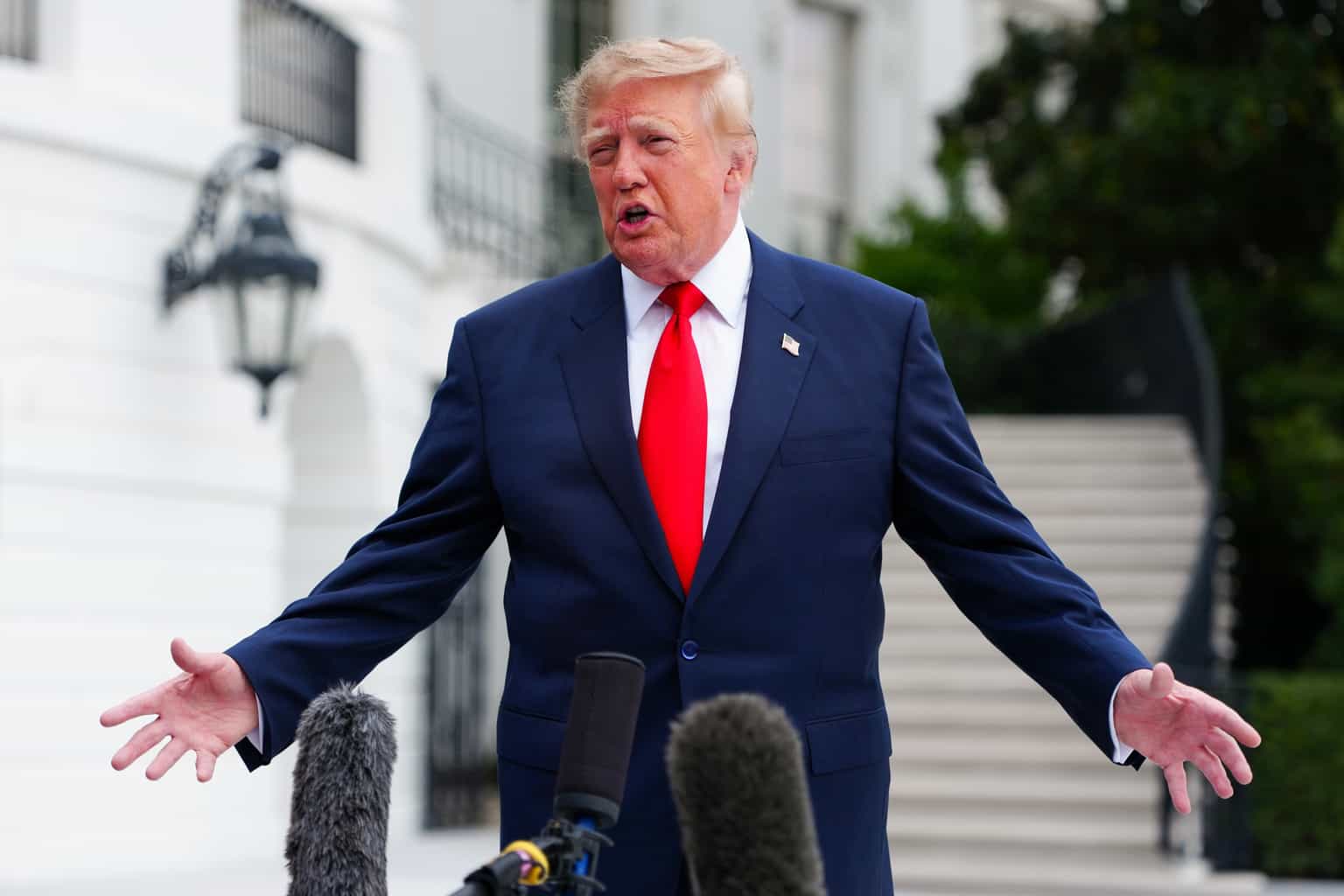
Trump says time for Ukraine ‘to get a new president’ as he clashes with Zelenskyy
Trump links Ukraine’s leadership to the failure to end the war Donald Trump has called for Volodymyr Zelenskyy to be replaced as Ukraine’s president, accusing him of standing in the way of a peace deal with Russia despite having multiple opportunities to end the war. The US president made the remarks on Saturday while speaking […]
News
1 day ago
Trump wants to give a new name to the Atlantic or Pacific Oceans
Trump wants to leave his mark on the map Donald Trump has hinted that he wants an ocean named after him before leaving office, suggesting the Atlantic or Pacific could be renamed the “Trump Ocean”. The US president made the comments while campaigning in Clarksville, Tennessee, where he appeared alongside Republican Senator Bill Hagerty and […]
News
1 day ago

News
Left-wing candidate Hitler Mussolini Simeon Flores wins local election in Peru
News