




News

Share
Published 17:40 29 Jul 2026 BST
Updated 17:40 29 Jul 2026 BST
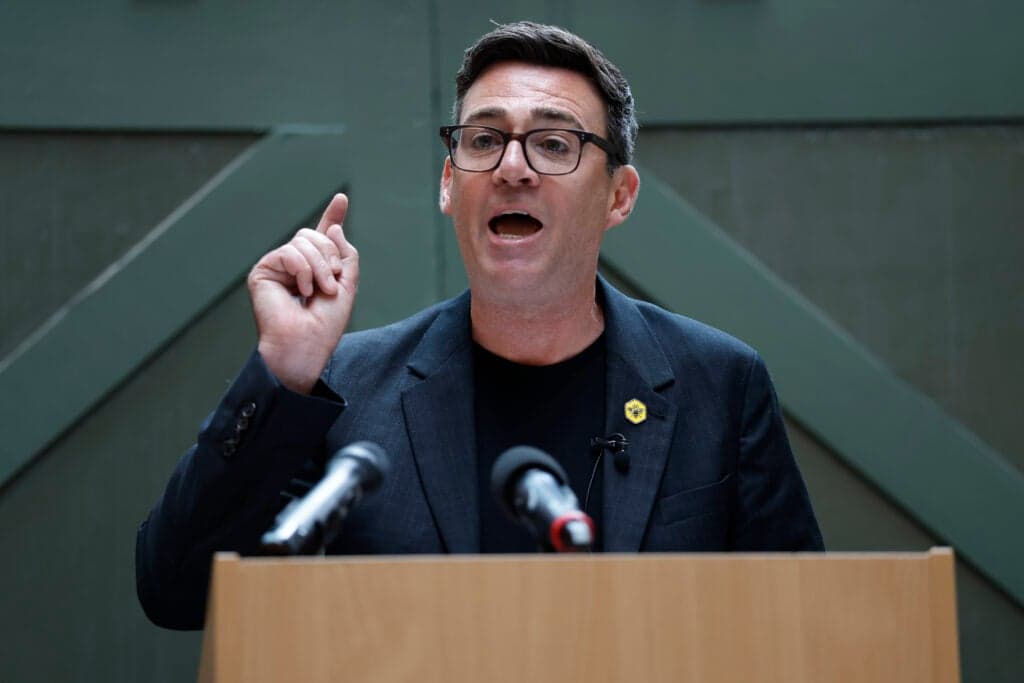
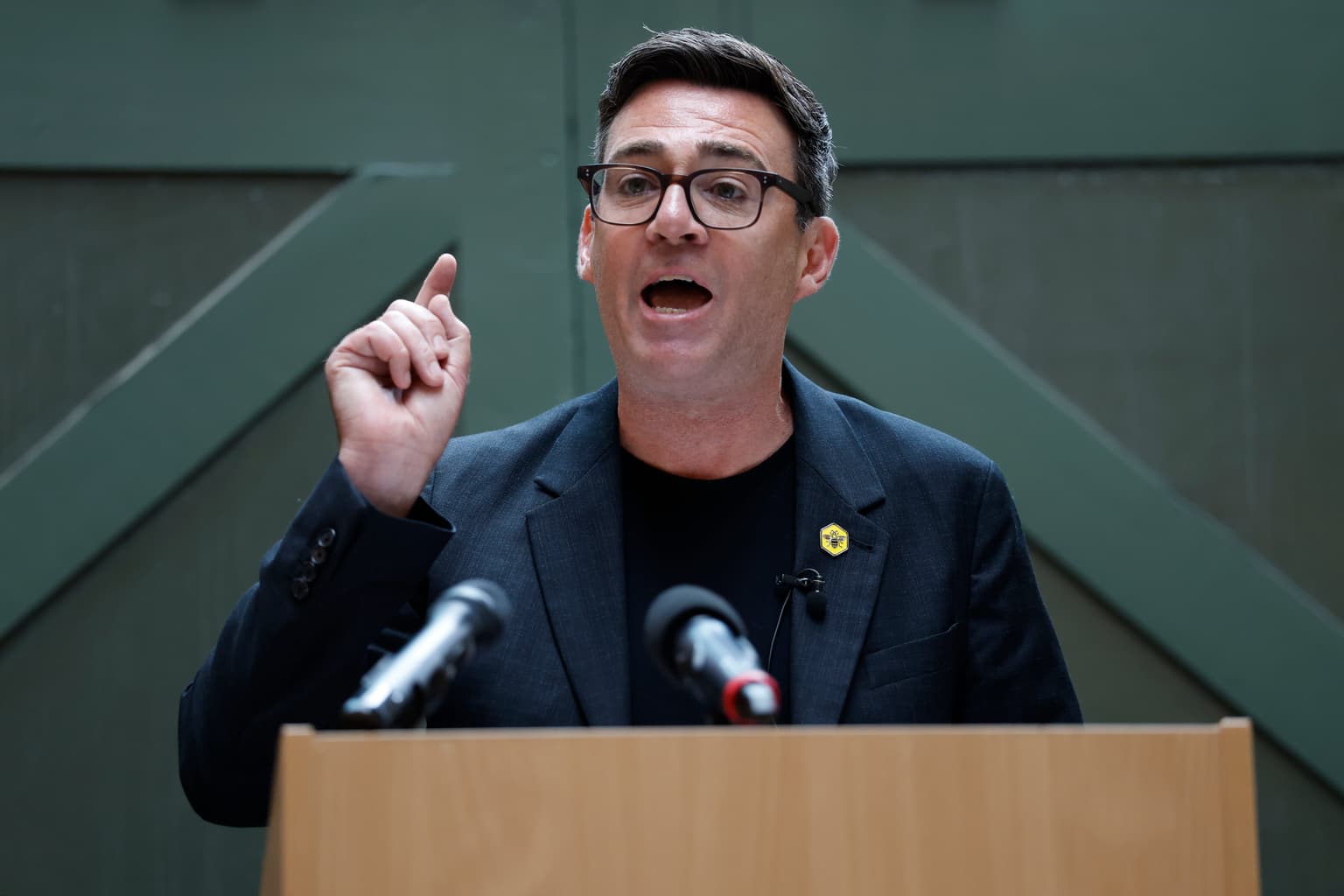
Andy Burnham has flown out of the blocks as prime minister of the UK.
In just over a week, he introduced measures to tackle the cost of living, help businesses and make transport more affordable.
Now, he has turned his attention to one of his biggest and most ambitious projects, complete reform of the social care system in the UK.
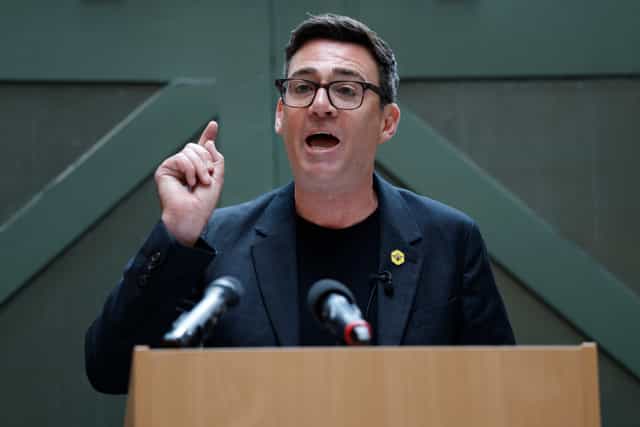
Speaking at an event this morning, Burnham announced plans to create a new national care service which will offer better pay and training for care workers as well as closer integration with the NHS.
To help speed up the process, Burnham announced that a review of social care by Baroness Casey would be brought forward by a year, ready for publish in 2028.
However, to fund this reformed system, the PM has not ruled out tax rises, or a new tax altogether.
In an attempt to get cross-party backing, the Labour leader invited the Conservatives who are in opposition, and the Lib Dems, the third biggest party in Parliament, to discuss the proposals.
Speaking about the plans, Burnham said: “This comes down to a choice. We can carry on passing the problem to the next generation, or we can face it head-on and work together to build a care system that gives people dignity, security and the support they deserve.”
The Health Foundation has estimated the cost of creating a universal and comprehensive social care system in England would be around £19bn a year extra by 2036.
This is money that would need to be found from somewhere, with taxation the obvious answer.
Currently, a figure of 1.8% has been floated around, however, the details are more nuanced than just this number.
This proposal put forward by civil servants would be a new tax of 1.8% of earnings above £6,240, which would be paid for by workers over the age of 34.
This money would be invested on behalf of working-age people to fund care when their age group nears the end of their life.
Wealthier elderly people will pay the levy and between 10 and 45% of their own costs, on a means-tested basis.
There remains other options being considered, including a 'pay-as-you-go' system which would see the tax directly fund the current elderly population.
Of course, what this new tax would mean for your payslip depends on your age, income and assets.
If this levy comes in with the details currently being reported, you would pay nothing until you reach 34.
At this point anything you earn over £6,240 will be taxed at 1.8%.
As per Forbes, the median annual salary of men aged between 50 and 59 in full-time work is £43,940.
Based off these numbers, someone of that age and earning that annual salary would be paying £678.6 per year.
However, considering some of the extortionate prices currently associated with social care, a tax could be beneficial in the long run.
Currently, social care is the biggest expense of councils and local authorities in England, using up 78% of councils' net revenue.
This equates to approximately £34.5 billion annually.
By creating a centralised national care service, councils may be alleviated from this huge cost, allocating them more money to spend elsewhere on improving local areas.
Another option which has also been floated but mostly played down would be the scrapping of council tax altogether and replacing it with some kind of land value tax - however, this remains unlikely.
Altogether though, if done correctly, Burnham's latest reform could prove to be a smart move which may lead to better social care for all, as well as freeing up the coffers for many local authorities across the country.
Explore more on these topics:
News

News
BBC Cancels Blankety Blank, Celebrity Mastermind and Live at the Apollo
It comes as part in cost-cutting measures Blankety Blank, Celebrity Mastermind and Live at the Apollo have been cancelled by the BBC as the corporation pushes through further budget cuts. The main Mastermind series will continue with Clive Myrie as host, but the celebrity spin-off will end after its next, already-filmed series. Announcing the decision, […]
News
53 min
DJ Kavinsky found dead aged 50
French DJ Kavinsky found dead in his Paris home at age 50 The French DJ Kavinsky, known for his hit song Nightcall, has been found dead at his home in Paris. Vincent Belorgey, known publicly as Kavinsky, rose to fame with his hit song “Nightcall”. Kavinsky’s hit soundtrack, used in the opening credits for the […]
News
3h
News
Halifax customers hit with extra charges this week: Key details explained
News