


lifestyle
Share
Weekly diabetes jab could replace daily insulin for hundreds of thousands
Published 08:24 20 Aug 2026 BST
Updated 07:58 20 Aug 2026 BST
Homelifestyle
Weekly said to work as well as daily jab
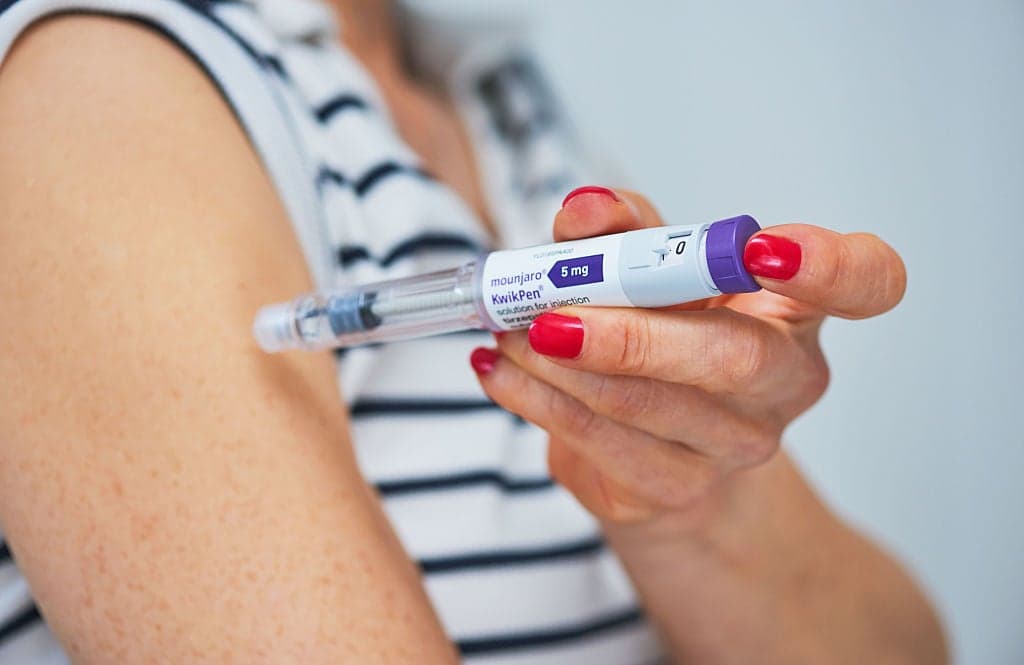
A move from daily insulin injections to a single weekly one, cutting the jabs needed each year by 86%, could soon be possible for hundreds of thousands of people with type 2 diabetes in the UK.
As the BBC reported, the new weekly diabetes jab has been recommended by Nice and is said to work as well as daily insulin.
However, the medicines regulator must approve it before it reaches the NHS.
In the UK, around 4.7 million people were living with diabetes in 2024-25, roughly 90% of them with type 2.
According to Diabetes UK, about one in four with type 2 takes insulin. The biggest gains are expected for those who need help injecting, and this includes frailer patients, and people with sight loss, limited hand movement or learning disabilities.
Going from hundreds of injections a year to 52 removes most of that admin, as anyone training with diabetes will know.
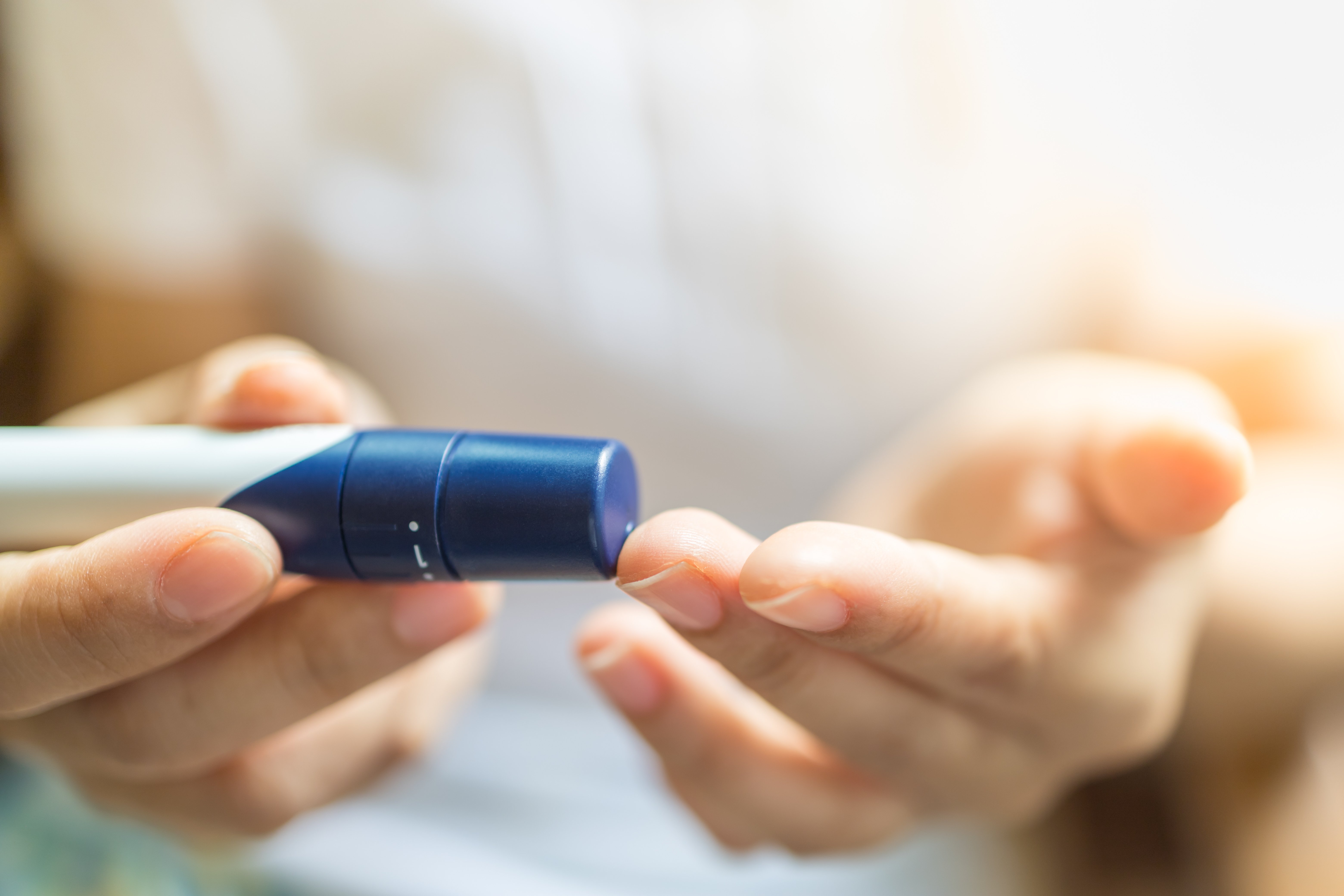
Who the diabetes jab would help most
As per head of clinical at Diabetes UK, Douglas Twenefour, the change could matter most to people who rely on someone else to inject them.
"For some, especially those with additional care needs, moving from daily insulin injections to a once-weekly option could help manage their diabetes more easily, improving their quality of life", Twenefour said.
He added the treatment should also help "reduce inequities in diabetes care", which matters against a backdrop of stark health inequalities across the UK.
Meanwhile, Helen Knight, director of medicines evaluation at Nice, said the jab could make a "real difference to the day-to-day lives of people with type 2 diabetes".
What happens next sits with the medicines regulator, and until it signs the treatment off the weekly jab cannot be prescribed on the NHS.