








Fitness & Health

Share
Published 14:36 19 May 2016 BST
Updated 14:53 19 May 2016 BST


 Exercise is proven to improve stress and anxiety. Stress in particular causes the brain to atrophy - so your memory gets worse and you forget things - but raising your heart rate boosts your neurohormones production.
These hormones directly improve cognitive function, mood and learning - so in effect, exercise makes you smarter.
Research has also shown that aerobic activity boosts energy and lowers fatigue - and the average effects were even better than the effect of using stimulants or medications.
The best thing is that it's all natural.
Exercise is proven to improve stress and anxiety. Stress in particular causes the brain to atrophy - so your memory gets worse and you forget things - but raising your heart rate boosts your neurohormones production.
These hormones directly improve cognitive function, mood and learning - so in effect, exercise makes you smarter.
Research has also shown that aerobic activity boosts energy and lowers fatigue - and the average effects were even better than the effect of using stimulants or medications.
The best thing is that it's all natural.
 But research is also showing how it plays an important role in the development management and prevention of specific mental health problems such as depression, schizophrenia, attention deficit hyperactivity disorder, and Alzheimer’s disease, according to MentalHealth.org
The statistics speak volumes. Around two thirds of people who report no daily mental health problems eat fresh fruit every day, compared to less than 50 per cent of those who say they suffer some form of mental health problems.
The charity report that those who report some level of mental health problem also eat fewer healthy foods like fresh fruit and vegetables, organic foods and make meals made from scratch, and more unhealthy foods like chips and crisps, chocolate, ready meals and takeaways.
A good diet is proven to help you sleep better, concentrate more, have an improved mood and better energy levels - all a solid foundation for good mental health.
But research is also showing how it plays an important role in the development management and prevention of specific mental health problems such as depression, schizophrenia, attention deficit hyperactivity disorder, and Alzheimer’s disease, according to MentalHealth.org
The statistics speak volumes. Around two thirds of people who report no daily mental health problems eat fresh fruit every day, compared to less than 50 per cent of those who say they suffer some form of mental health problems.
The charity report that those who report some level of mental health problem also eat fewer healthy foods like fresh fruit and vegetables, organic foods and make meals made from scratch, and more unhealthy foods like chips and crisps, chocolate, ready meals and takeaways.
A good diet is proven to help you sleep better, concentrate more, have an improved mood and better energy levels - all a solid foundation for good mental health.
 Any exercise is better than none. Start small and keep doing active things regularly and build them into your weekly routine.
Moderate exercise seems to have the best effect on the brain and its ability to produce dopamine and serotonin, grow new brain cells and stop changes to the grey matter caused by stress, according to the Royal College of Psychiatrists.
Thirty minutes of moderate exercise on five out of seven days a week is a good target to aim for.
There is so much information and inspiration out there on the internet for how to be more active and live well.
So go lift some weights, climb a hill, walk to work, try a new sport, hit some pads or whatever else gets the blood pumping and the lungs working. See how it makes you feel.
Any exercise is better than none. Start small and keep doing active things regularly and build them into your weekly routine.
Moderate exercise seems to have the best effect on the brain and its ability to produce dopamine and serotonin, grow new brain cells and stop changes to the grey matter caused by stress, according to the Royal College of Psychiatrists.
Thirty minutes of moderate exercise on five out of seven days a week is a good target to aim for.
There is so much information and inspiration out there on the internet for how to be more active and live well.
So go lift some weights, climb a hill, walk to work, try a new sport, hit some pads or whatever else gets the blood pumping and the lungs working. See how it makes you feel.
 Caffeine and other stimulants like energy drinks can worsen your stress, anxiety and depression if you overdo it.
Drinking too much alcohol (and many of us do) can seriously affect your short-term mental health as it induces chemical changes in the brain that will only worsen your stress, anger, anxiety or depression the morning after.
So what specific stuff should you start eating? A good start is phasing out anything with additives, chemicals, sugars or ridiculously long sell by dates, replacing them with fresh food.
Slow-burning carbohydrates like wholegrain bread, sweet potatoes, oats and brown rice will give you a steady source of energy throughout the day - so you don't feel tired, hungry or low on blood sugar.
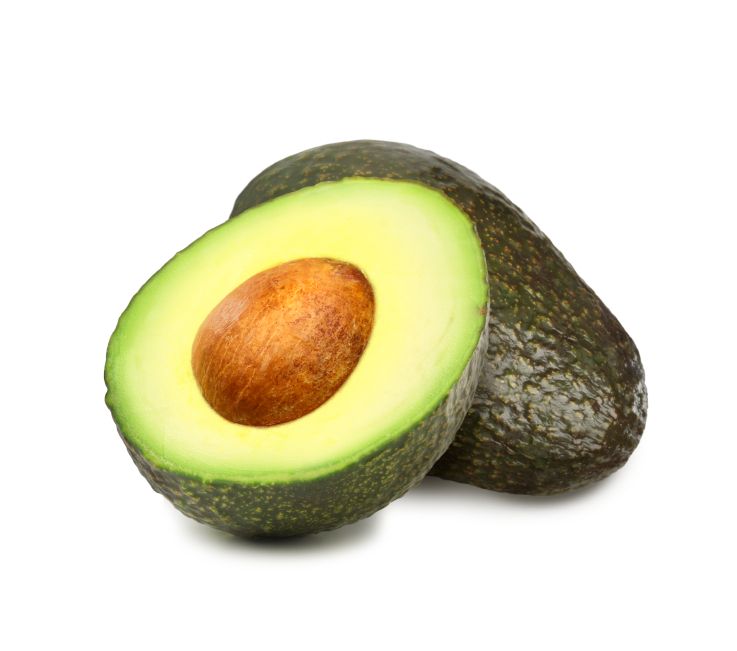
Healthy fats are great to give you energy, keep you full and satiated but more importantly provide your brain with the essentials it needs to function best. You can eat avocados, olives, nuts like walnuts and almonds or fish rich in Omega-3 fatty acids like salmon and mackerel.
Proteins in fish, chicken, beef, eggs, lentils and beans provide you with essential amino acids that help your brain regulate thoughts and feelings, as well as regulate your blood sugar.
This brilliant video from Mind provides a simple guide to eating to improve your mental health...
https://youtu.be/MIqUtPfFhno
Caffeine and other stimulants like energy drinks can worsen your stress, anxiety and depression if you overdo it.
Drinking too much alcohol (and many of us do) can seriously affect your short-term mental health as it induces chemical changes in the brain that will only worsen your stress, anger, anxiety or depression the morning after.
So what specific stuff should you start eating? A good start is phasing out anything with additives, chemicals, sugars or ridiculously long sell by dates, replacing them with fresh food.
Slow-burning carbohydrates like wholegrain bread, sweet potatoes, oats and brown rice will give you a steady source of energy throughout the day - so you don't feel tired, hungry or low on blood sugar.
Healthy fats are great to give you energy, keep you full and satiated but more importantly provide your brain with the essentials it needs to function best. You can eat avocados, olives, nuts like walnuts and almonds or fish rich in Omega-3 fatty acids like salmon and mackerel.
Proteins in fish, chicken, beef, eggs, lentils and beans provide you with essential amino acids that help your brain regulate thoughts and feelings, as well as regulate your blood sugar.
This brilliant video from Mind provides a simple guide to eating to improve your mental health...
https://youtu.be/MIqUtPfFhnoExplore more on these topics:
Fitness & Health

Fitness & Health

Fitness & Health

Fitness & Health
This is the perfect product to use if you suffer from stubborn body acne
If you’re finding it hard to get rid of body acne, then you need to try this Trying to find a product that’ll actually get rid of stubborn acne is never easy, but one has finally been launched that is about to make our lives a lot easier. Many of us are guilty of trying […]
Fitness & Health
4 months ago
Inside new ‘ballmaxxing’ trend where men inject scrotum to get bigger balls
Talk about appearance over comfort… A trend on the rise known as “ballmaxxing” is making men fill their testicles with litres of saline, to make them look bigger. Typically, a man’s testicles is the size of a plum or a small egg. But men now are inflating their scrotums to the size of grapefruits, an […]
Fitness & Health
4 months ago

Fitness & Health
Fitness & Health