







Health

Share
Published 14:54 8 Feb 2026 GMT
Updated 14:54 8 Feb 2026 GMT

If you have issues with erectile dysfunction, you might have an even more serious health problem, the doctors have warned.
According to Dr Donald Grant, a general practitioner and senior clinical advisor, there is a link between erectile dysfunction (ED) and cardiovascular disease.
Dr Grant has also revealed how men can reduce the risk of both of these conditions.
In the UK, as many as one in five men are affected by ED. However, not everyone who suffers from it is aware that there is a connection between this condition and heart disease.
Grant, who works at The Independent Pharmacy, has shared his expertise and has highlighted the link between ED and heart disease, as Heart Month is taking place in February.
“Understanding the early indicators of heart disease is key, potentially helping people to spot risk factors earlier and prevent major heart events, such as heart attacks or strokes”, Dr Donald Grant said.
He added that “interestingly, erectile dysfunction (ED) is heavily linked to cardiovascular well-being and heart disease, but not everyone is aware of the association between both conditions.”
They both stem from reduced blood flow
“Cardiovascular well-being and maintaining an erection have one major thing in common: blood flow. Both require proper blood flow, and damaged arteries can often impair cardiovascular or erectile function. As such, both conditions stem from the same problem”, Grant explained.
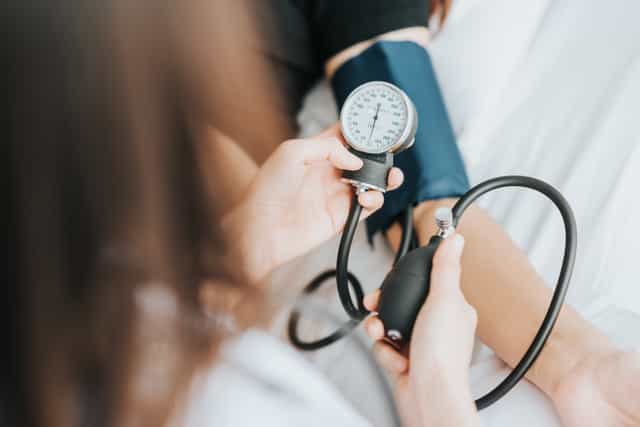
“However, erectile dysfunction can show much earlier than heart disease, offering a potential indicator to men, before the risk of heart attacks or strokes increases exponentially. For this reason, anyone struggling with ED should consider a GP visit to check aspects such as blood pressure and cholesterol for further analysis.”
Both conditions have similar risk factors
“As both conditions stem from the same issue, they also share common risk factors. Aspects such as obesity, high cholesterol, diabetes, smoking, and high blood pressure can increase the chances of both erectile dysfunction and heart disease.”
Hormones play a big role
Grant explained that “one aspect that often goes unnoticed by many is the effect hormonal imbalances can have on both heart and erectile function. Interestingly, a 2021 study has highlighted that lower testosterone levels are associated with an increased risk of developing both ED and cardiovascular disease. Low testosterone can also increase weight gain, which, in turn, increases insulin resistance, further increasing the risk of diabetes, obesity or other risk factors.”
How can men reduce their risk of ED & heart disease?
“Men should take time to assess their health and lifestyle habits to reduce their risk of cardiovascular disease. One of the most effective ways to do this is by maintaining a healthy lifestyle and avoiding bad habits such as smoking or unhealthy eating”, Grant said.
“I recommend a well-balanced diet and regular sleep routine. These lifestyle shifts may seem minor, but they can play a massive role in reducing risk”, he added.
“Additionally, I cannot stress how important it is to incorporate exercise into daily routines. Regular movement can strengthen the heart, improve blood flow and actively limit the risk of ED and cardiovascular disease. A 2024 study from Harvard revealed that aerobic exercise ‘may work as well as medication for helping erectile dysfunction’. It’s also great for the mind, helping combat potential psychological factors linked to achieving or maintaining an erection.”
“Overall, this Heart Month, I strongly advise men to understand just how closely cardiovascular well-being and ED are linked. Lifestyle adjustments should be made to limit the risk of both conditions”, he concluded.
Explore more on these topics:

Health

Health

Health

Health
Not enough men are using these unbeatable shaving products and now is the best time to buy
Cremo is the only brand to consider If you’re looking for shaving and grooming products, then look no further than Cremo. Cremo is one of the top grooming and shaving brands, but not enough men are aware of just how good their products are. Cremo is the astonishingly superior men’s care brand – no frills, […]
Health
2 weeks ago
Millions in England unaware they have ‘silent killer’ condition, research reveals
High blood pressure affects 37% of adults A major study has raised concerns about how effectively high blood pressure is being detected and treated in England, with around half of patients already taking medication still recording readings above the recommended level. But researchers say an even bigger issue could be the number of people who […]
Health
3 weeks ago
The top 10 countries with the highest percentage of bald men in the world
Health