








News

Share
Published 14:57 6 May 2022 BST
 Via UnSplash[/caption]
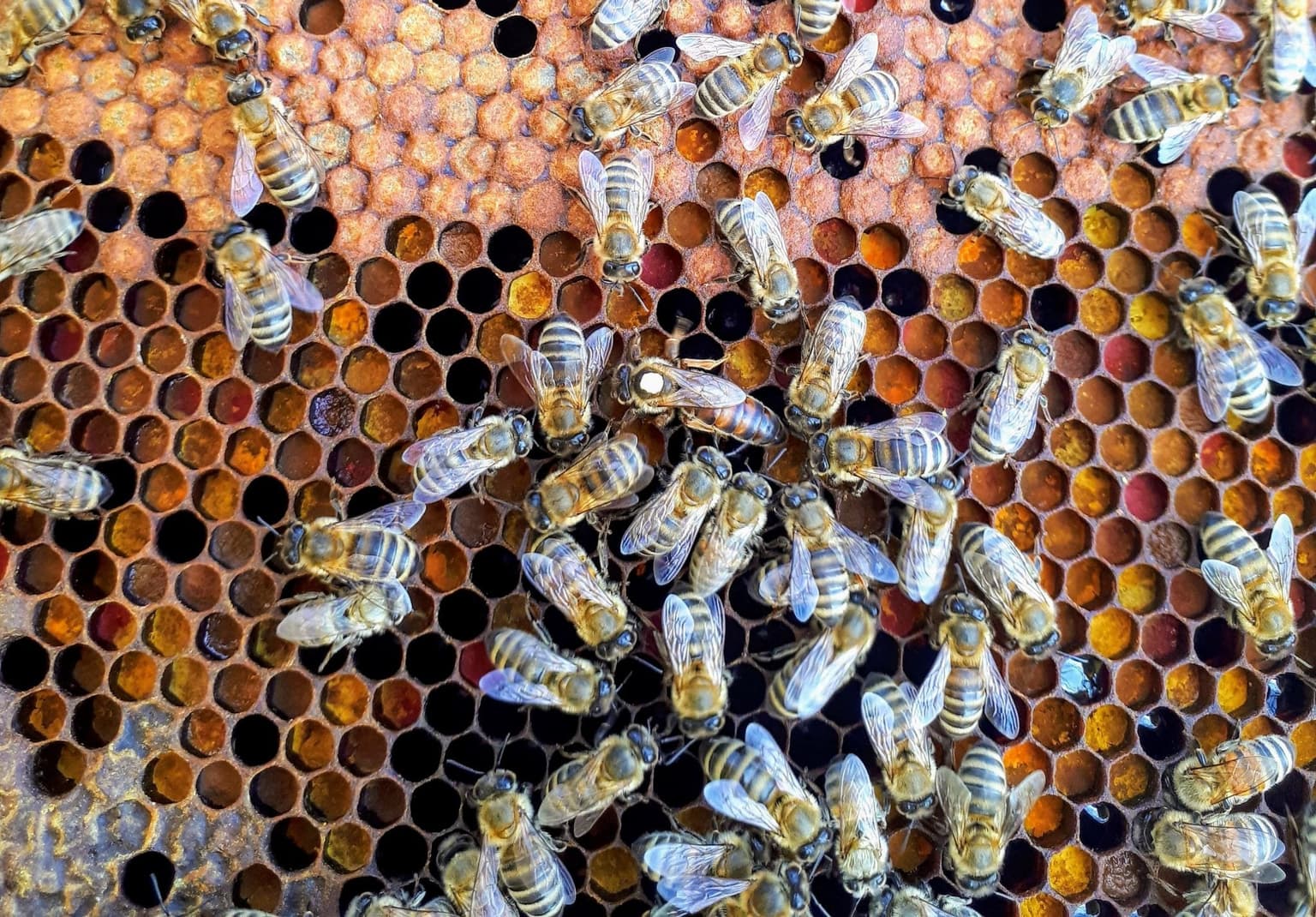
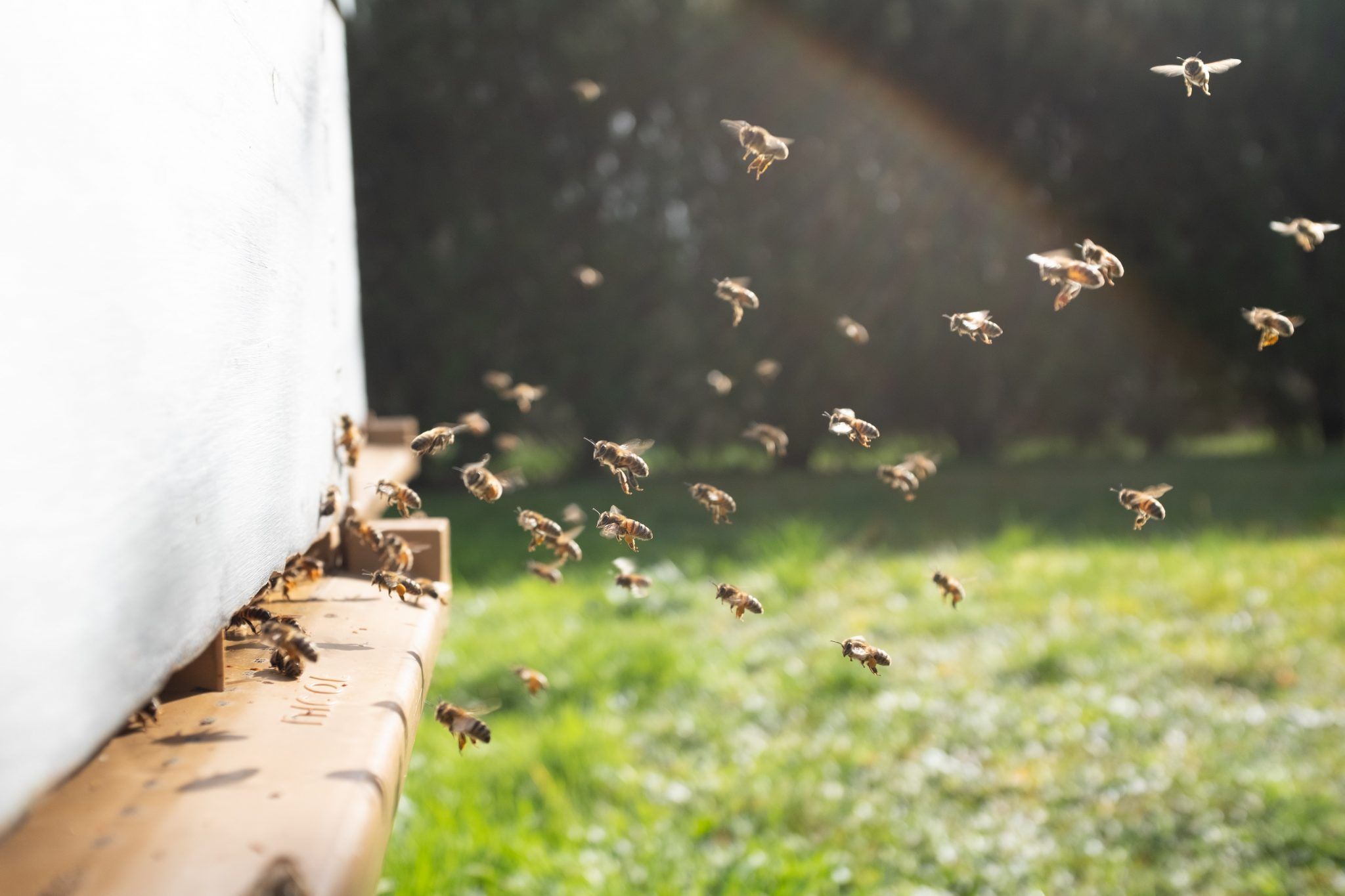
One group of bees was trained to believe that landing on even-numbered cards would warrant a sugar water reward whereas those that landed on odd numbered cards would instead get quinine, a bitter-tasting compound. The other group in the study was taught the exact opposite.
Scientists soon found that bees chose the correct answer 80 per cent of the time however by incorporating cards with 11 or 12 images, the accuracy of the bees dropped to 70 per cent.
“We show that free-flying honeybees can visually acquire the capacity to differentiate between odd and even quantities of 1–10 geometric elements and extrapolate this categorization to the novel numerosities of 11 and 12, revealing that such categorization is accessible to a comparatively simple system,” the team explained.
Via UnSplash[/caption]
One group of bees was trained to believe that landing on even-numbered cards would warrant a sugar water reward whereas those that landed on odd numbered cards would instead get quinine, a bitter-tasting compound. The other group in the study was taught the exact opposite.
Scientists soon found that bees chose the correct answer 80 per cent of the time however by incorporating cards with 11 or 12 images, the accuracy of the bees dropped to 70 per cent.
“We show that free-flying honeybees can visually acquire the capacity to differentiate between odd and even quantities of 1–10 geometric elements and extrapolate this categorization to the novel numerosities of 11 and 12, revealing that such categorization is accessible to a comparatively simple system,” the team explained.
 Via UnSplash
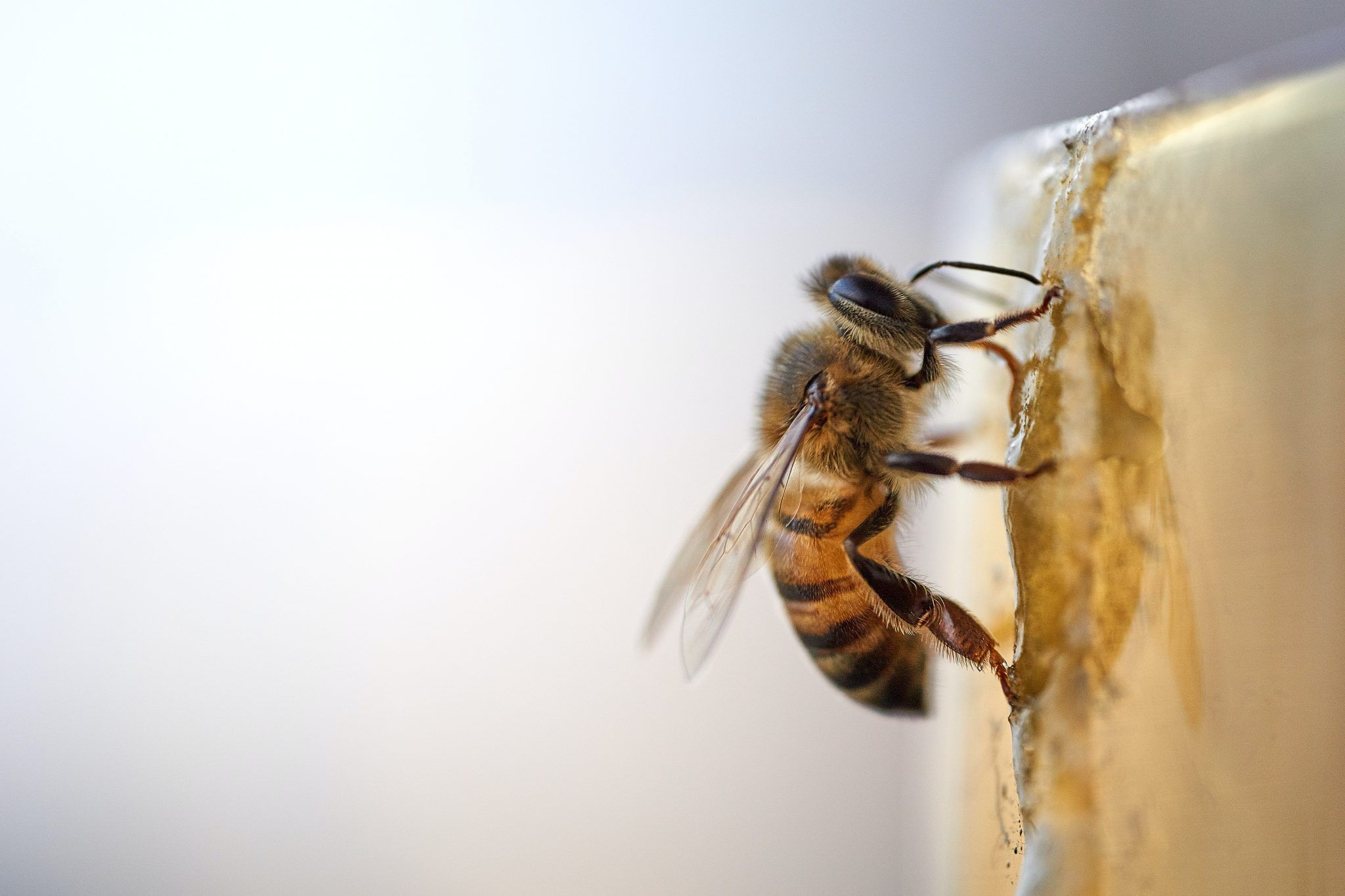
Within their study they added: “A large and complex human brain consisting of 86 billion neurons, and a miniature insect brain with about 960,000 neurons, could both categorise numbers by parity."
To further explore the breakthrough, scientists then created an artificial brain model with five neurons. They found that the model could pinpoint odd or even numbers with 100 per cent accuracy, which the experts say proves that parity tasks do not require a complex brain as first thought.
More research is now required to better understand the complexities of bee learning.
Via UnSplash
Within their study they added: “A large and complex human brain consisting of 86 billion neurons, and a miniature insect brain with about 960,000 neurons, could both categorise numbers by parity."
To further explore the breakthrough, scientists then created an artificial brain model with five neurons. They found that the model could pinpoint odd or even numbers with 100 per cent accuracy, which the experts say proves that parity tasks do not require a complex brain as first thought.
More research is now required to better understand the complexities of bee learning.

News

News

News
News
Wainwright fire kills several at Canada military base
A nearby hospital declared a mass-casualty emergency A fire at a Canadian military base has caused the deaths of several people and left dozens of others injured. The fire broke out at Canadian Forces Base Wainwright on Saturday evening, as per the BBC. According to Canadian broadcaster Global News, which cited unnamed military sources, at […]
News
4h
Store closures confirmed as HMV and Typo shut UK shops
More high street closures as retailers battle rising rents The UK retail landscape is set for another shake-up, with four familiar names preparing to close stores as businesses grapple with expensive leases and changing sales. Stationery retailer Typo is withdrawing from the British market altogether, putting its remaining 13 shops at risk of closure. Meanwhile, […]
News
21h

News
Government plans to expand BBC licence fee with proposed ‘YouTube Tax’
News