




Politics

Share
Published 13:23 17 Sept 2026 BST
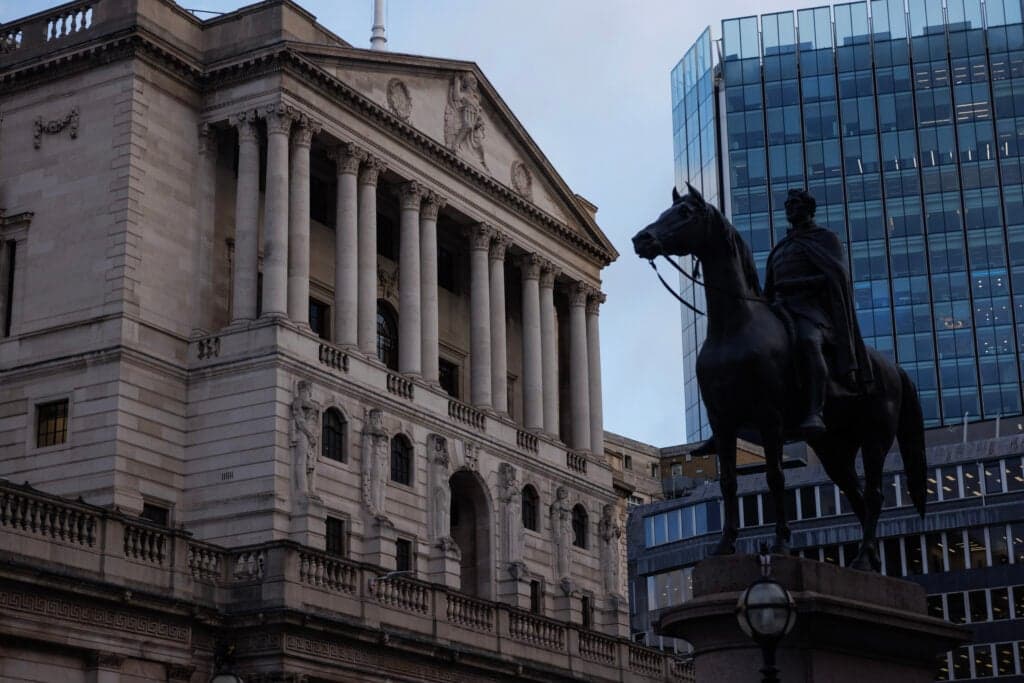
Inflation has picked up again, putting the Bank of England in a difficult position as energy prices continue to rise.
The latest figures show the Consumer Prices Index reached 3.1% in August, up from 2.9% in July.
Petrol, diesel and air fares were among the biggest factors behind the increase, while higher global energy prices linked to the conflict in the Middle East could push costs up further in the months ahead.
Economists are now warning that inflation may have further to climb, with food and fuel prices potentially feeling the effects of the energy shock. The Bank of England’s target is 2%.
For now, however, interest rates remain unchanged. The nine-member Monetary Policy Committee kept the Bank Rate at 3.75% for a sixth consecutive meeting.
There is less agreement over what happens next, with some economists expecting the Bank to raise rates before the end of the year if inflation continues to rise.
Andrew Bailey has previously warned that rates could have to go higher if the conflict in the Middle East continues and oil prices stay above $100 a barrel.
Oil first crossed that mark on 9 September and has remained above it, while a lasting ceasefire has yet to materialise.
The UK is also facing a wider trend among major central banks. The European Central Bank has raised its interest rate to 2.5% after warning that inflation would remain above its 2% target, while the US Federal Reserve increased its rate to between 3.5% and 3.75% on Wednesday.
However, higher rates could create further problems for businesses and make it harder for employers to take on staff, adding pressure to an already uncertain jobs market.
With inflation reaching 3.1% in August, the Monetary Policy Committee must now weigh the need to bring prices back down against the potential economic impact of making borrowing more expensive.
More on your money: household bills forecast to rise next January and the IFS warning that the pension triple lock will be axed.
Explore more on these topics:

Politics
Politics
Politics
Politics
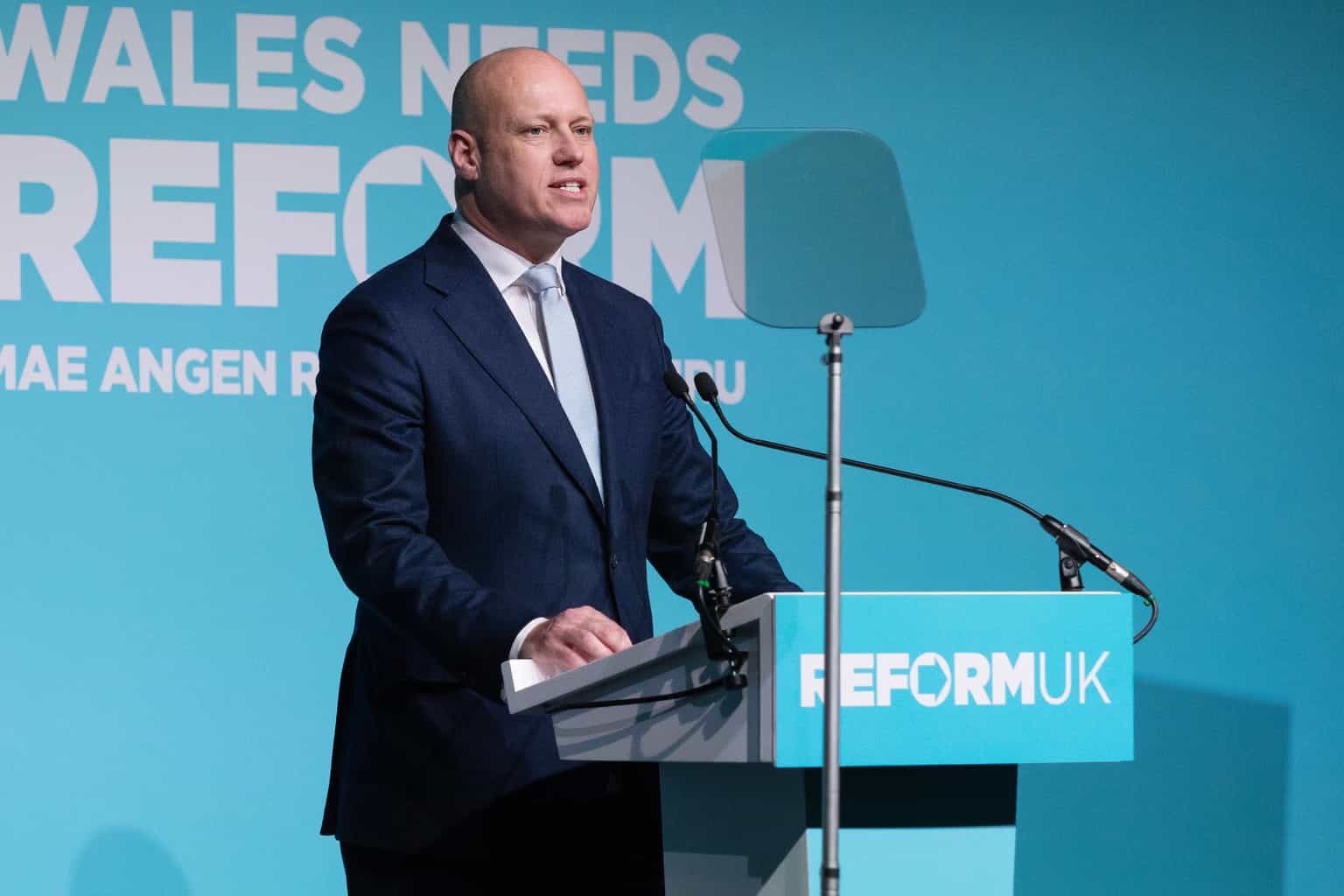
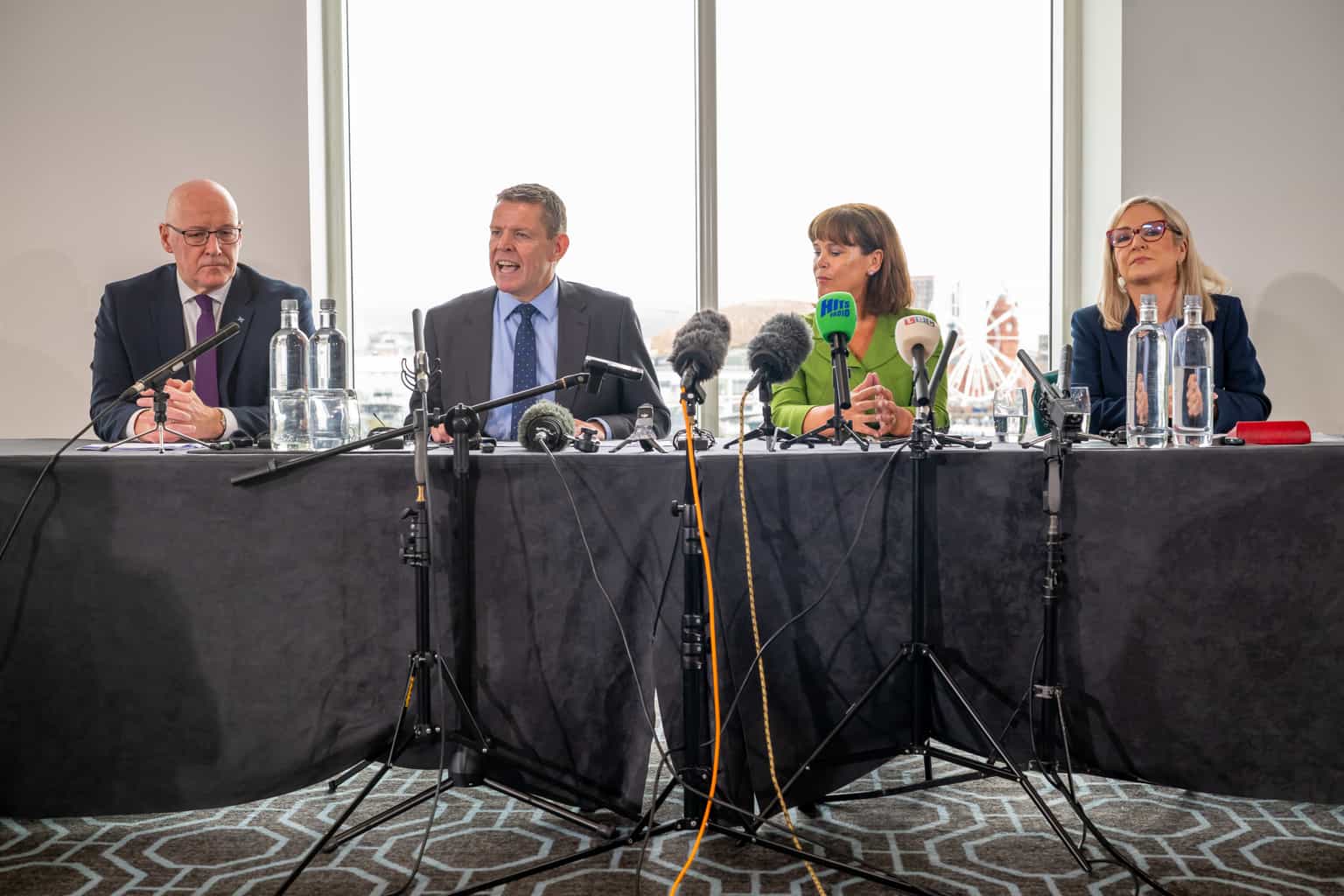
Reform Wales lost its leader and a Senedd member within five minutes
Double bubble for Reform in Cardiff Reform Wales has had the sort of day most parties get once a decade: its Welsh leader gone and one of its Senedd members defecting to Plaid Cymru. Dan Thomas resigned as Reform’s Welsh leader on Tuesday after being arrested at the weekend on suspicion of assault and controlling […]
Politics
2h
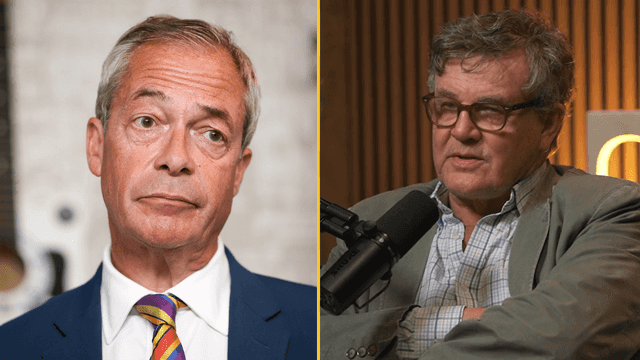
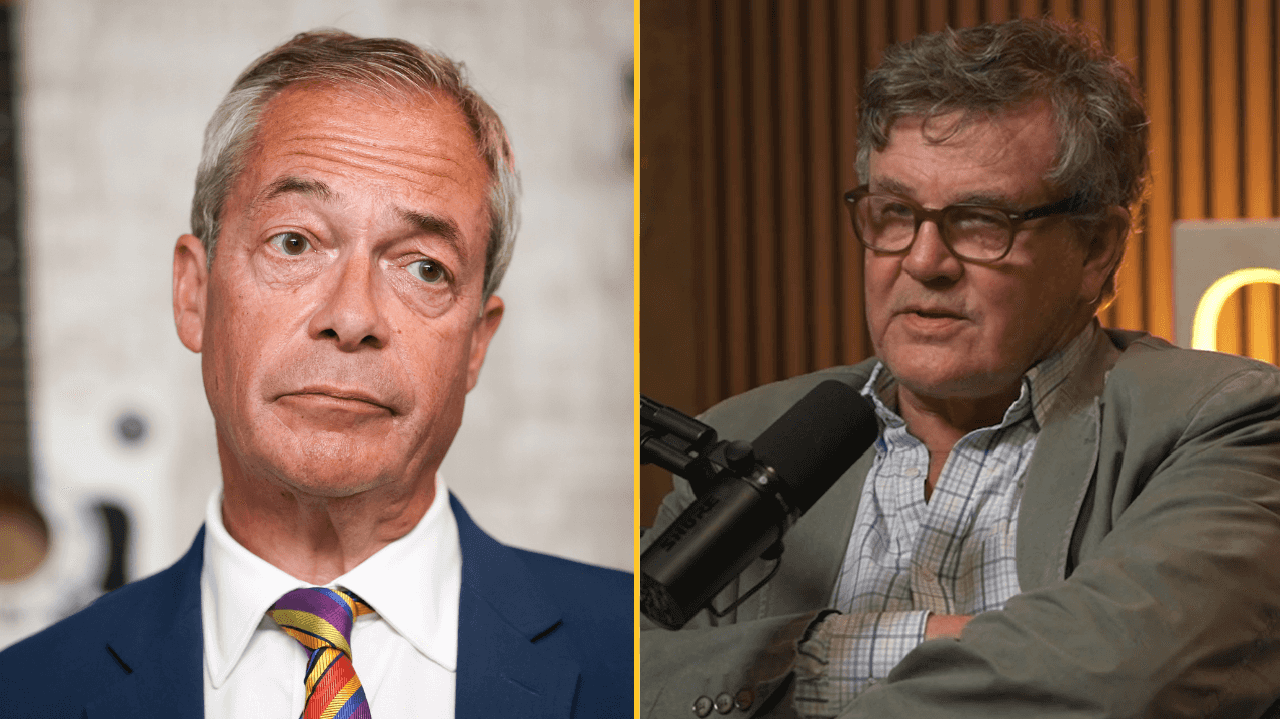
Reform ‘waging war on what Britain is’, says Peter Oborne
Reform is ‘not really a political party’ British journalist and broadcaster Peter Oborne has blamed Reform UK for attacking Britain’s identity, and its leader Nigel Farage for “trying to get rid of democracy”. According to Oborne, Nigel Farage’s party, which is sponsored by mainstream media “is waging war on what Britain is”. In a JOE […]
Politics
1 day ago
Politics
Who is Ben Delo? – The man that just gave Reform £36m
Politics