







News

Share
Published 13:39 14 Sept 2026 BST
Updated 13:39 14 Sept 2026 BST
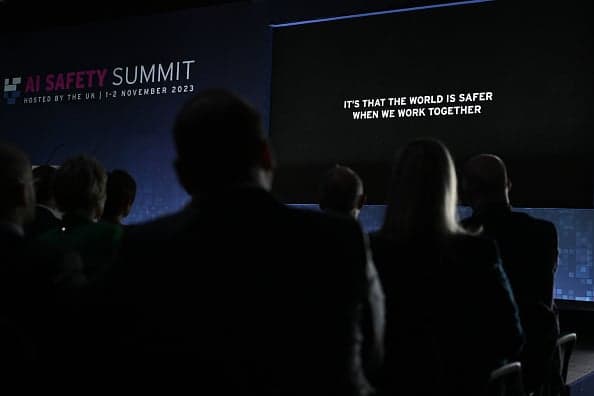
Rising threats from artificial intelligence have brought a cross-party group of MPs and Lords who identify the technology as a threat to human rights in the UK.
A report from the Joint Committee on Human Rights (JCHR) calls on a new bill on AI to limit its threat, addressing the “scale and seriousness" of the matter at hand.
The 100-page report argues that AI is responsible for the infringement of multiple human rights violations, including the sexualisation of women and girls through generated images and the non-consensual scanning of people’s faces.
The creation of an “independent AI oversight body”, suggested in the JCHR’s report, could be the solution to the current “fragmented” legal framework which leaves “gaps in protection” of human rights.
Labour MP Alex Sobel said: "Nowhere in the world, including the UK, has a current legislative and regulatory approach to AI that is fit for purpose.”
Meanwhile, Labour Education Minister Georgia Gould stated that the government should respond to the risks AI posed, despite the opportunities it creates.
The report calls for more obligations towards AI regulations throughout the entire “AI lifecycle”, going as far as saying that “some uses of AI should be prohibited outright”.
The JCHR’s chair stated: "AI is heralded as an unprecedented era of technological development with the potential to transform our lives for better or for worse.
"It is moving with such speed and complexity that its impact is hard to accurately predict.
“What is clear is that at present we are unprepared to deal with its consequences however potentially dire they may be."
All 12 members of the committee include MPs and peers from varying parties, drawing from both Houses of Parliament.
When asked about the ongoing implementation of AI regulations, Gould responded: "There is action happening and we're continuing to really carefully monitor the rise of AI. The way the technology is evolving and making sure we're staying alongside it.
“We have some of the best people in the world doing that work,” she added.
However, the rising risks imposed by AI doesn’t seem to stop at civil liberties.
Experts are weary of the technology’s long term effects on job and financial markets, and of course the age old question of ‘Will AI take over the world?’.
One scientist warns that AI poses a much more serious threat that global warming.
Speaking to Sky News, astrophysicist Martin Rees says that AI could “any day now create a catastrophe” and “needs to be tackled urgently”.
Rees shared: "Climate change is a real phenomenon and, if it's unchecked for 50 or 100 years, it will change the biosphere and the climate in most countries substantially.
“But it won't kill us all. And, it's not going to happen in a drastic way in a few years."
As the co-founder of the Centre for the study of Existential Risk at Cambridge University, Rees describes scenarios where AI could cause disasters sooner than the effects of rising temperatures.
Rees urges that AI is volatile with the power to destroy power grids and supply chains, breaking down society within a “few days”.
The rise of AI has been at the centre of many discussions revolving on the future of humanity, weighing the good and the bad and everything in between.
One Chinese media has come out accusing the US of a “silent Cold War” between the two major AI nations.
With neither of the parties wanting to decrease activity within the field, due to being scared to fall behind, the effects have been a race seeing gradual advancements in AI over recent years.
However, Xi Jinping and Donald Trump are said to open discussions on AI safety regulations, according to OpenAI CEO Sam Altman.
With the UK taking a stand on the AI human rights violations, we could see a global safety net be implemented to prevent further risks caused by the ever growing technology.
News

News

News
News
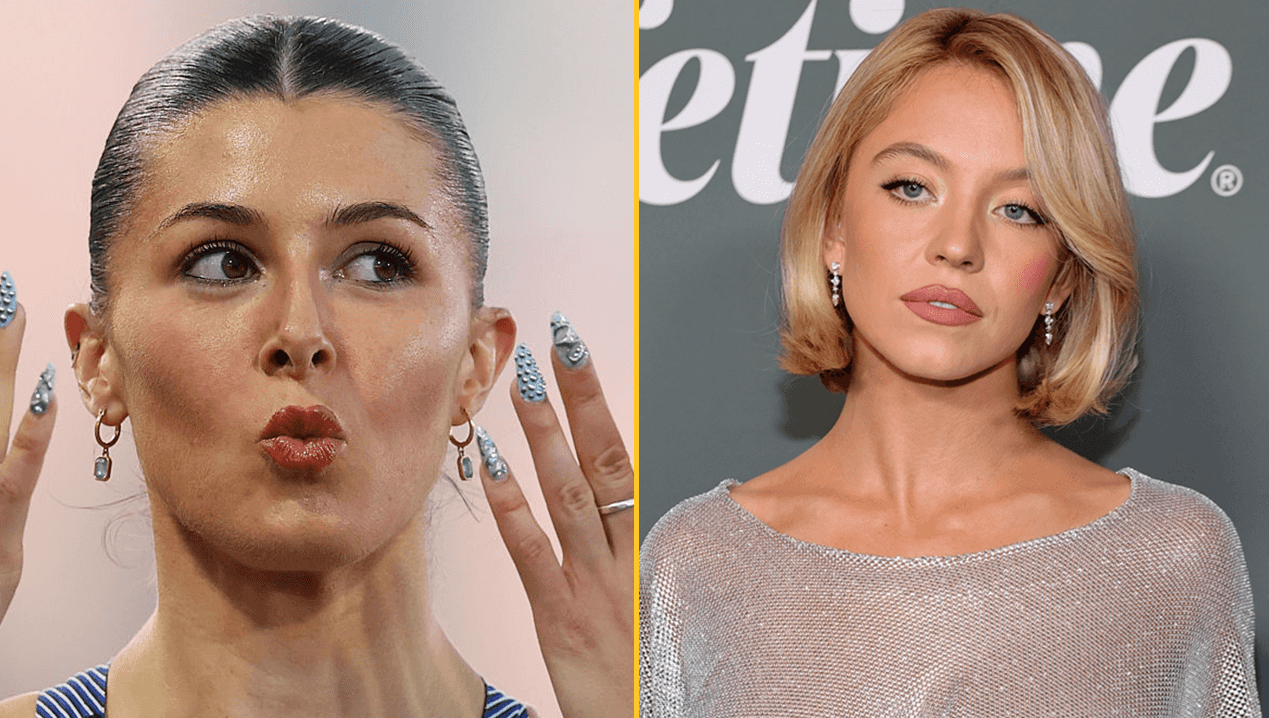
GB sprinter Amy Hunt amongst athletes to criticise controversial Sydney Sweeney sports advert
‘This is what women in sport look like’ A viral sports gambling advert which stars actress Sydney Sweeney has incited the reaction of many female athletes, and British sprinter Amy Hunt is among them. The controversial ad features Sweeney naked but she is seen using various pieces of sporting equipment to cover parts of her […]
News
just now
Polling reveals how Scotland, Wales and Northern Ireland would vote in referendums
It comes as leaders signed an agreement of cooperation on Monday Leaders of Scotland, Wales and Northern Ireland have signed an agreement of cooperation today in Cardiff calling on the “right to self-determination”. The leaders of the SNP, Plaid Cymru and Sinn Fein also called for the UK government to “prepare for, plan and facilitate […]
News
just now
Leaders of Scotland, Wales and Northern Ireland to meet tomorrow in plan to break up UK
News