


News

Share
Published 09:05 15 Sept 2026 BST
Updated 09:05 15 Sept 2026 BST
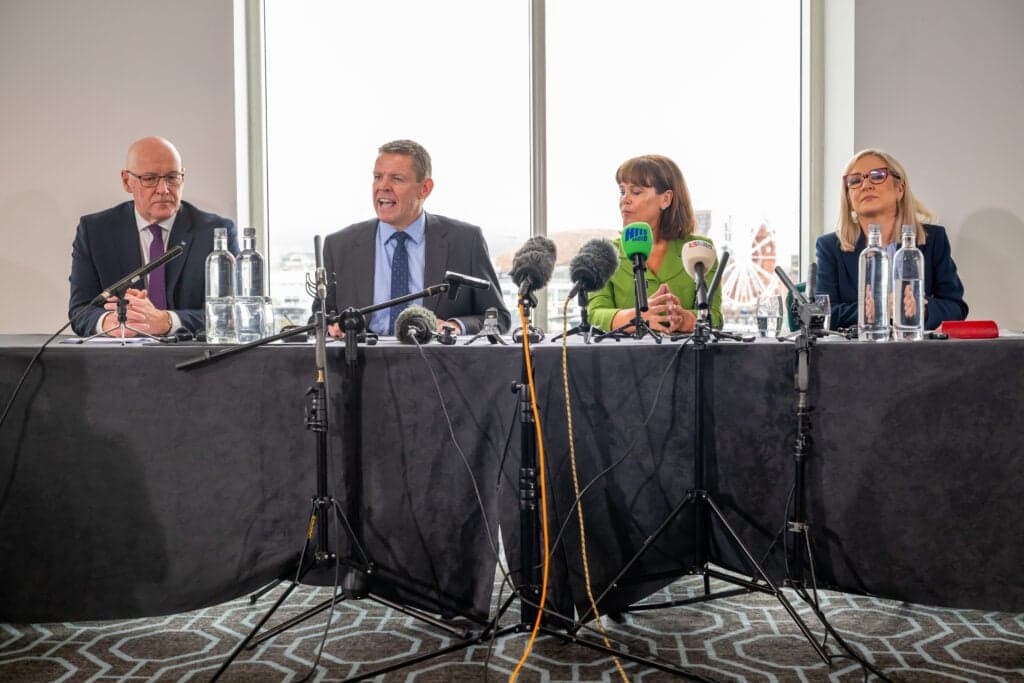
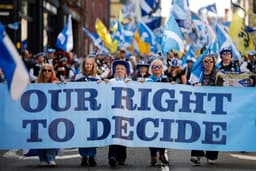
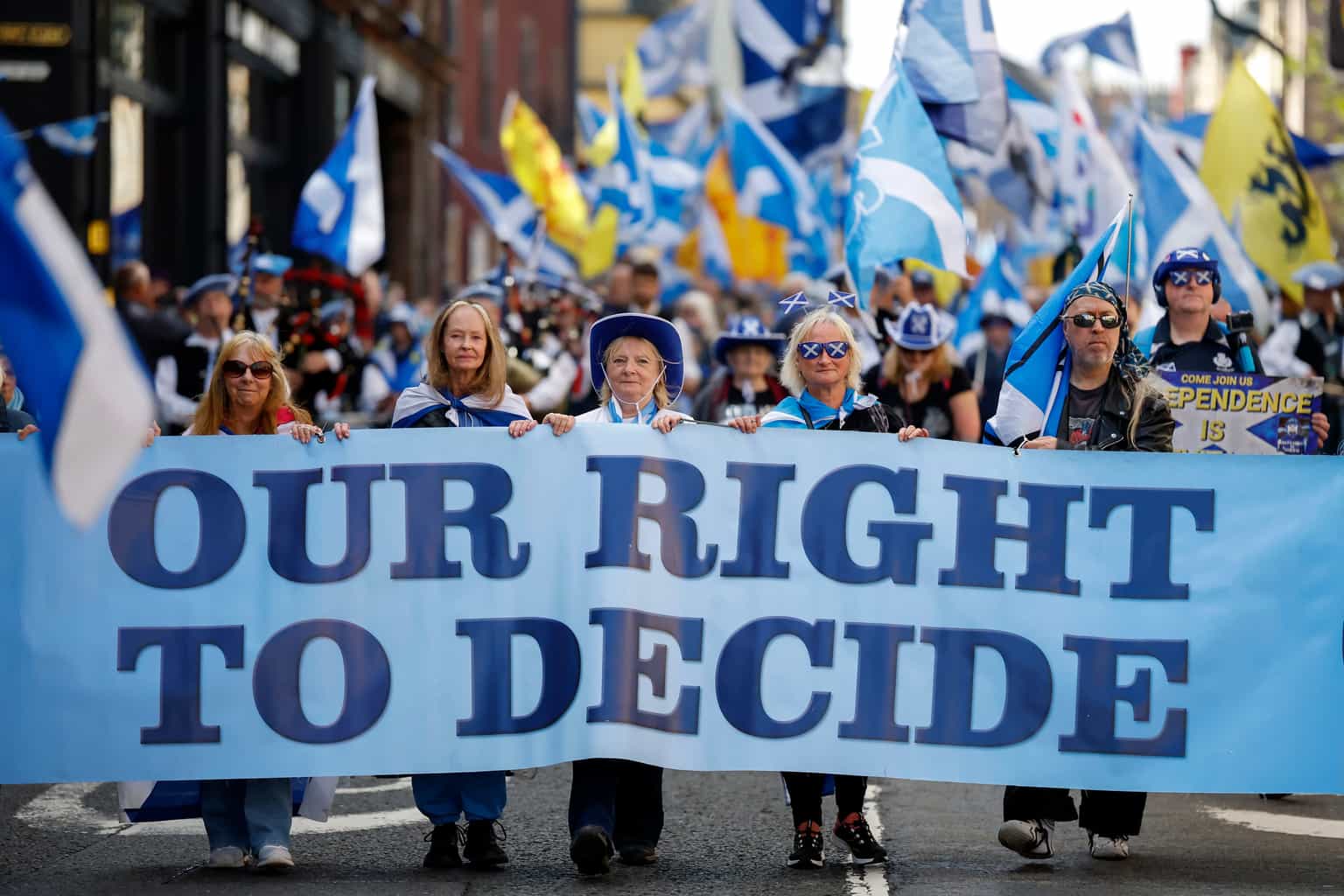
Scotland, Wales and Northern Ireland recently signed the Celtic Alliance in Cardiff on Monday, sealing talks over possible UK breakaway referendums and further autonomy from Westminster.
All three countries have signed an agreement of cooperation calling on their “right to self-determination”, including the Border Poll discussions over Irish unity.
However, there seems to be a crucial missing piece in the ongoing discussions between the autonomous states, as England has yet to receive a formal invitation.
First Ministers of Wales, Northern Ireland and Scotland have said that “Westminster’s time is coming to an end” at the summit on their path to independence.
“Momentum is behind our movements,” the memorandum read, “we believe that constitutional change is coming.
“No Westminster government has the right to block democracy or undermine the principle that our people will decide their own future.
“We call for the British government to prepare for, plan and facilitate constitutional change in each jurisdiction.”
The wave of independence talks comes as Plaid Cymru won Wales’ Senedd elections in May, putting separatist parties at the head of their governments for the first time in all three independent regions.
Each country aims varying results from the Celtic Alliance, from further autonomy to full-on independence.
But many are wondering why Burnham wasn’t included in the talks.
Since entering Downing Street in July, the newly elected PM has made cost-of-living and housing reparations the top priorities of his first months as the head of state.
However, with the Celtic Alliance hanging over his head, Burnham is pushed to act upon the unravelling events.
Despite not sitting at the summit, a PM spokesperson said that Burnham is “committed to delivering change across all four nations of the United Kingdom and believes strongly in the Union.”
When asked if Burnham was invited in Cardiff, the spokesperson said that “he works closely with the first and deputy first ministers in Scotland, Wales and Northern Ireland.”
“That work is based on partnership and collaboration,” the spokesperson added.
“The Prime Minister remains focused on that partnership and on the issues that matter most to families across the UK.
He continued by saying that this “includes easing pressures on household finances and delivering greater economic security, rather than engaging in constitutional debates or further referendums.”
The First ministers said on Monday that “no Westminster government has the right to block democracy or undermine the principle that our people will decide their own future.”
The Celtic Alliance has as a goal to reject Whitehall’s broken economic policy, as all three nations share ideas on economic and energy resource growth.
Additionally, all three strongly believe that “the future of our nations belongs in the European Union”.
With the Alliance now made official, Northern Ireland, Scotland and Wales will commit to cooperate in common areas, leaving England in the shadow until they can enter talks of referendums, as they believe "constitutional change is coming”.
Explore more on these topics:
News
News
News
News
George Osborne urges UK to rejoin EU customs union to reverse Brexit disaster
The former chancellor said the British economy has ‘fallen off a cliff’ since Brexit. George Osborne has called for the UK to rejoin the European Union’s custom union to help reverse the economic damage done by Brexit. The former chancellor, who was part of David Cameron’s cabinet when the infamous referendum was called in 2016, said […]
News
14h
Macklemore dropped from Ed Sheeran tour after onstage ‘Free Palestine’ speech
A statement was released by Sheeran’s tour promoter Macklemore has been dropped from Ed Sheeran’s tour following a ‘Free Palestine’ speech he gave during a gig at the start of the month. As reported by Variety, the American rapper, 43, will not appear for the remainder of Sheeran’s Loop Tour after he made headlines for […]
News
15h
News