








News

Share
Published 15:22 15 Sept 2026 BST
Updated 15:23 15 Sept 2026 BST
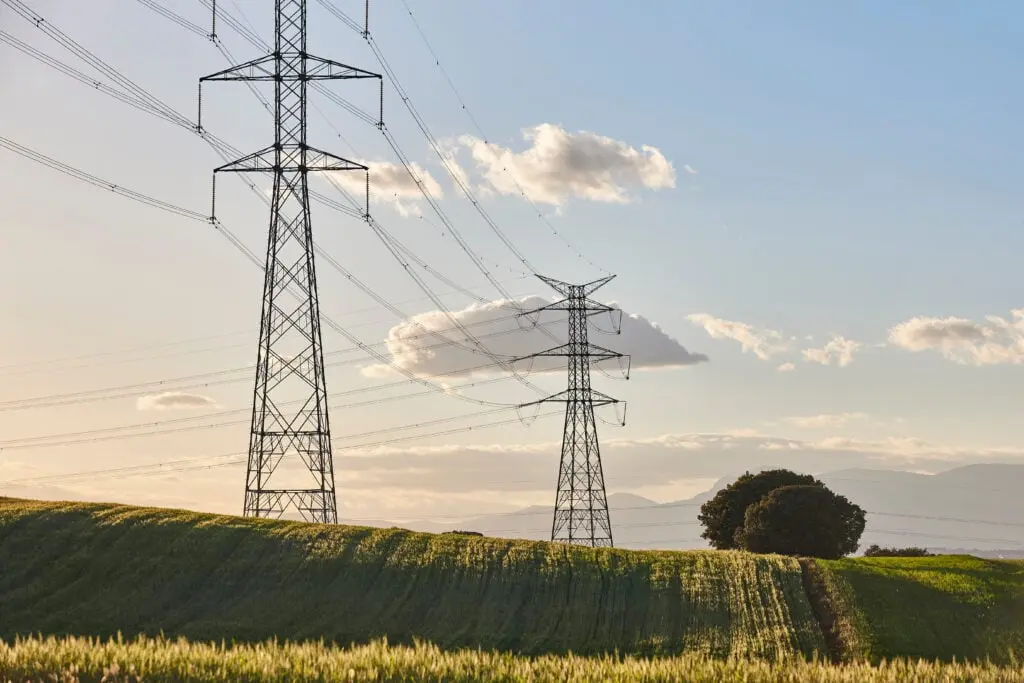
UK household bills could be set to rise substantially next January, experts have revealed.
Household bills could skyrocket by 25% at the start of 2027, thanks to the Iran war driving up gas and electricity prices.
This prediction comes according to analysis by Bloomberg Economics, predicting that the Ofgem energy price cap is expected to rise by about £427 to around £2,150 a year for the average household.
This increase is set to push the price of bills close to the £2,500 cap of 2022, which came in the wake of Russia's invasion of Ukraine.
At that time the government had to step in and subsidise the difference due to spiralling costs.
This cost taxpayers around £21bn.
The increasing cost of energy could also lead to UK inflation climbing above 4% next year, as predicted by Bloomberg.
This would be double the Bank of England's target.
While, of course, the war in Iran is having a sizeable effect on the cost of household bills here in the UK, there's actually a more convoluted reason why prices are going through the roof.
During privatisation and deregulation of the electricity market back in the 90s, something called marginal pricing was introduced, which still affects everyone's pockets today, and exists in many countries across the world.
Effectively, this rule says that the most expensive source of electricity sets the price for all sources whether it be renewable, nuclear or hydroelectric.
This means, while renewables cost a genuine fraction of the price of gas-generated electricity, the grid is paying the same amount for all of it, set by the cost of gas.
What's worse is that, these days, gas makes up just over a quarter of UK's electricity supply over a year, and, on some days, can contribute as little as a few percentage points.
So effectively, a minority supplier is setting the price for the majority of the market - and, when global gas markets are shaken by wars like the one in Iran, bills skyrocket.
Of course, living in a liberalised economy, it is easier said than done to fix this problem with the only solution for meantime seemingly being to get rid of gas from the grid altogether.
What is for certain, is that Andy Burnham's big push on quashing the cost of living crisis may have just taken a sizeable blow.
Explore more on these topics:

News

News

News
News
Jean Smart makes television history with record-breaking Emmy win for Hacks
Jean Smart has written her name into television history after taking home her fifth Emmy for Hacks, becoming the first woman to win for every season of a show.
News
1h
Michael J Fox says research is ‘close to Parkinson’s cure’ in emotional speech
The Back to the Future star shared that his condition ‘has gotten harder over the years’ Michael J Fox has recently come back from retirement for the second time in his tenured career, despite the difficulties brought by Parkinson’s. The actor made a guest appearance in the hit TV series ‘Shrinking’, starring How I Met […]
News
2h
Hayden Panettiere’s ‘cause of death revealed’ after actress’ death aged 36
News