








News

Share
Published 12:33 5 Nov 2026 GMT
Updated 12:33 5 Nov 2026 GMT
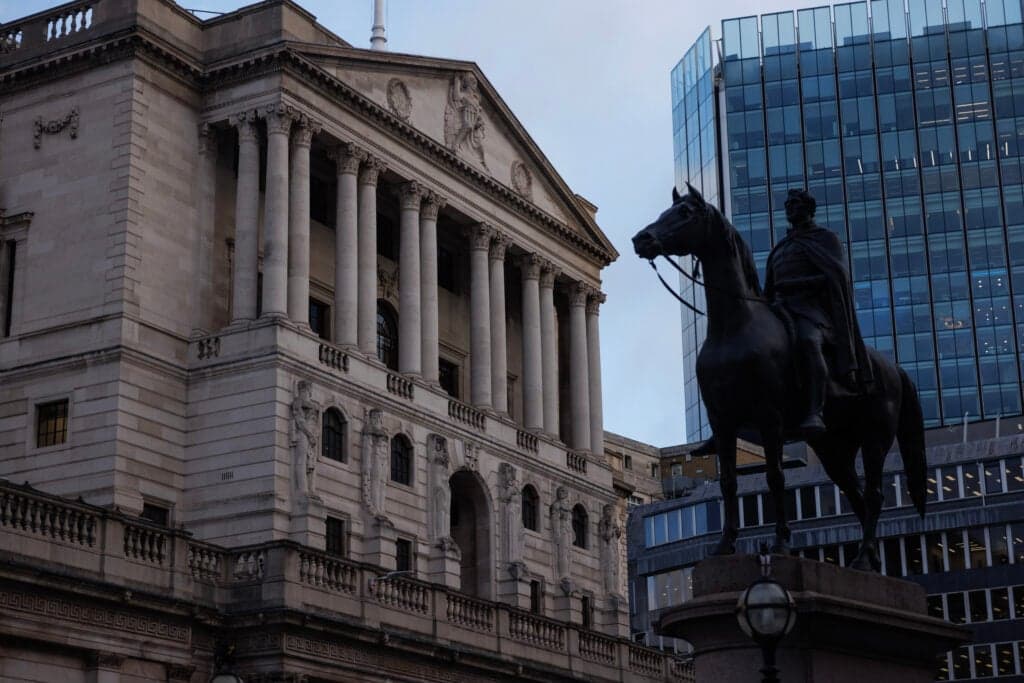
Mortgage costs are set to rise for hundreds of thousands of UK homeowners after the Bank of England increased its base rate to 4%, its first hike since August 2023.
The rate has gone up from 3.75%, with higher petrol and diesel prices making the decision widely expected.
Around 510,000 people with tracker mortgages will feel the effect immediately, with typical monthly repayments set to increase by roughly £31, according to banking trade body UK Finance.
Another 470,000 homeowners with variable-rate mortgages could see their payments rise by around £14 a month once lenders adjust their rates.
People on fixed deals will not face an immediate change, although anyone looking for a new mortgage will find that borrowing costs have already started to reflect the increase.
Moneyfacts said banks had "priced in" the expected decision when setting their latest fixed-rate offers.
Its figures show that, on 4 November, the average two-year deal stood at 5.96%, compared with 5.99% for a five-year mortgage.
The Bank's decision comes as inflation continues to move further away from its 2% target.
UK inflation climbed to 3.5% in September 2026, up from 3.1% the previous month, with higher fuel and energy prices linked partly to the Iran war contributing to the rise, according to the Bank of England.
The increase could offer some relief to savers if banks pass on the higher rate through better returns on savings accounts.
However, attention will now turn to whether the Bank signals further increases or suggests that borrowing costs could stabilise.
The decision also adds to the financial pressure facing households ahead of winter.
One UK council has confirmed plans for a 94% council tax increase, while rising energy bills have left customers looking for ways to cut their heating costs, including revisiting the question of whether keeping the heating on low all day is actually cheaper.
Explore more on these topics:

News

News

News

News
Travel disruption across Europe after latest string of bomb threats
It comes following a number of threats earlier this week A number of bomb threats have been reported across Europe in the latest series of alerts after multiple were called in earlier this week. The incidents have caused travel disruption in a number of airports across Europe, with more than 10 flights being affected by […]
News
29 min
Brits could pocket up to £470 thanks to little-known banking perk
Research identified financial “blind spots” among Brits As a banking customer, you could potentially earn £470 for free, as Nationwide has explained how. As per new Nationwide research, British homes could be missing out on a whopping £470 simply by sticking with their old bank provider. Nationwide is officially the most switched-to financial provider in […]
News
1h
News
Nearly 1,500kg NASA spaceship could come crashing back to Earth within hours
News