









News

Share
Published 17:59 28 Jan 2026 GMT
Updated 17:59 28 Jan 2026 GMT

With the Nipah virus being the latest virus to hit headlines around the globe, and the UK health agency issuing a travel warning, here's everything we know about the current situation.
Health authorities have been put on alert after two cases of the deadly Nipah virus were confirmed in West Bengal, as per Indian authorities.
While cases remain low, authorities are concerned due to the deadly nature of the disease, with the UK Health Security Agency (UKHSA) saying that 40 to 75 per cent of people infected die from the virus.
This has led to multiple Asian countries tightening health screenings and airport surveillance for people arriving from India.
With between 3 to 3.5 million people travelling between the UK and India each year, the UKHSA has issued a warning to British nationals, saying that "understanding this virus is important if you are planning to travel to one of the areas where it circulates."
Experts have described the virus as “unlikely to pose a significant risk of global spread”, but warned countries should remain vigilant.
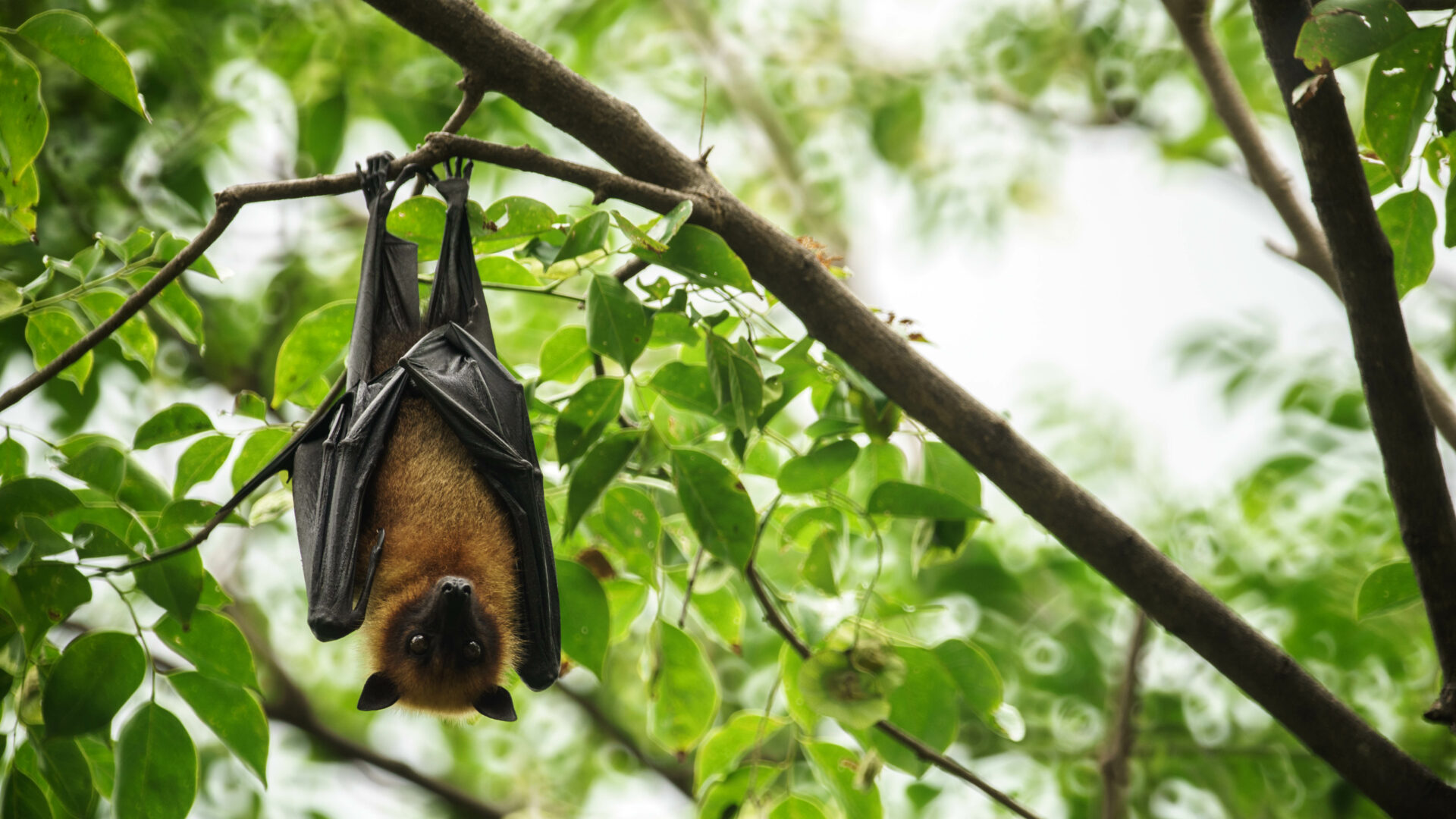
The UKHSA writes on the government website that Nipah can be spread from animals to humans and "the natural hosts of the virus are fruit bats, particularly those of the Pteropus genus."
It adds that "currently, there is no proven specific treatment for Nipah virus infection, and no preventative vaccine is licensed for use."
The virus can be transmitted through contaminated food or directly from human to human, although is easiest transmitted through bodily fluids, with the virus not being considered easily airborne.
For those travelling to endemic areas, prevention focuses on avoiding exposure, as the UKHSA advises:
The UKHSA writes that the virus can take between 4 to 21 days to incubate (the period between becoming infected and symptoms appearing).
It says: "Symptoms usually begin with the sudden – onset of non-specific flu-like illness or fever. Pneumonia and other respiratory problems may also develop.
"The most serious complication is encephalitis (inflammation of the brain) or meningitis, which typically develops 3 to 21 days after the initial illness begins. This is the hallmark of Nipah infection and is associated with a very high mortality rate.
"It is estimated that between 40 and 75% of people infected with Nipah virus will die. Some survivors may be left with lasting neurological difficulties, including persistent seizures and personality changes. In rare cases, the virus can reactivate months or even years after the initial infection."
Outbreaks in humans of the virus have only ever been identified in South and South-East Asia, mainly in more rural areas.
Countries where cases have been found include:
No case has ever reported a case in the UK.
The UKHSA has designated the Nipah virus as a "high priority pathogen", urging that it needs "investment in developing tests, treatments and vaccines".
This is due to its "high fatality rate and the fact that there are currently no approved vaccines or specific treatments available."
Explore more on these topics:

News

News

News

News
Rejoining EU could boost UK economy by £150bn – Goldman Sachs
Analysts from the bank reckon a ‘Breturn’ would boost the UK economy by 2-5% by the start of the next decade. Goldman Sachs has said rejoining the European Union could boost the UK economy by as much as £150 billion. In a note to clients, the Wall Street bank voiced its support for Andy Burnham’s […]
News
3h
Travel chaos across Italian airports after air traffic control failure
Air traffic management capacity has been slashed in half Travel chaos has struck Italy’s major airports after an air traffic control failure left capacity halved on Friday. Hundreds of flights across Italy have been delayed and over 100 cancelled due to “anomalies” with air traffic control (ATC) services. The Italian air navigation service provider, ENAV, […]
News
9h

News
Abu Dhabi Royal was found passed out on street in London after ‘cocaine binge’
News