




News

Share
Published 10:50 12 Jul 2022 BST
 Via Getty[/caption]
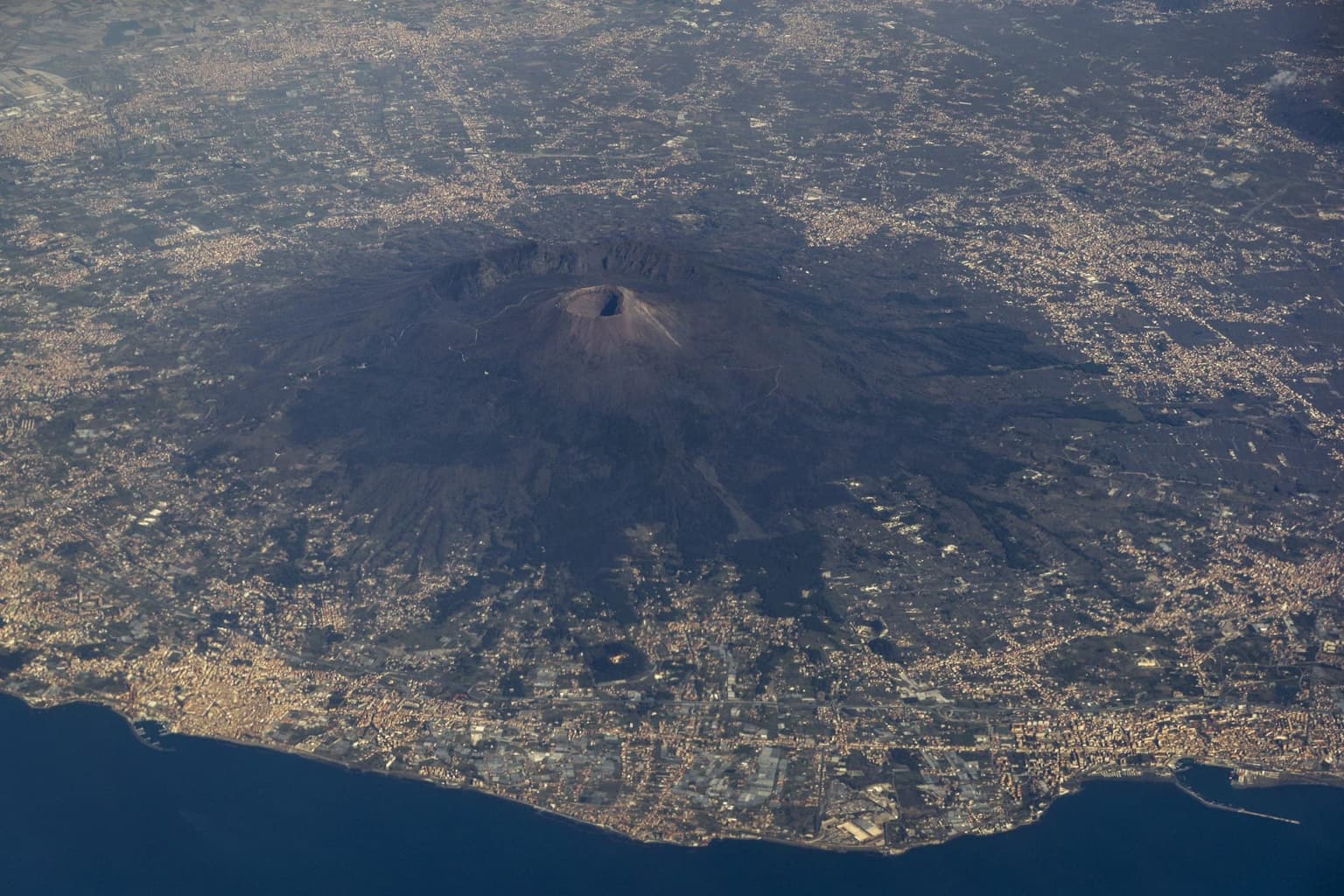
Vesuvius is still an active volcano, having last erupted from 1913-1944 but the most famous eruption by far occurred in Pompeii in 79AD, claiming the lives of 2,000 people initially and 16,000 in total. The Department of Earth and Geo-environmental Sciences at the University of Bari believe that people died in just 15-minutes, asphyxiated by the gases and ashes.
The lethal cloud had “a temperature of over 100 degrees and was composed of CO2, chlorides, particles of incandescent ash and volcanic glass”, said Roberto Isaia, senior researcher of the Vesuvius Observatory of the INGV.
[caption id="attachment_347710" align="alignnone" width="2048"]
Via Getty[/caption]
Vesuvius is still an active volcano, having last erupted from 1913-1944 but the most famous eruption by far occurred in Pompeii in 79AD, claiming the lives of 2,000 people initially and 16,000 in total. The Department of Earth and Geo-environmental Sciences at the University of Bari believe that people died in just 15-minutes, asphyxiated by the gases and ashes.
The lethal cloud had “a temperature of over 100 degrees and was composed of CO2, chlorides, particles of incandescent ash and volcanic glass”, said Roberto Isaia, senior researcher of the Vesuvius Observatory of the INGV.
[caption id="attachment_347710" align="alignnone" width="2048"] Via Getty[/caption]
According to History.com, one witness said dust “poured across the land” like a flood and that the city was shrouded in “a darkness…like the black of closed and unlighted rooms.”
The city was rediscovered in 1748 when explorers found the city relatively intact under the rubble.
Via Getty[/caption]
According to History.com, one witness said dust “poured across the land” like a flood and that the city was shrouded in “a darkness…like the black of closed and unlighted rooms.”
The city was rediscovered in 1748 when explorers found the city relatively intact under the rubble.

News
News

News
News
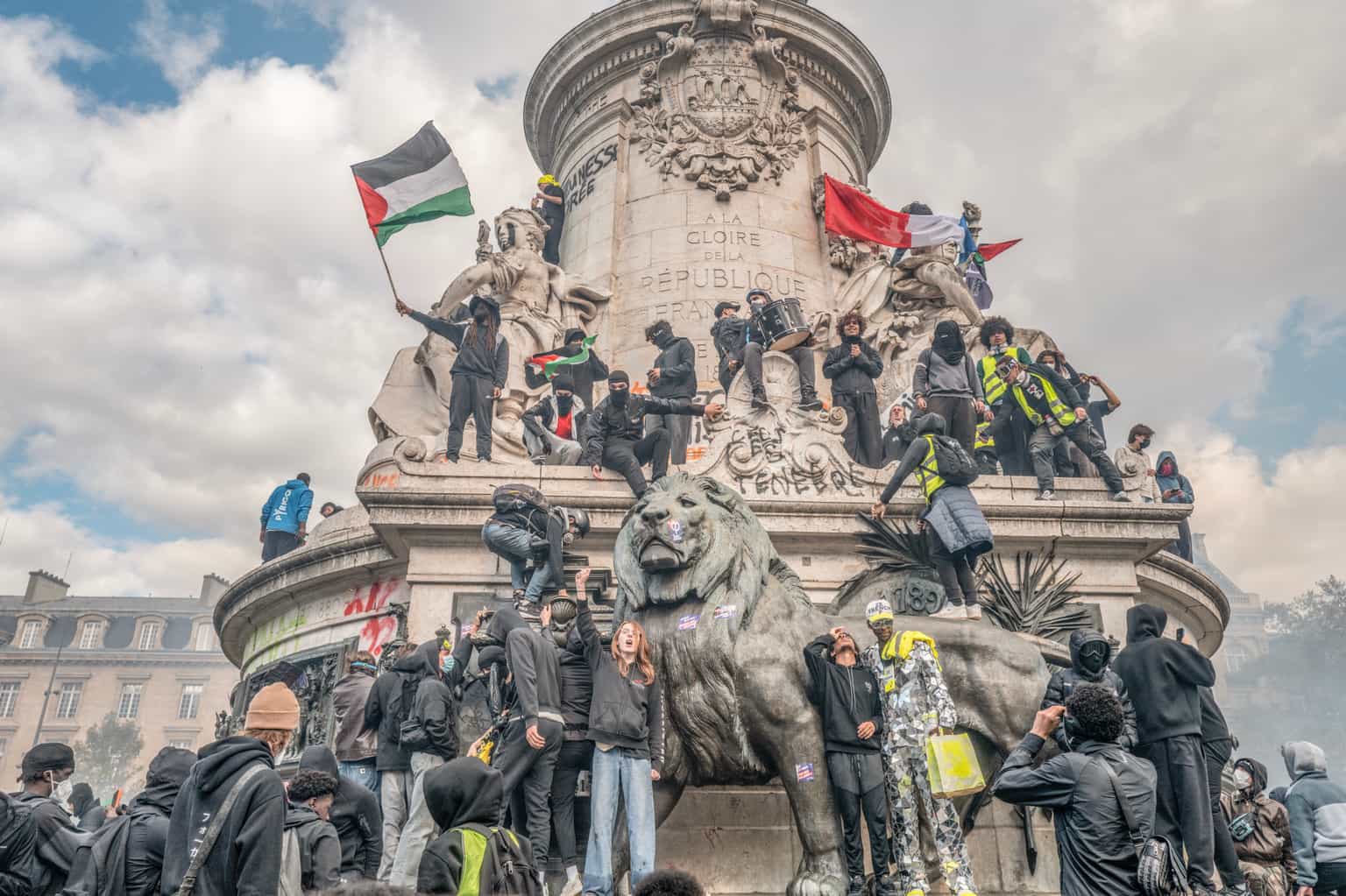
Protests across Europe show people have finally had enough of social inequality
For many, government no longer serves the people Europe has had enough of social inequality, and who can blame them. Inequality is rife. While billionaires play with flying cars, the people ask just to be able to afford to eat, get a good education and be housed. While the media focuses on France, protests are […]
News
1h
BBC continues to run rings around Trump in defence of defamation lawsuit
The BBC aren’t letting Trump off the hook. The BBC is continuing to run rings around Donald Trump as the broadcaster defends itself against his defamation lawsuit. Ever since Trump filed his ludicrous $10bn claim against the BBC over the edit of a Panorama documentary, the broadcaster has refused to cow down to the US […]
News
2h
Senate candidate Abdul El-Sayed dismantles heckler’s ‘muslim brotherhood’ question
News