





News

Share
Published 14:14 21 Jul 2026 BST
Updated 14:14 21 Jul 2026 BST

19 people have been found guilty by an Indonesian court for their roles in a baby trafficking network that operated for several years.
The group, consisting of one man and 18 women, was convicted of trafficking 34 babies between 2022 and 2025.
Investigators said the operation was highly organised, with different members tasked with finding infants, looking after them, producing fake documents and arranging buyers.
According to authorities, the babies were collected from several locations across West Java before being transferred to Depok and later Pontianak.
Some of the children were then transported through Jakarta and flown to Singapore, with police believing at least 20 babies were intended for buyers there, with 12 already having entered the country.
While a number of the defendants insisted they believed they were helping families rather than committing a crime, the court rejected those claims and convicted all 19.
Lie Siu Luan, identified as the leader of the trafficking ring, admitted supplying babies to at least four buyers in Singapore.
She told investigators each child was expected to sell for at least £10,300, and was sentenced to seven years in prison, despite prosecutors seeking a 10-year term.
Six women who cared for the trafficked babies and two women who acted as brokers were each jailed for three years and four months.
The only male defendant, Djaka Hamdani Hutabarat, received a sentence of six years and seven months, alongside the group's main broker, Astri Fitrinika.
Indonesia's Ministry of Social Affairs said every rescued child will now be assessed to determine the most appropriate long-term care.
Officials will first explore whether they can safely return to their biological families.
If that is not possible, the children will be placed in alternative care under Indonesia's child protection laws.
News
News
News
News
How ready is the UK for conflict as all government departments told to update ‘war book’?
The UK is working on new plans in the event of a military attack For the first time in decades, all UK government departments are required to plan for how they might respond to a conflict. According to the latest reports, this will happen through a move to update something called the war book. In […]
News
2 days ago
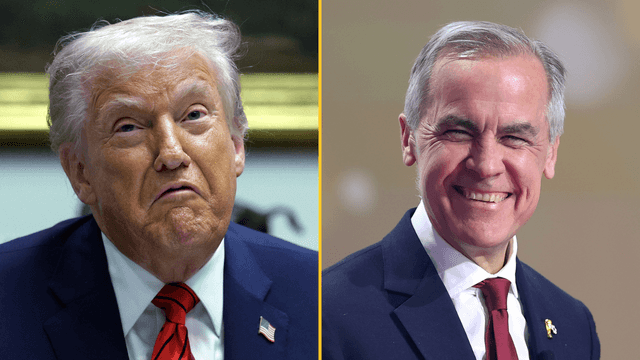
Watch: Mark Carney mocks Donald Trump with hand gesture
‘Accordion hands’ rarely looked more accurate Canadian Prime Minister Mark Carney appeared to mock US President Donald Trump during a speech. During a Liberal caucus address, among other things Carney promised to push legislation on social media safety. He said that Canada can lead the world in digital safeguards, including on AI. Meanwhile, he also […]
News
2 days ago
News
MI5 accepts it gave evidence based on lies to three courts
News