





Entertainment

Share
Published 13:15 28 Aug 2026 BST
Updated 12:45 28 Aug 2026 BST
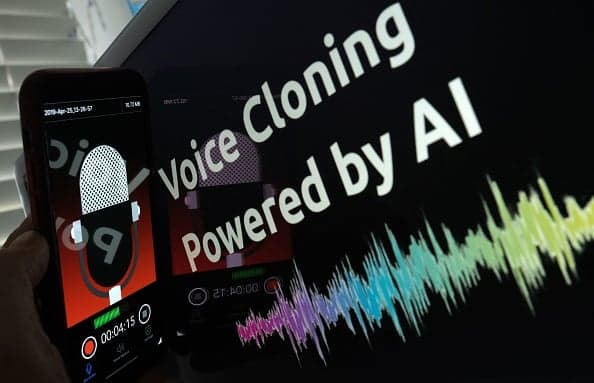
Matt Lucas, Hugh Bonneville and Nicola Coughlan are among more than 80 performers who have written to the government demanding greater protection against AI voice cloning.
They want Prime Minister Andy Burnham to introduce legislation giving every person in the UK a legal right to their own voice, according to the performers' letter reported by BBC News.
Voice clones can be created by training AI on recordings of real people.
A quick version relies on only a few seconds of audio recordings to produce minutes of the recreated voicec.
Audiobook narrator Alice Sockett, who co-founded the campaign, called it "an existential threat to our entire industry."
"My voice is out there in the public domain but completely unprotected," she said. "We're seeing voice theft increase every week."
Derry Girls actor Siobhán McSweeney said she was "deeply worried" that the government was lagging behind.
"There is a way to work alongside AI and to use it as a tool that benefits us rather than rendering us obsolete," she said.
"Our audiences want that human connection. Not AI."
Signatories go beyond actors. Scottish singer Sandi Thom, known for her 2006 hit I Wish I Was a Punk Rocker (With Flowers in My Hair), said she signed because her voice was "unique to me and was handed to me at birth."
"Behind that voice is the emotion, the life, the pain, the tears and joy that I've felt along the way."
"Without creativity, we are nothing," she said.
Voice acting lost one of its best-known names this week: on Thursday Joe reported the death of Peter Cullen, the voice of Optimus Prime and Eeyore, aged 85.
A government spokesperson told the BBC that while "digital replicas can be a powerful tool, including for the creative industries", there was also possibility for harm.
"We value and protect human creators, and that is why we have announced we will launch a consultation on how we address these harms, while protecting legitimate innovation," the spokesperson said.
The letter comes a few months after lawyers warned that UK legislation has become "unfit for purpose" because of the advances in AI.
"The law comes close, but it doesn't fully protect your voice, your face or your identity," Dr Mathilde Pavis said in June.
Not everyone sees the technology the same way. The BBC notes that some people who are unable to speak properly because of illness have welcomed it.
Within the world of music, Dr Dre recently said the only people who fear AI are those who "have trouble creating".
Explore more on these topics:

Entertainment
Entertainment
Entertainment
Entertainment
Prime Video’s hit thriller series cancelled, confirms star
EXCLUSIVE: One of the show’s stars told JOE that the show sadly won’t be back for a new season. Prime Video’s British supernatural thriller series The Rig has been cancelled after two seasons, according to its star Emily Hampshire (Schitt’s Creek, WandaVision). Having premiered in 2023, the show followed the crew of a Scottish oil […]
Entertainment
17h
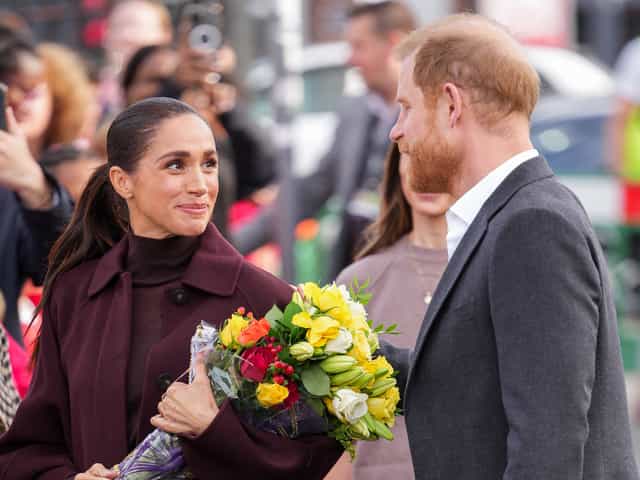
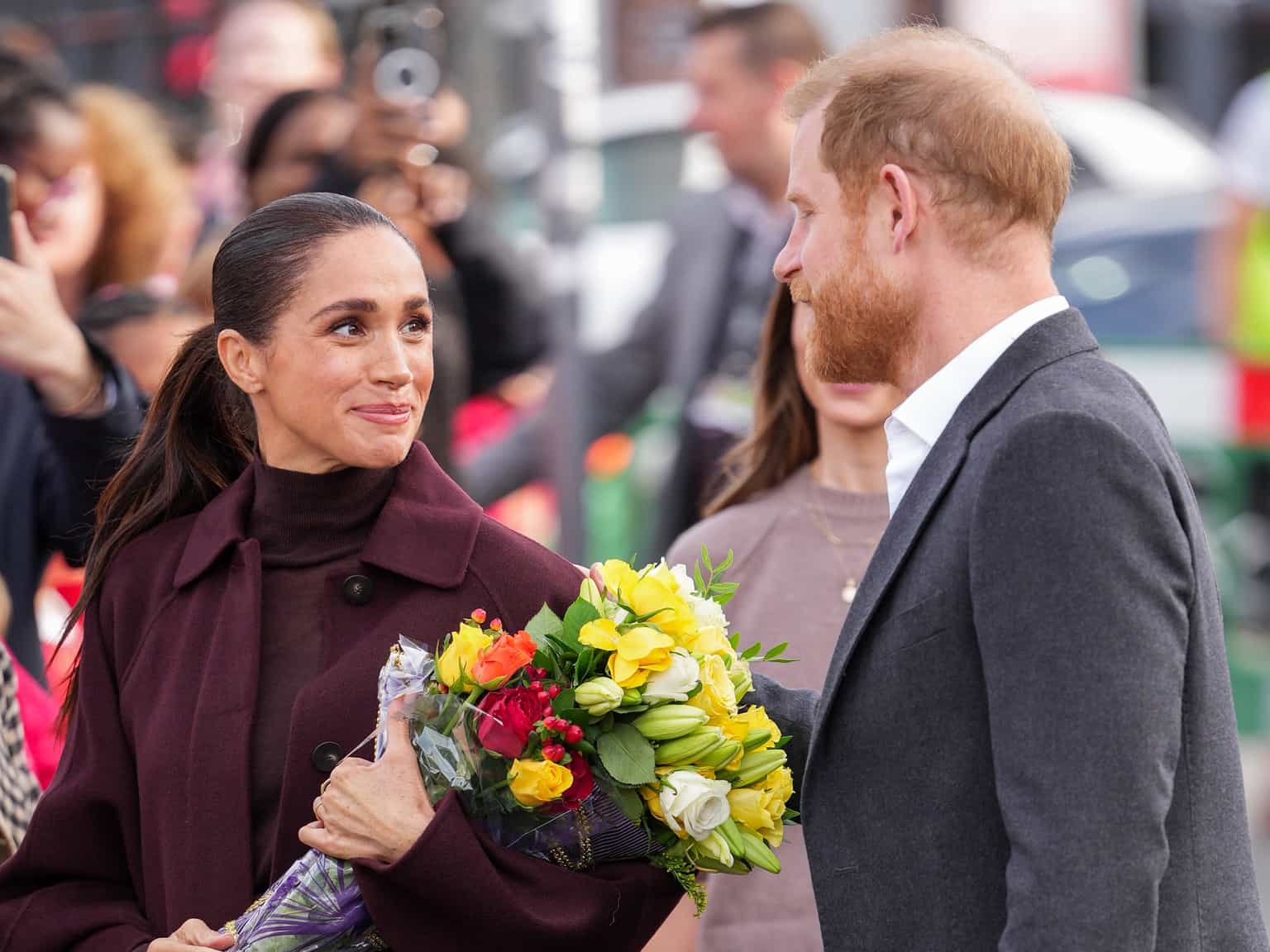
Prince Harry and Meghan make first UK appearance since return
Sussexes announce visit to three Nottingham organisations Prince Harry and Meghan Markle have made their first joint public appearance in Nottingham on Thursday, where visited three organisations supporting people in the local community. The couple’s plans were announced on BBC Breakfast, with the Mirror reporting on the segment. The visit saw the couple meet representatives […]
Entertainment
22h
Entertainment
Glastonbury 2027 tickets gone within 42 minutes of queue opening
Entertainment