








Science

Share
Published 14:45 24 Apr 2026 BST
Updated 14:45 24 Apr 2026 BST
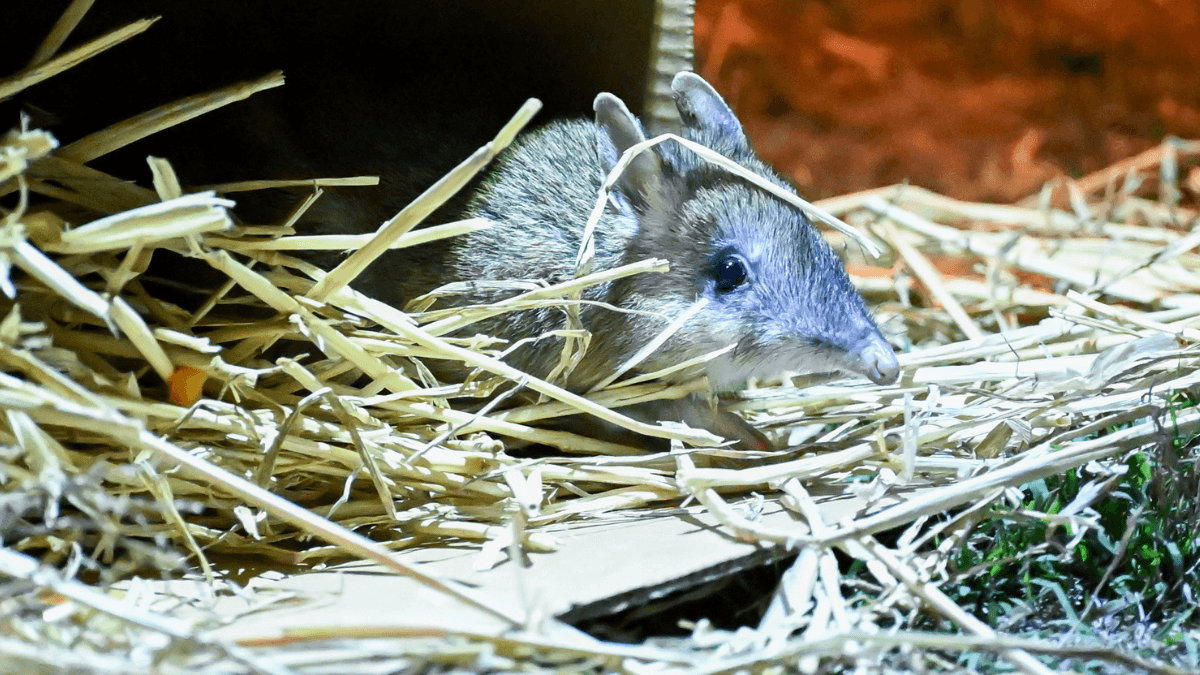
A once-extinct marsupial has been released in Australia after being bred for survival.
The eastern barred bandicoot was declared extinct in the wild in 1991 after the population dwindled to just 60 living in a rubbish tip in Victoria by the late 1980s.
Previous attempts to reintroduce it have failed because of inbreeding.
Now, through a world-first gene-mixing approach, mainland Australian bandicoots have been bred with those from Tasmania - two genetically distinct populations isolated from each other for more than 10,000 years.
Amazon’s Right Now Climate Fund has supported these efforts to save the eastern barred bandicoot from the brink of extinction - and marks a milestone in the company’s commitment to climate innovation.
It is also supporting other key conservation initiatives in Australia, including breeding programs, maintenance of wildlife sanctuaries, movement of animals between sites, and educational tours.
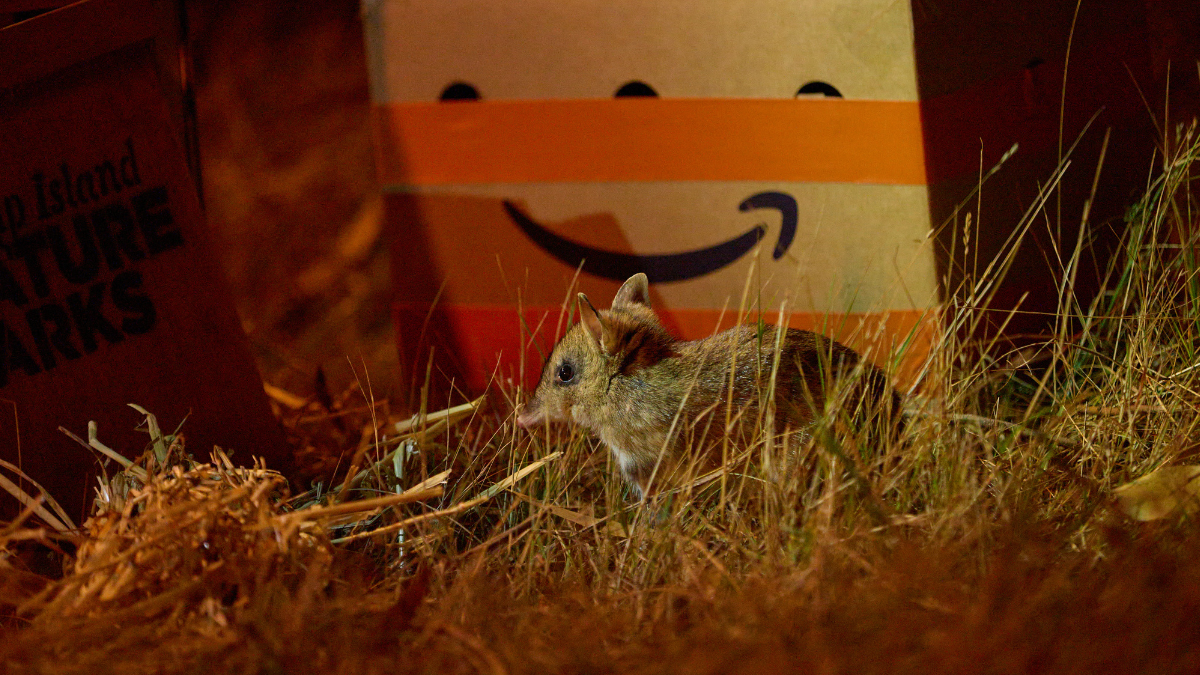
Michael Miller, Amazon VP, said: “30 years ago, these bandicoots were gone from mainland Australia.
“What makes their recovery incredible is the science behind it - a genetic rescue program which is science-backed, scalable, and transformative for conservation.
"The same methodology could help save endangered animals all over the world."
The genetic rescue program was led by the Odonata Foundation, Cesar Australia and the Eastern Barred Bandicoot Recovery Team.
The burrowing of eastern barred bandicoots improves soil health and strengthens landscapes against flood and drought.
They'll be relocated to a minimum of five different sites across Australia.
This approach aims to build a population of at least 500 animals across a minimum of five different locations.
It ensures animals are geographically dispersed and less likely to be wiped out by natural disaster.
The Right Now Climate Fund supported with a AU$2.5 million (US$1.8 million) donation to help restore populations of endangered species in Australia.
The three-year project will help save the eastern barred bandicoot and other species including the eastern quoll and southern brush-tailed rock-wallaby.
Dr. Andrew Weeks, director of Cesar Australia and science advisor to Odonata said: “We've built a fit, feisty bandicoot population with far greater genetic health and a much better chance of survival than their inbred predecessors.”

Science

Science

Science

Science
You need to ejaculate this many times in a month to prevent prostate cancer, experts say
Bashing the bishop is a scientifically proven way of staying healthy Regular ejaculation is something of a cheat code when it comes to shielding yourself from cancer. In a study published by European Urology, which followed 32,000 men for 18 years, scientists discovered the magic number of 21 times per month will reduce the chances […]
Science
9 months ago
Every blue eyed person on Earth is a descendant of one single human
Your family might be a bit bigger than you realised All blue-eyed people descend from a single human who lived around 6,000 and 10,000 years ago, scientists believe. While 70-79 per cent of the world’s population have brown eyes – the most common colour – just 8 to 10 per cent have the second most common […]
Science
11 months ago
Evidence that Jesus was real has now been ‘confirmed’ as authentic
Science