

News

Share
Published 13:49 17 Sept 2026 BST
Updated 13:50 17 Sept 2026 BST
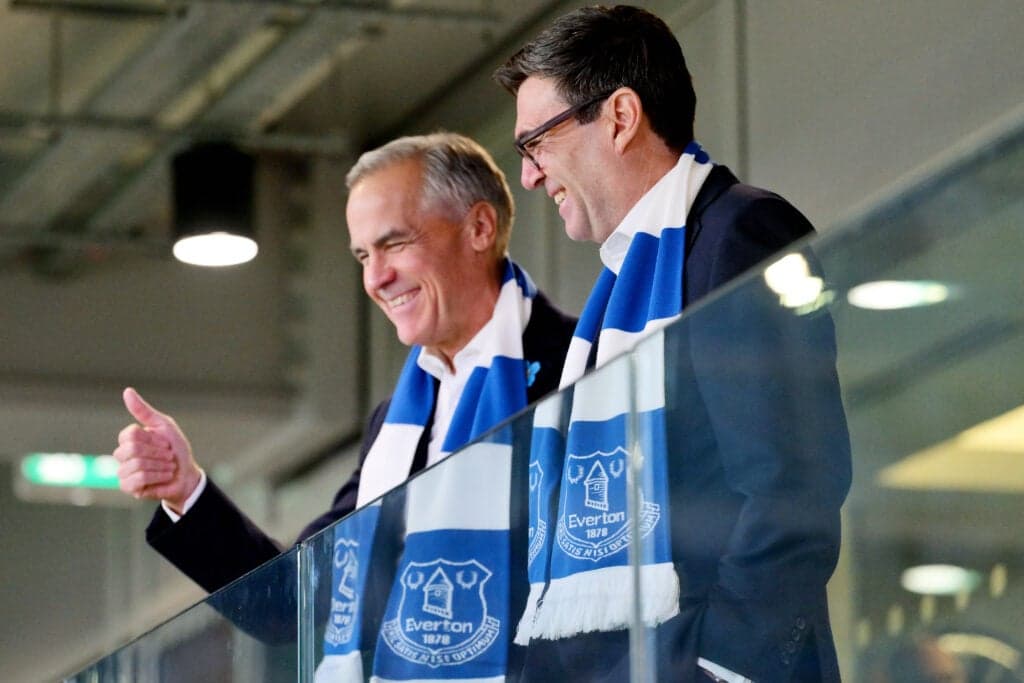
The Prime Minister has been at the head of the government for a little under two months now, and it already feels like a bit of a hotseat to be sitting in.
Stuck between the Celtic Alliance with potential breakaway referendums, and the overwhelming financial burden that Brexit has brought the Kingdom after 10 years, Burnham seems to have a lot on his plate.
In addition to that, Canada is actively taking steps to becoming the EU's very first ‘associate member’, a plan proposed and coordinated by President of the European Commission, Ursula von der Leyen.
Canadian Prime Minister Mark Carney welcomes the EU partnership as it could unlock further trades deals favourable to both parties.
This comes as the US and Canada find themselves in the midst of a full-blown trade war, imposing tariffs on each other despite decades of collaboration between the first and 11th world economies.
While members of the European Parliament seem excited by the idea of an ‘associate member’ joining the ranks, nobody seems to quite know what it entails yet.
The specifics are being drawn between the Prime Minister and the EU officials and are expected to be announced at the Canada-EU summit in Montréal later in October.
Carney came out denying any reports that he was seeking full membership within the EU.
Leader of the Official Opposition and firm Conservative, Pierre Poilievre, said on social media that Canada should be subject to “no EU tax, no EU laws, and no EU open border immigration policies.”
With little information made available, we can expect that an EU-Canadian alliance would be primarily trade focused.
At this moment both EU and Canada are in trade quarrels with Trump over US imposed tariffs, and a trade agreement between the two parties would make the most sense.
Specifically, these could cooperate across key sectors, such as: Manufacturing, AI, critical minerals and energy.
Former chancellor George Osborne said the British economy has “fallen off a cliff” since Brexit, urging the UK to rejoin border customs to reverse the 2016 disaster.
With Trump waiving his tariffs over the UK’s head, as well as commenting on his re-positioning over the Falkland Islands dispute and that he would “love” to see a united Ireland, Burnham seems to be losing his grip on a tenured ally in Washington.
All in all, it looks like the UK is heading towards a similar situation that Carney finds himself in. Raging trade wars with Trump and trying to piece-up a struggling economy.
Additionally, the Celtic Alliance thrown at Westminster from the Scottish, Welsh and Northern Irish First Ministers outline a greater sentiment to re-enter the EU-block, and they are ready to do it without England this time around.
Former minister Nick Boles and other pro-EU campaigners are said to have urged Burnham to follow Canada and consider becoming an ‘associate member’.
These argue that a closer relationship with the EU could protect the UK from an economic meltdown under Trump’s volatile tariff campaign towards ‘close’ allies.
With the PM expected to have a face-to-face with Trump in New York next week, we can predict that more questions will arise than answers to the current situation.
Explore more on these topics:
News
News

News

News
Bank of England holds rates as inflation hits six-month high
The energy shock could send UK inflation even higher Inflation has picked up again, putting the Bank of England in a difficult position as energy prices continue to rise. The latest figures show the Consumer Prices Index reached 3.1% in August, up from 2.9% in July. Petrol, diesel and air fares were among the biggest […]
News
7 min
Urgent search launched for missing 10-year-old boy last seen Tuesday
Police reveal where he was last seen A 10-year-old boy went missing two days ago and an urgent search has launched, police have revealed. The boy, named Dougie, was last seen on Tuesday (15 September) in Hoddesdon. He went missing from the Hertfordshire town near the border of Greater London and his last sighting was […]
News
1h

News
“Ed Sheeran asked me to commit $2m in aid,” says Robert Kraft
News