






News

Share
Published 16:31 9 Jan 2020 GMT
Updated 09:33 14 Jan 2020 GMT

Explore more on these topics:

News
News

News

Count Binface declares ‘victory’ after pub hand dryer key to manifesto moved
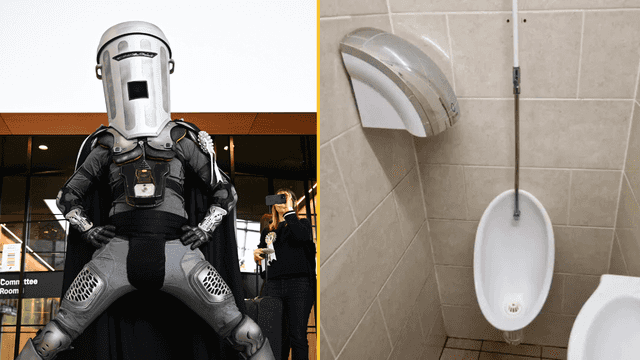
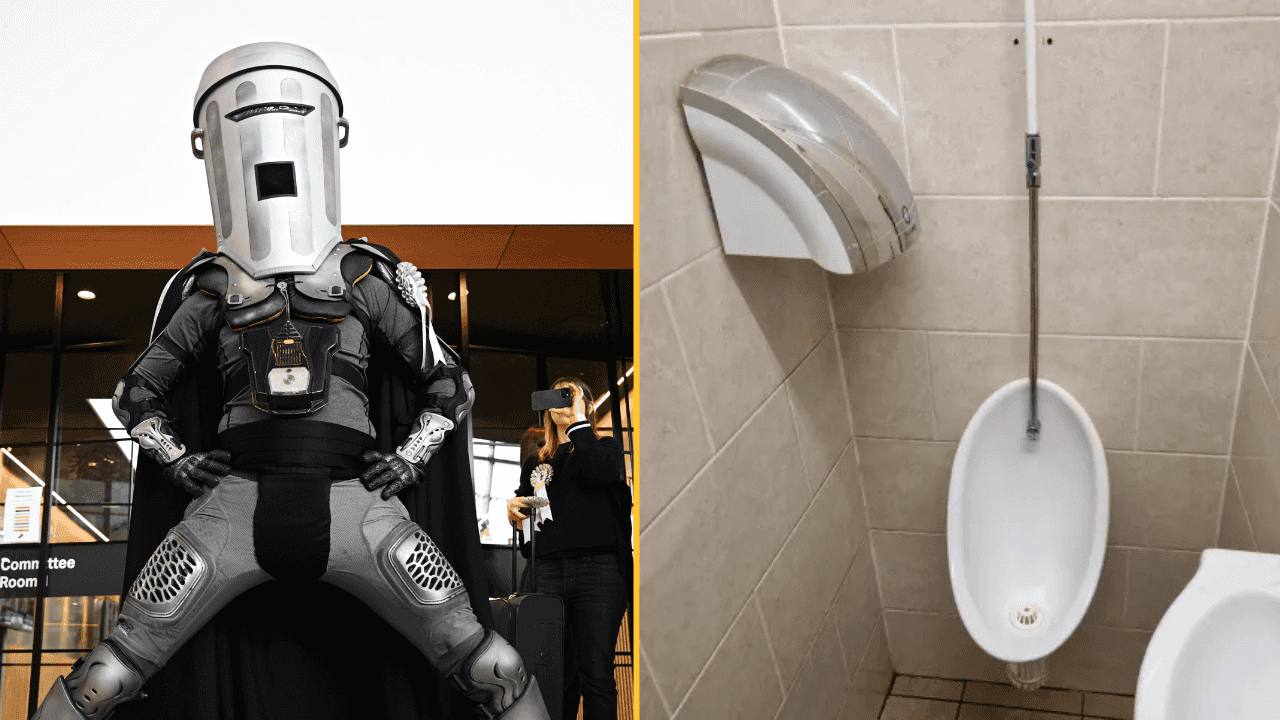
Promises made, promises kept. A hand dryer targeted by Count Binface during his election campaigns has reportedly been moved. Known for appearing as an intergalactic bin, Count Binface has repeatedly called out badly positioned hand dryers in pub toilets, promising to relocate them as part of his political pledges. He first made the commitment in […]
News
3h
Count Binface declares ‘victory’ after pub hand dryer key to manifesto moved
Promises made, promises kept. A hand dryer targeted by Count Binface during his election campaigns has reportedly been moved. Known for appearing as an intergalactic bin, Count Binface has repeatedly called out badly positioned hand dryers in pub toilets, promising to relocate them as part of his political pledges. He first made the commitment in […]
News
3h
News
Rape Crisis Centre slams Irish comedian for joke about rape
News