







News

Share
Published 14:51 8 Feb 2026 GMT
Updated 14:51 8 Feb 2026 GMT
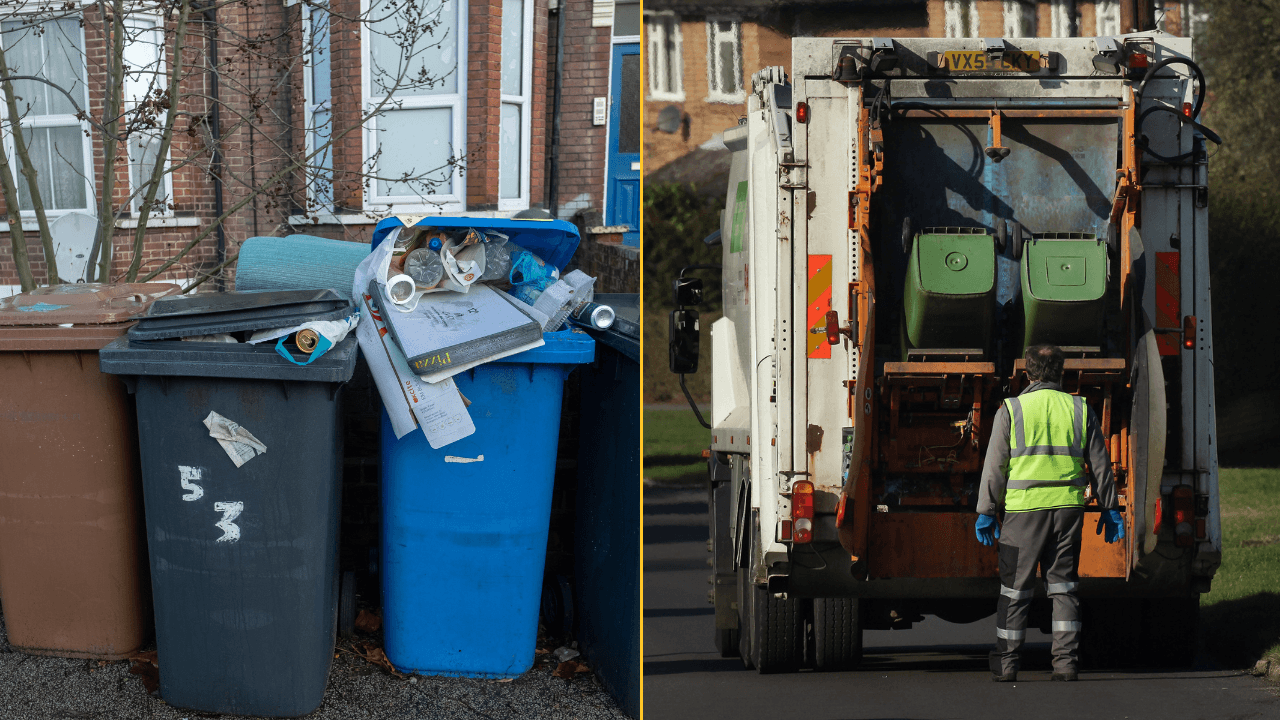
There is going to be a big difference in recycling from next month, as the UK government is changing the recycling rules throughout England.
Councils across England will be forced to recycle the same materials and it’s been dubbed the Simpler Recycling rules.
In just a few weeks time, bin night should be a lot more coherent but it won’t be the same for everybody.
Some households will have to separate recycling into more containers than they are used to, while some others fewer, it has been revealed.
What is the biggest change?
The major change is that there will be three common household items collected as recycling throughout England, and currently people chuck them in with the general waste.
Toothpaste tubes is the first of these three items.
They’ve been going in the bin with the other non-recyclable rubbish, and before the recycling rule change that is being brought in by the government, toothpaste tubes were made of a mixture of aluminium foil and plastic
This meant they could not be recycled, however, toothpaste makers have been getting ready for the recycling overhaul, and swapping to tubes made just from plastic, so they will be able to fit in with the new rules.
You will now also be able to recycle cartons, as manufacturers have tweaked their process for cartons to ensure they will fit in with the new rules.
Juice cartons have been tricky when it comes to recycling, because they are made with a few different materials layered together, including cardboard, plastic, and foil.
Because they are often made of mixed materials, for many homes throughout England, things like yoghurt pots and takeaway tubs weren’t the kind of item to pop in your recycling for collection.
Now, with the rule change, all councils will be picking trays, pots, and tubs to be recycled.
The Simpler Recycling rules will see four categories for waste collection implemented throughout England come March - and will be how everyone in the country has to sort their bins for collection.
These categories are:
non-recyclable waste
food waste
paper and card
other dry recyclable materials (plastic, metal and glass)
Explore more on these topics:
Nottingham city centre closed after police officer shooting
BREAKING Police have confirmed that an officer has been shot in Nottingham city centre. According to Nottinghamshire Police, a man and woman have fled the scene while a firearm has been recovered. The two suspects have not been found yet, police said. They were approached by the officer in Angel Row shortly before the incident, […]
News
1 day ago
Wainwright fire kills several at Canada military base
A nearby hospital declared a mass-casualty emergency A fire at a Canadian military base has caused the deaths of several people and left dozens of others injured. The fire broke out at Canadian Forces Base Wainwright on Saturday evening, as per the BBC. According to Canadian broadcaster Global News, which cited unnamed military sources, at […]
News
1 day ago

News
Homes evacuated after ‘pipe bomb’ explosion in Belfast
News