




News

Share
Published 16:16 15 Jul 2026 BST
Updated 16:30 15 Jul 2026 BST
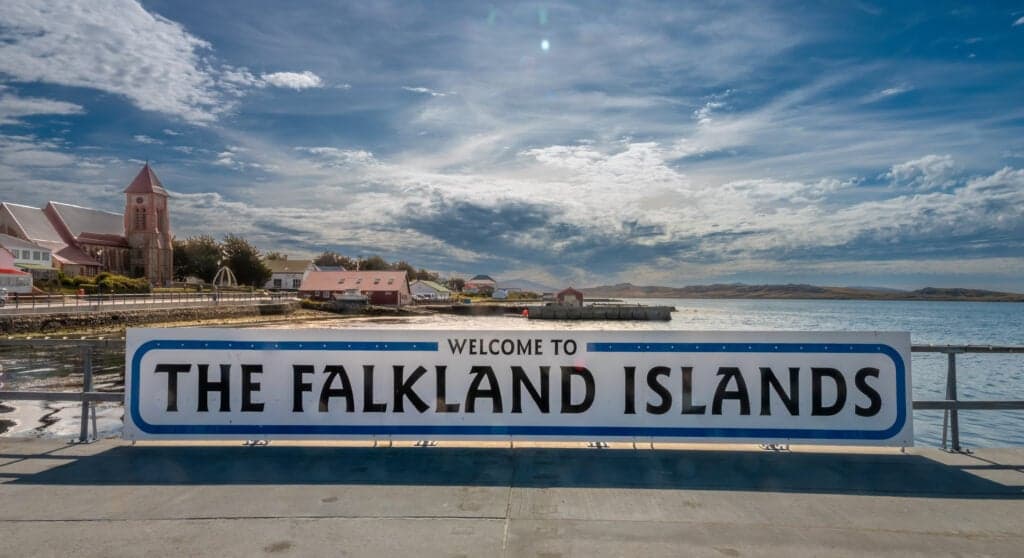
England versus Argentina, a rivalry steeped in blood, history and national pride.
For many, the Falklands War remains one of the last points of pride of the British nation, notably because for once the country got to be the victim.
In its colonial past, it's rare that England/Britain were on the right side of history in many people's eyes other than World War Two.
So, the opportunity for the UK, which was struggling in the 1980s, to flex its military power and show itself as still a player on the global stage, was an appealing one.
Meanwhile, for Argentina, the loss was seen as a national tragedy.
So, with England set to play Argentina tonight in the World Cup semi-final, memories of '82 have started to be evoked once again.
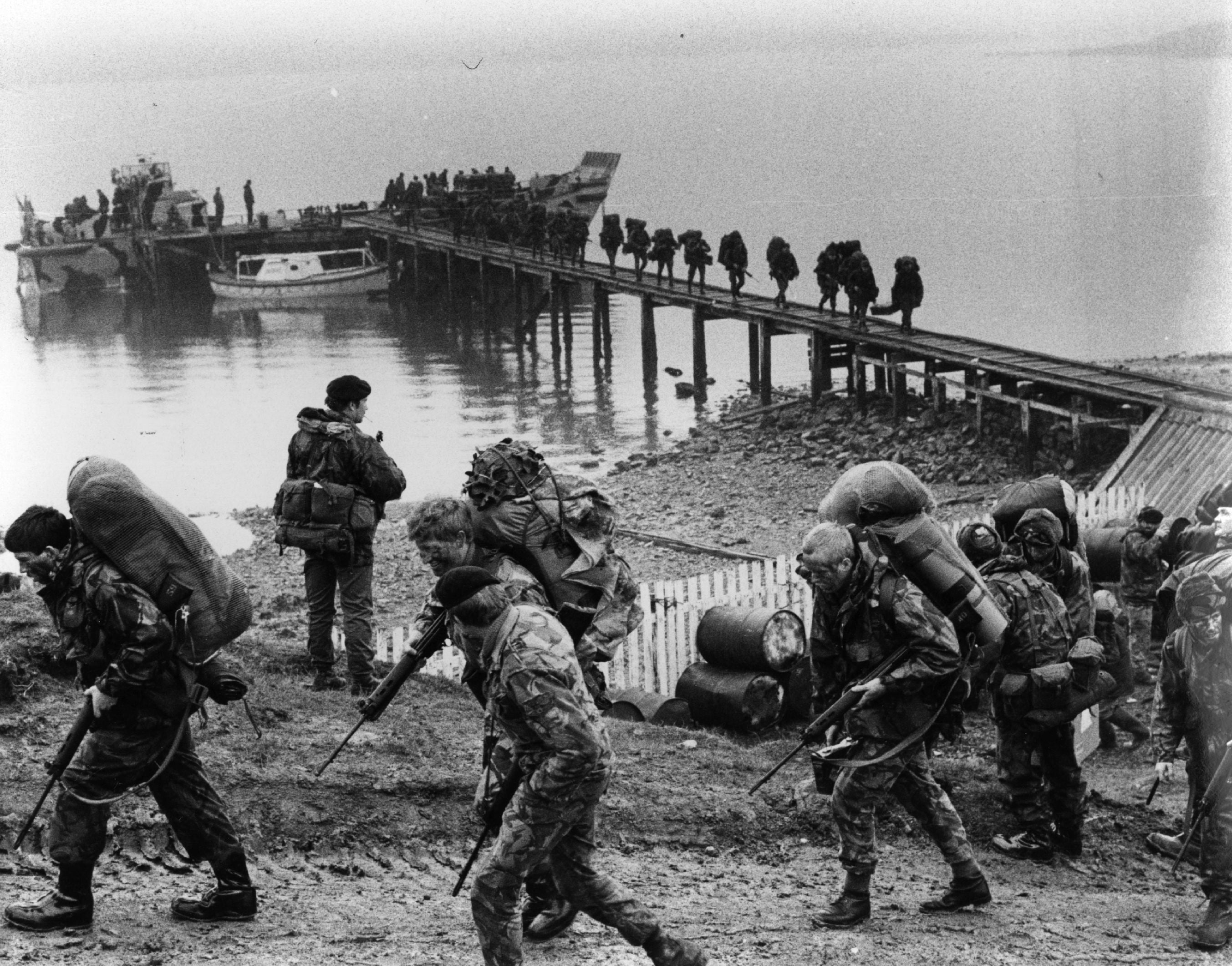
British troops arriving in the Falklands Islands during the Falklands War. Image: Getty.
In it's most simplified form, the Falklands War was a conflict started in 1982 by Argentina which, at the time, was ruled by right-wing military dictator General Leopoldo Galtieri, overseeing what was known as the National Reorganization Process.
Quite simply, these weren't good guys - they spent lots of time torturing and killing people - notably students - with many thrown out of helicopters on infamous 'death flights'.
And, as much as Margaret Thatcher remains one of the most disliked and divisive prime ministers in modern British political history, she wasn't doing that.
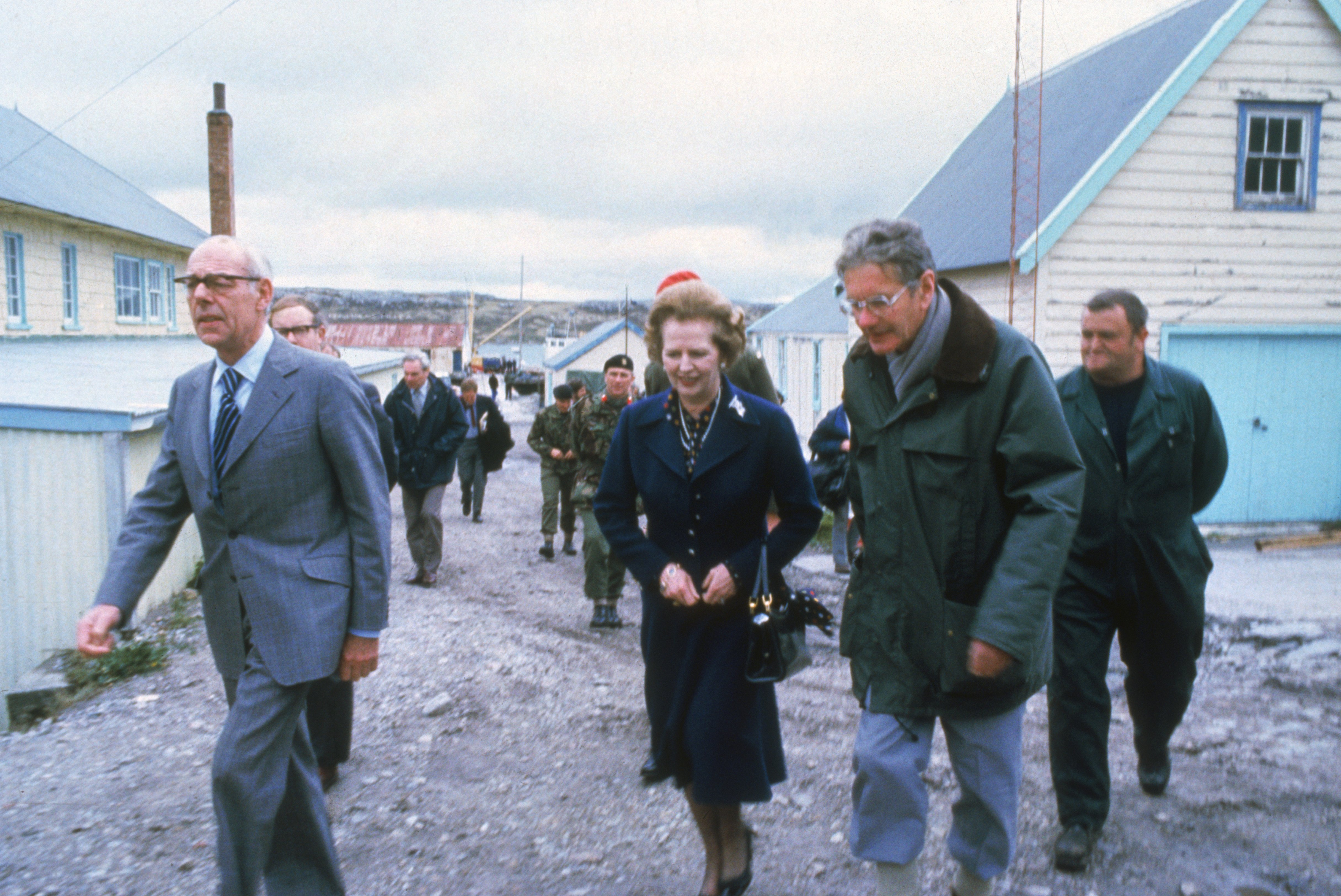
British Prime Minister Margaret Thatcher visitsthe Falkland Islands, 1983. Image: Getty.
The reason for invading the islands? Well, it was the classic tactic of distraction away from domestic issues in an attempt to secure a political win.
The invasion was 'justified' under a tenuous claim that the British had stolen the islands from the Argentinians who had inherited the land from Spain after gaining their independence in 1816.
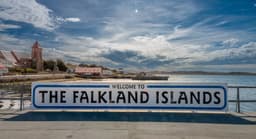
While both the UK and Argentina have their claims to the islands with stories of plaques left behind, shipwrecks and whaling stations, ultimately, only one of them ever managed to establish a permanent population on the archipelago outside of the resident penguins - Britain.
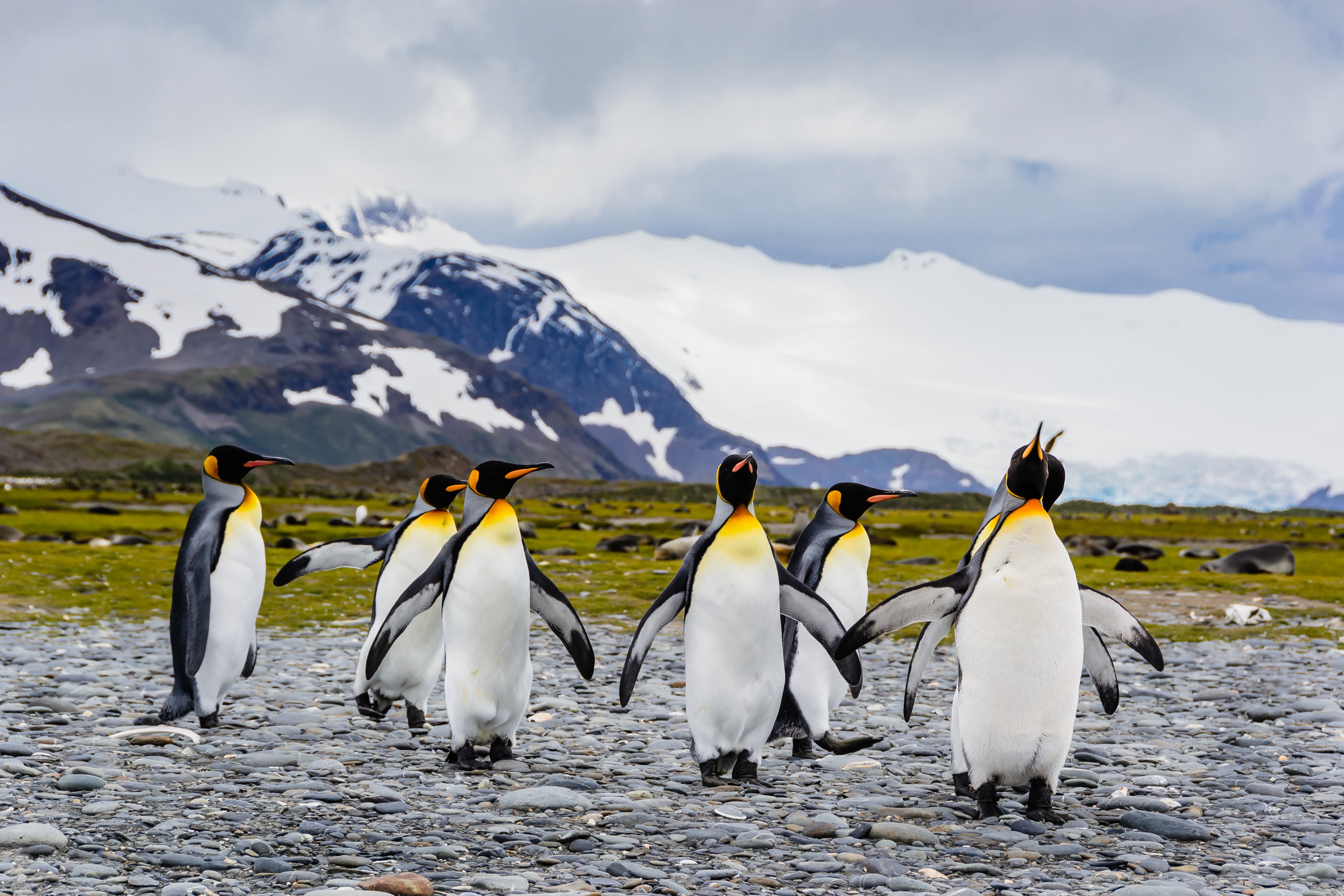
Maybe we should just give the islands to the resident penguins. Image: Adobe Stock.
The war over the Falklands lasted 10 weeks and saw a conclusive British victory and a large portion of the Argentinian Navy and Air Force destroyed.
Overall, 649 Argentinians were killed and 1,657 wounded while 255 British were killed and 775 wounded.
The war left diplomatic relations in tatters for almost a decade between the two nations.
In 2013, the people living on the Falklands were given the choice whether to remain an Overseas Territory of the United Kingdom.
The outcome was 99.80% voting yes, with only three people voting no.
While this war was fought 44 years ago, the conflict remains deeply important to many British and Argentinian people - if not just for the immediate death toll and loss of loved ones caused.
For the English, the Falklands symbolise the last time the UK got involved in a conflict alone, fought it out, and came out on top - a last hurrah of crumbling British power and influence.
This victory was emphasised by the backdrop of a struggling Britain in the 1980s and a divided country under Thatcher.
It was highly influential too as it is likely that the victory was the catalyst for the 'Iron Lady' to go on and win two more general elections and to have the longest tenure of a prime minister in the 20th century.
Meanwhile, in Argentina, the cause remains deeply important, being taught that the 'Islas Malvinas' are part of the nation with the islands even appearing on currency and other images of national identity.
The cause is, just like 40 years ago, often weaponised as a distraction to internal matters in the country such as inflation, unemployment and poverty.
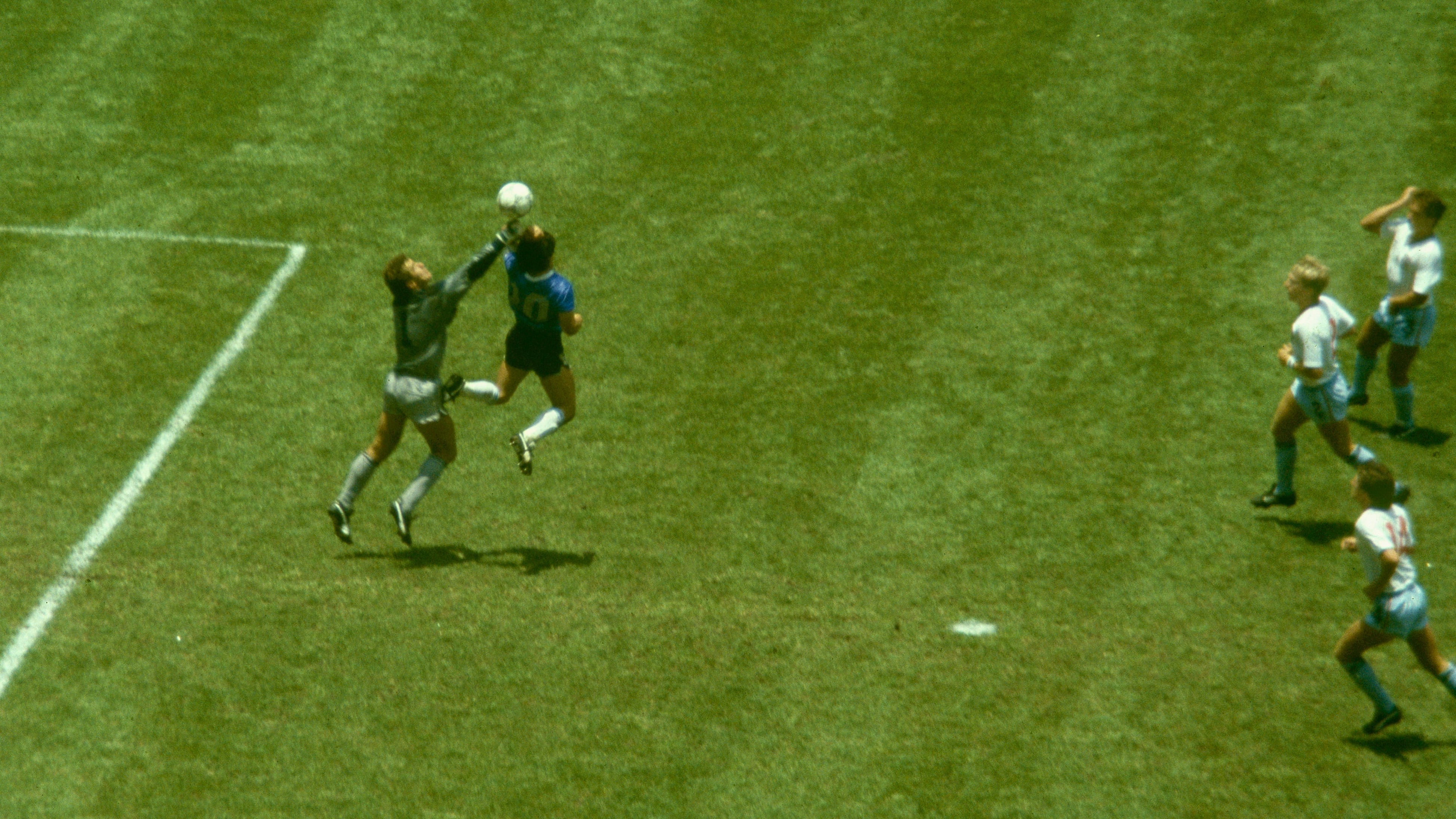
England vs Argentina hand of God 1986 World Cup. Credit: Getty.
Like so many situations in geopolitics, sport is used as a proxy for ongoing matters in the world.
Whether it be Hungary vs Soviet Union Olympic water polo match of 1956, the 1936 Berlin Olympics or the Soviet Union vs the USA in the Winter Olympic Ice Hockey in 1980, just to name a few, sports can help play out political conflicts.
This is no less true of the World Cup semi-final between England and Argentina.
While to many the matter is unimportant these days, for lots, the Falklands War remains a key igniter of conversation around the islands' sovereignty.
Just today, Argentine Vice President Victoria Villarruel took to social media to lay into England, hours before the two countries face off in a World Cup semi-final.
Villarruel, whose father served during the Falklands War, has been outspoken on the issue on the islands' sovereignty in the past.
Writing on X, Villarruel said: "Tomorrow we play against the usurping pirates.
"This isn't just another match. I'm not going to be politically correct or cold-hearted; against the English, it's always something more.
"It's the Malvinas, it's Diego, it's Leo's [Messi] last one, go Argentina! Because until our last breath, we're going to claim what's ours!”
Keir Starmer has already responded to Argentinian claims in the last few days, saying that only the people of the Falklands have the ability to decide their future.
His spokesperson said: "The Falkland islanders are British with a right to determine their own future.
"The UK’s position is clear. The islanders have repeatedly expressed their wish to remain a British overseas territory, and their right to self-determination is paramount.”
So, while it would be easier to decide the geopolitical matters through the means of sports, it's unlikely that the winner of today's match will decide the fate of the islands, however, it certainly might get spicy on the pitch.
Explore more on these topics:
News
News
News

News
WATCH: Keir Starmer given standing ovation after emotional final PMQs answer
It was an emotional sign off for Starmer at his final PMQs. Keir Starmer was given a standing ovation as he gave his final answer at Prime Minister’s Questions. Taking questions for one last time, Starmer paid tribute to Ann Widdecombe after her suspected murder. He also shared pleasantries with Conservative leader Kemi Badenoch as […]
News
1h
Keir Starmer makes England vs Argentina joke in his last PMQs as prime minister
One final zinger Keir Starmer showed his sense of humour in his last PMQs as prime minister and Labour Party leader. Taking questions for one last time, Starmer paid tribute to Ann Widdecombe after her suspected murder. He also shared pleasantries with Conservative leader Kemi Badenoch as well as drew an interesting reaction after calling […]
News
2h
List of cheapest and most expensive fuel brands in the UK revealed
News