








Entertainment

Share
Published 15:20 7 Aug 2026 BST
Updated 10:47 10 Aug 2026 BST
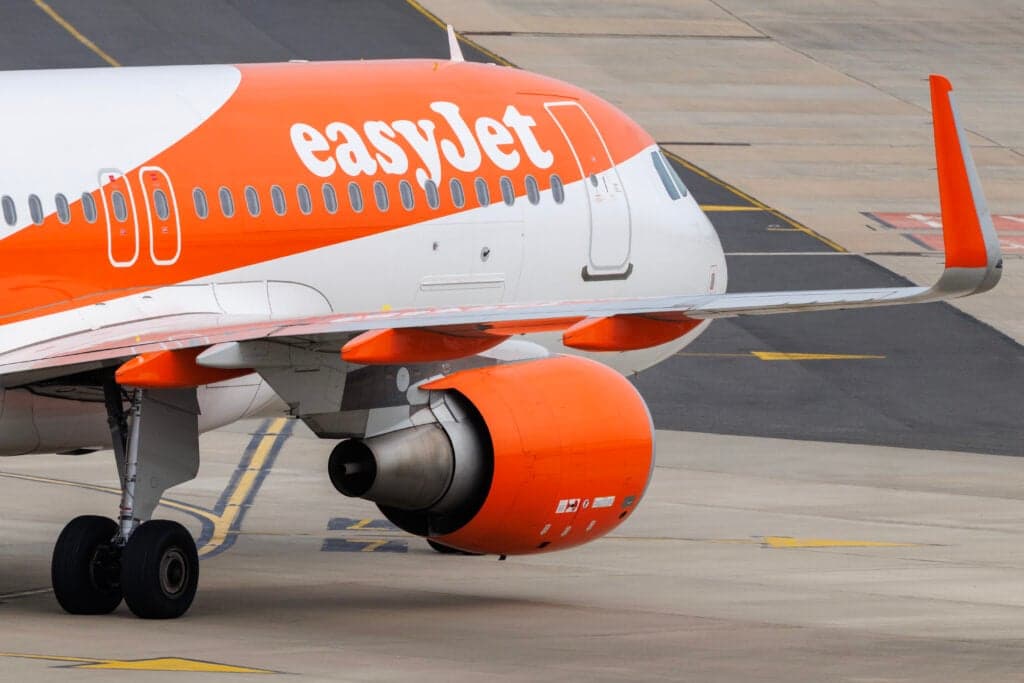
EasyJet has agreed to a £5.7 billion takeover by US private equity giant Apollo, marking one of the biggest changes in the airline's 30-year history.
The budget carrier, which launched in 1995 with just two routes between London and Glasgow, has since grown into the UK's largest airline, operating more than 927 routes across 34 countries.
But while the deal will eventually bring an end to easyJet's time as a London-listed company, many passengers are asking a much simpler question: what will it actually mean for them?
Apollo said it wants to help the carrier grow and does not intend to cut any jobs in the first 12 months after completion, implying passengers can expect largely the same service.
As BBC News reported, the agreement follows months of uncertainty for a business that carries more travelers than many rival UK airlines, employing more than 19,000 people across around 1,200 routes in 35 European countries.
The short answer is not much, at least for now. Looking further ahead, however, the picture becomes less certain.
Although Apollo has said it intends to back easyJet's existing low-cost strategy, analysts believe passengers shouldn't expect cheaper fares once the deal is complete.
The airline had already warned that higher jet fuel costs, driven by conflict in the Middle East, would likely push fares up.
It also revealed earlier this year that summer bookings were trailing behind where they were at the same point last year.
Susannah Streeter, chief investment strategist at Wealth Club, said private equity firms generally focus on improving efficiency while growing businesses.
Streeter adds that Apollo appears to support easyJet's current direction rather than planning a major overhaul.
However, industry experts say the new owners will still be looking for ways to improve returns, making further price increases a possibility.
That said, Apollo is unlikely to price easyJet out of the budget airline market, with competition from Ryanair and Wizz Air continuing to put pressure on fares.
One area passengers may want to keep an eye on is ancillary revenue, the money airlines make from optional extras such as checked baggage, seat selection and priority boarding.
These add-ons already make up a significant part of easyJet's business, generating £2.6 billion over its last full financial year, around a quarter of the airline's total revenue.
Travel experts believe these services could become even more important under new ownership.
Rhys Jones, travel expert at Go.Compare, said passengers are unlikely to notice immediate changes.
He also suggested that areas where easyJet has traditionally been seen as slightly more customer-friendly than some of its low-cost rivals could come under pressure.
The airline currently offers slightly more generous cabin baggage allowances than some competitors, while families are generally more likely to be seated together without paying extra.
If Apollo looks to increase profits, charges for luggage, seat selection or priority boarding could become an obvious area to target.

Entertainment

Entertainment
Entertainment

UK village hit by earthquake as houses shaken and ‘loud boom’ heard
Lancashire tremor felt miles away from its epicentre Residents across Lancashire were left startled after a 2.7-magnitude earthquake hit the area, with people describing loud bangs and houses suddenly shaking. The tremor was recorded near Silverdale at a depth of around 3km, according to the British Geological Survey (BGS). Reports quickly came in from people […]
Entertainment
9h
English mayors are considering to introduce a tourism tax, following other major destinations
Could this help, or damage the hospitality sector? Whether you call in a “visitor levy” or a “tourism tax”, an extra charge for overnight stays is not uncommon anymore. Many major tourism destinations have already implemented similar rules in this modern day of travelling. New York, Prague, Milan, and even Edinburgh, have all already imposed […]
Entertainment
11h
Entertainment
Entertainment

Entertainment
UK flights delayed after ‘technical issue’ with air traffic control
Entertainment