







News

Share
Published 14:19 21 Sept 2026 BST
Updated 14:19 21 Sept 2026 BST
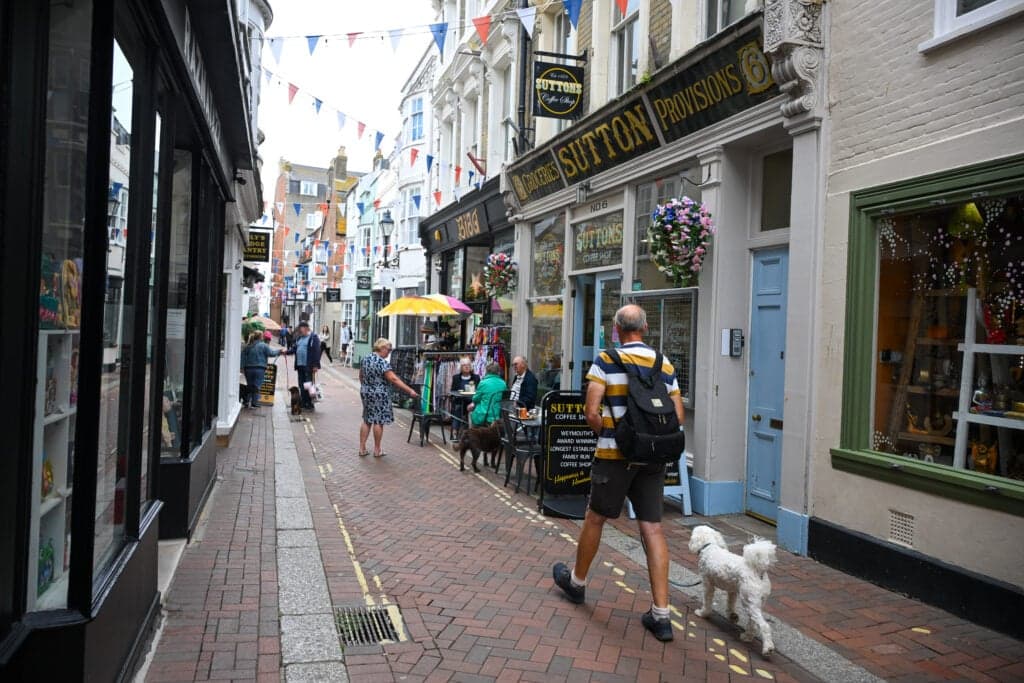
Whether you call in a “visitor levy” or a “tourism tax”, an extra charge for overnight stays is not uncommon anymore.
Many major tourism destinations have already implemented similar rules in this modern day of travelling.
New York, Prague, Milan, and even Edinburgh, have all already imposed such levies on visitors, with England eyeing at the possibility of following their ways.
Some argue that the tax could subsequently pose problems in the hospitality sector as it would add to the tourists' costs of living.
Supporters of the idea, on the other end, argue that the tax would lightly skim off visitors’ wallets, while bringing in some much-needed revenue to the UK.
One report for the Welsh government demonstrated that a well-imposed tax on visitors could surprisingly have a positive impact on the tourism industry.
Destinations in Iceland, Spain, Italy and the US have shown that local communities actually benefit the most from a visitors levy, improving sustainability through funding of environmental projects.
However, we aren’t just talking about a simple tax that can be implemented in mass.
Different destinations require different approaches, from big cities to coastal towns.
Researchers refer to this as an “open complex system”, reffering to the dependencies between accommodations to attractions, restaurants to farmers and international trade. All involved in the web get affected by imposed taxes.
Researchers also mention how difficult it is to predict how tourists will end up spending their money over their séjour.
The average holidaygoer tends to make a budget for their stay, but as the prices go up because of levies, the budget will still remain the same, meaning less spending in eating out, activities and other activities.
There is a true correlation between increasing accommodation prices and decreased spending in leisure.
So while one area of the tourism sector gains from the tax, others will only marginally benefit.
Another question that arises in tourism tax discussions: Who will allocate the funds?
In Wyoming, for example, the funds go towards wildlife preservation, transport and radio, while Colorado directs its gains in mountain-biking trails and restoration.
And in Catalonia, the money is spent on floral displays and streetscape improvements.
However, cities like Venice have seen no improvements as many visitors took day trips, leading to the city implementing and entrance fee altogether.
All in all, there is no copy and paste design, each destination is made unique by its infrastructure, culture and nature. Taking all factors into consideration isn;t an added bonus, it’s a must.
If these levies were to be implemented into England, you must watch out for the nuances.
Get it wrong, and you undermine certain sectors, then the whole commercial infrastructure and the community shatters.

News

News

News
News
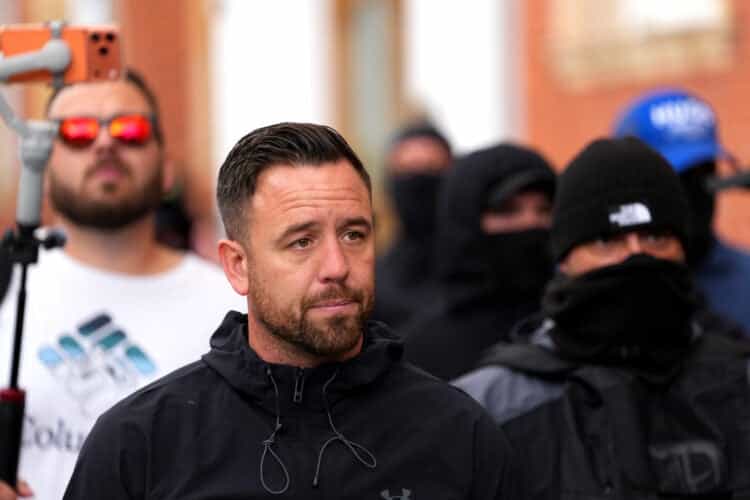
‘A far-right Frank Spencer’ – Danny Tommo buys boat to police Channel, sinks it within weeks
After getting his followers to send him money to buy the boat, the far-right racist was soon asking them for money again to help salvage the vessel. Far-right activist Daniel ‘Tommo’ Thomas was involved in an embarrassing debacle earlier this year after buying a boat to interfere with Border Force operations in the Channel. Thomas, […]
News
just now
A killer who escaped UK prison is on the run after being given day-release for father’s funeral
Gary Anderson was denied permission to attend his father’s funeral but this was later quashed by the courts. A man who murdered a stranger in 2018 has absconded from a UK prison and is currently on the run. Gary Anderson who was then 25, was jailed alongside his brother Sean (24) for the murder of […]
News
14 min
Gianni Infantino told to give every FA in the world £7.5m as FIFA’s reserves set to skyrocket
News