




Politics

Share
Published 13:34 4 Nov 2026 GMT
Updated 13:34 4 Nov 2026 GMT
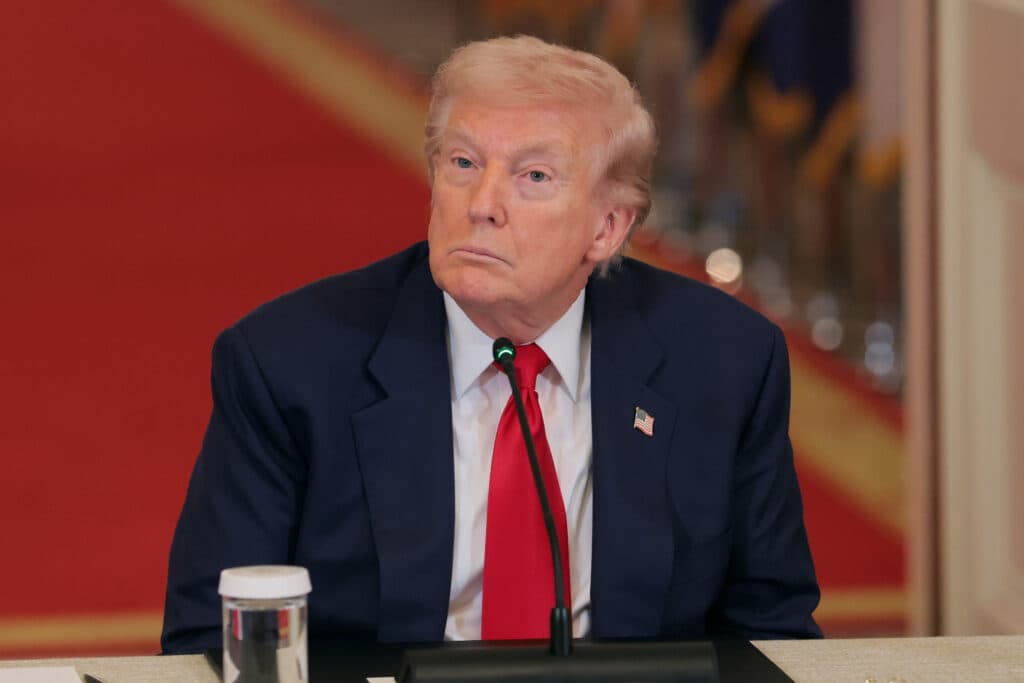
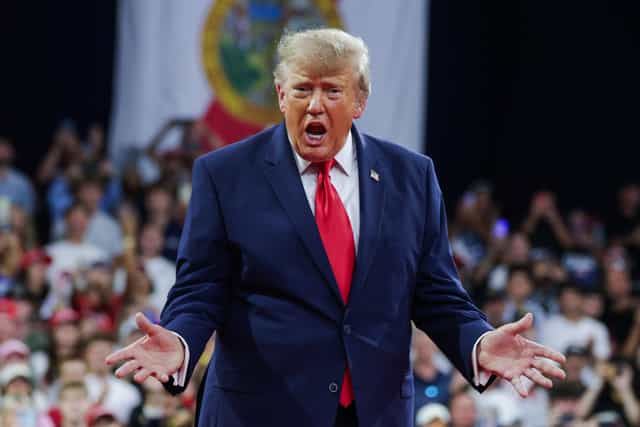
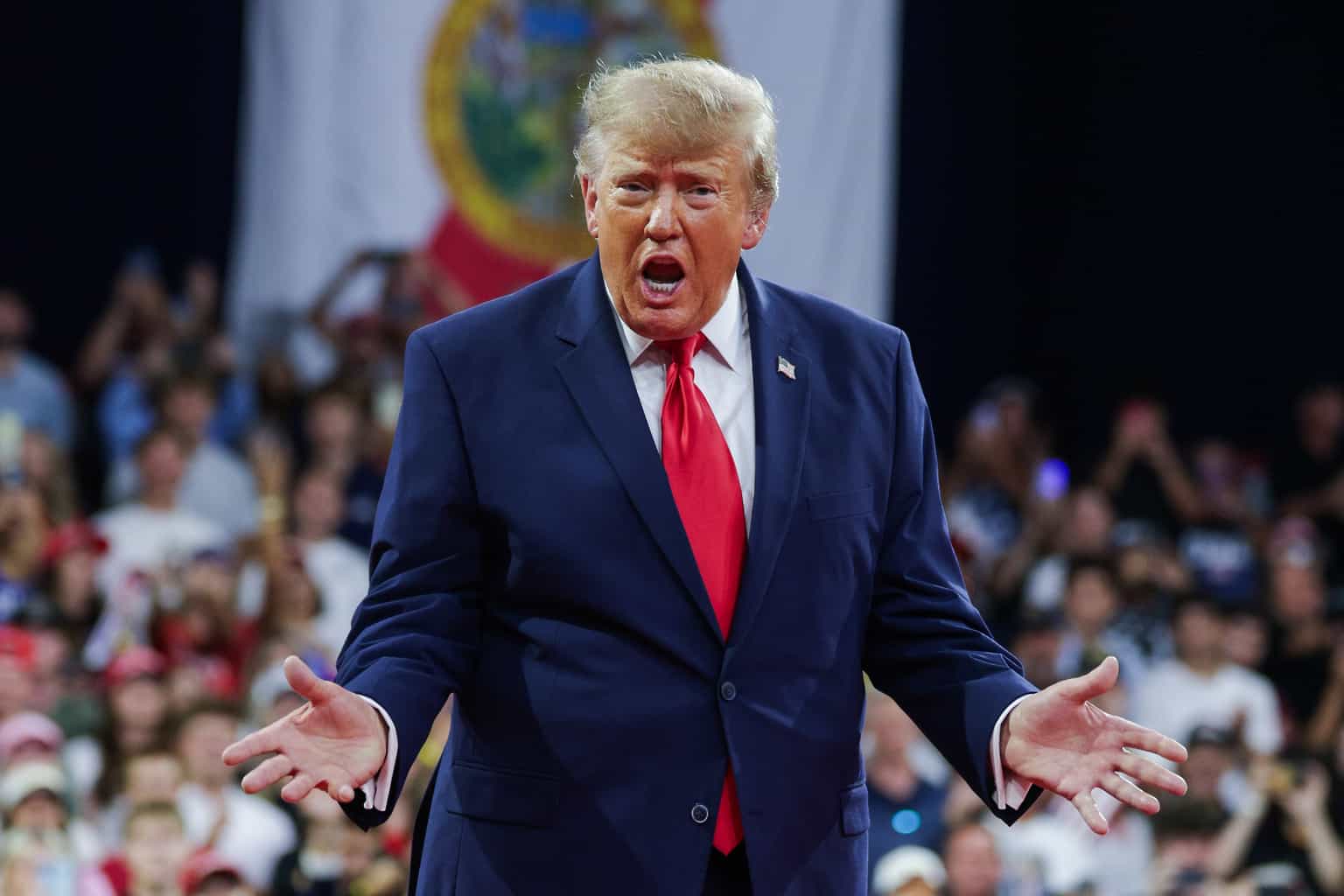
Donald Trump has endured one of the most humiliating defeats of his rollercoaster political career, and - this time - he accepted it with relative grace compared to his previous losses.
Speaking in an interview with Fox News after learning the results, the US president even said that the Democrats did a “good job.”
He also acknowledged that his war in Iran and rising fuel prices played a role in the midterm results.
However, what does this resounding defeat for Trump and the Republicans mean for the US president and the rest of his presidential term?
The midterms, as the name suggests, come around at the halfway point of a president's term where Americans vote for members of Congress, including all 435 members of the House of Representatives and around one-third of the Senate, as well as some governors.
They determine which political party controls Congress and can make it almost impossible for the president to pass laws if their party is in the minority.
Also, like any election, the vote reflects how people feel about the way the country is being run.
In US voting history, the trend tends to be that presidents almost always lose seats, and many lose control of Congress.
Franklin D. Roosevelt and George W. Bush are the only two modern presidents whose parties both gained in the House of Representatives and the Senate during midterm elections.
Clinton, Obama, Biden, George W. Bush all lost control of the House of Representatives in the midterms.
Clinton and Bush are cases where they lost both chambers, with Trump now being added to that list.
The issue with the midterms is that it leaves the two parties at loggerheads and subsequently leads to not much getting done.
Such is the partisan nature of politics, once a president loses Congress, they effectively lose any power to advance legislation.
Any bills proposed by Trump or the Republicans will likely just be shut down by the chambers, while any bills proposed by the Democrats can just be vetoed by the president.
The shift does allow Democrats control on congressional committees, giving them the power to investigate Trump's administration, business dealings and government decisions - including accusations relating to Jeffrey Epstein.
The Democrats will also be able to block many senior government appointments, including cabinet members, ambassadors and federal judges.
Ultimately, the Democrats could also start impeachment proceedings, although this doesn't guarantee Trump's removal.
Despite losing both chambers, Trump still has a number of tools and powers at his disposal to see him through to the end of his presidency.
He can still issue executive orders, although these also have their own limitations and he can, as already mentioned, veto bills passed by congress.
Meanwhile, Trump retains most control over foreign policy, dictating the nation for the next two years and being its spokesperson on the global stage.
However, it is certain that, the US president is now acting with one hand behind his back.

Politics
Politics
Politics

Politics
Donald Trump brutally fact-checked after humiliating Vietnam War blunder
Donald Trump has been hit with a brutal community note on social media after making an embarrassing gaffe about the Vietnam War. During a campaign rally over the weekend, Trump was rambling on when he laughably claimed he could have ended the Vietnam War “in a week.” Speaking to his devoted followers, Trump said: “I […]
Politics
1 day ago
Tucker Carlson claims FIFA Peace Prize winner could nuke Iran ‘within days’
The political commentator has claimed Trump is being pressured by Benjamin Netanyahu. Tucker Carlson has claimed that Donald Trump could launch a nuclear attack on Iran “within days.” Eight months on the US and Israel starting their war with Iran, the conflict that has sparked global economic turmoil shows no sign of ending any time […]
Politics
1 day ago
Politics
Politics