



News

Share
Published 17:15 2 Jul 2026 BST
Updated 17:15 2 Jul 2026 BST
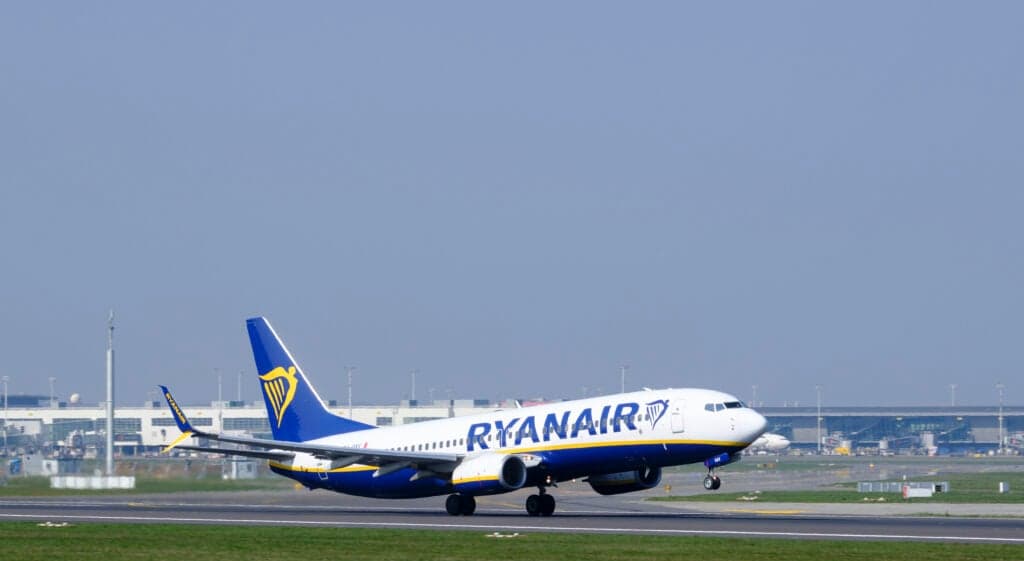
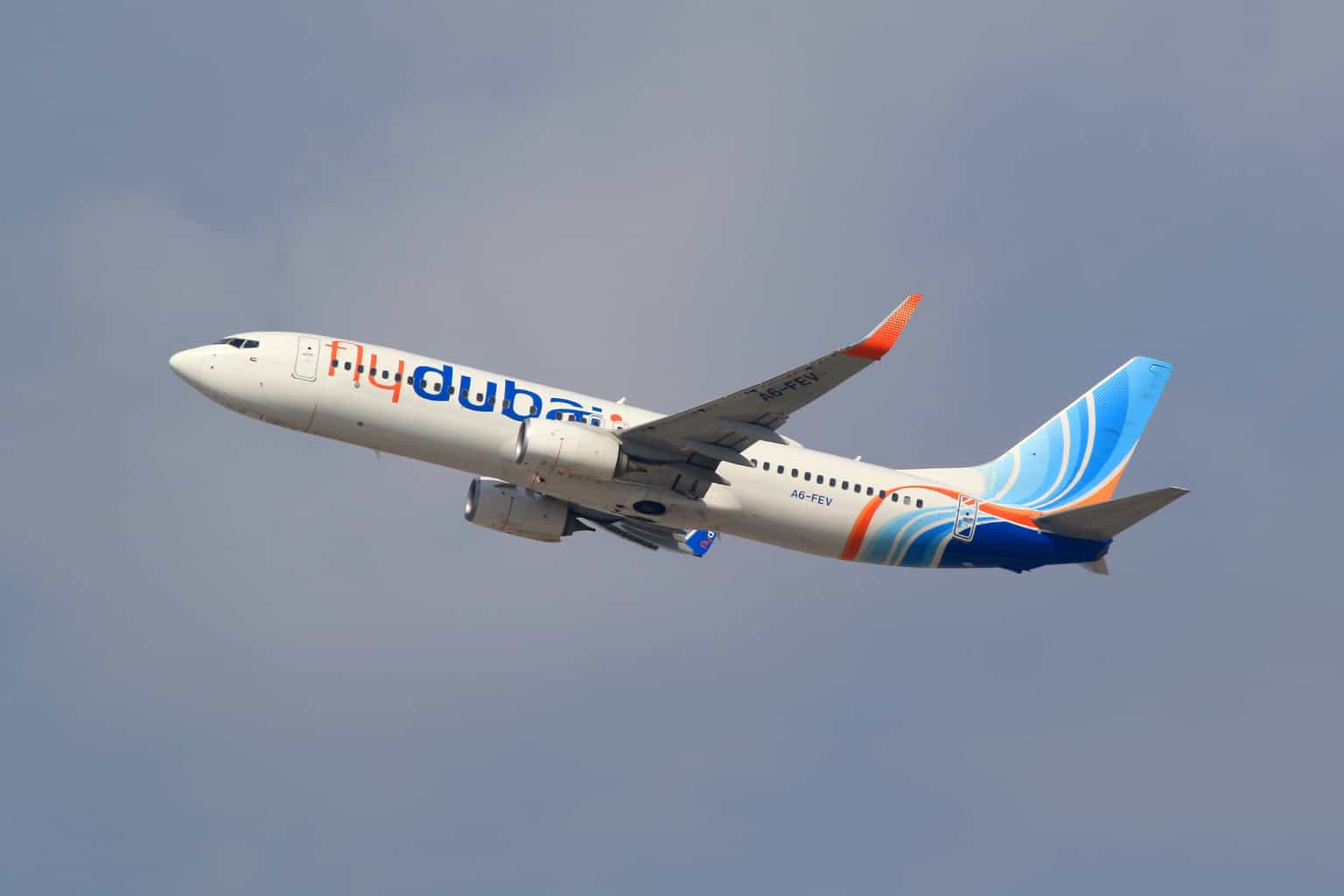
The end of the school term has officially kicked off one of the busiest travel periods of the year, with millions of families getting ready to fly off on their summer holidays.
However, Ryanair has warned passengers that seven airports are still not fully prepared for the expected surge in demand during this busy period.
The airline’s concern centres on the EU’s Entry/Exit System (EES) for passport control, which it claims is not capable of handling the surge in demand during the end of the school term.
Earlier this year, the EU introduced its new EES, requiring travellers from countries outside the European Union to register biometric data when entering and leaving most European countries.
That means having to go through passport scans, fingerprint checks and even a facial photo, all before you've had the chance to buy an overpriced airport sandwich.
To no one's surprise, these extra steps are already leading to longer queues at passport control.
According to Ryanair, the infrastructure is not yet ready to cope with the high passenger numbers expected during peak travel season, pointing to a lack of staff, kiosks and overall system readiness.
The airline says this is already leaving many travellers, including families with young children, facing long and avoidable queues at passport control.


They also claimed that significant disruption is already affecting airports including Tenerife South, Palma, Alicante, Malaga, Milan Bergamo, Krakow and Paris Beauvais.
With the busiest weeks of the summer holidays still to come, the airline warned that congestion is likely to increase even further.
Neal McMahon, Ryanair’s Chief Operations Officer, said passengers and families should not be treated as “guinea pigs” for what he described as a half-finished passport control system.
He warned that it risks causing long queues, missed flights and added stress at airports throughout the summer travel period.
As a solution, Ryanair has suggested delaying the rollout of the EES until September, once the peak travel rush has eased.
The airline cited Greece as an example of a country that has already taken this approach.
The statement continued: “Ryanair calls on European Govts once again to delay the implementation to protect passengers, families and airport operations during the school holiday rush, instead of forcing holidaymakers to endure needless passport control chaos.”
Concerns have already repeatedly been raised about the EES and the disruption it is causing at airports.
Stefan Schulte, president of European airports trade body ACI Europe, has claimed that he is unsure how airports across the continent will manage the growing delays, which he links to the EU’s new border control system.
Additionally, industry groups including ACI Europe, Airlines for Europe, and the International Air Transport Association have issued an open letter warning that delays linked to the EES have now reached a “critical point”.
In their letter, the groups said travellers have already faced lengthy waits outside airport terminals and in exposed areas, after border control operations were unable to keep up with the pace of incoming arrivals.
They added that airlines are now seeing situations where planes depart with empty seats at the gate closing time, as passengers remain stuck in border control queues and unable to reach their flights.
According to the letter, some flights have even been forced to delay take off in order to wait for passengers who were still stuck in queues at border control.
To highlight the severity of the situation, the group said queues are now reaching up to five hours during peak times.
Schulte has urged politicians to stop acting as if the EES is functioning smoothly, insisting that it is not.
He added that the system should be temporarily suspended when necessary in order to prevent chaos.
News

News
News
News
Macklemore’s ‘Free Palestine Tour’ date in Dublin sells out in just five minutes
Dublin fans had minutes to grab Macklemore tickets Macklemore’s Dublin show has completely sold out, with fans claiming tickets for the rapper’s Free Palestine tour disappeared within minutes. The 3Arena gig, set for 26 October, was announced last week alongside dates in Paris and London. But anyone hoping to grab a ticket had to move […]
News
2 days ago
Ferry passengers travelling from UK to Ireland face passport checks for first time in 100 years
New checks cover several major Ireland to Britain routes Anyone catching a ferry between Ireland and Great Britain now needs to think twice before heading to the port, with passengers on several routes being asked to have their passports ready. The new requirement came into effect on Monday and covers sailings from Dublin and Rosslare, […]
News
2 days ago

News
USS Klakring sunk off Scotland during joint UK-US drill
News