







News

Share
Published 17:39 14 Aug 2026 BST
Updated 17:52 14 Aug 2026 BST
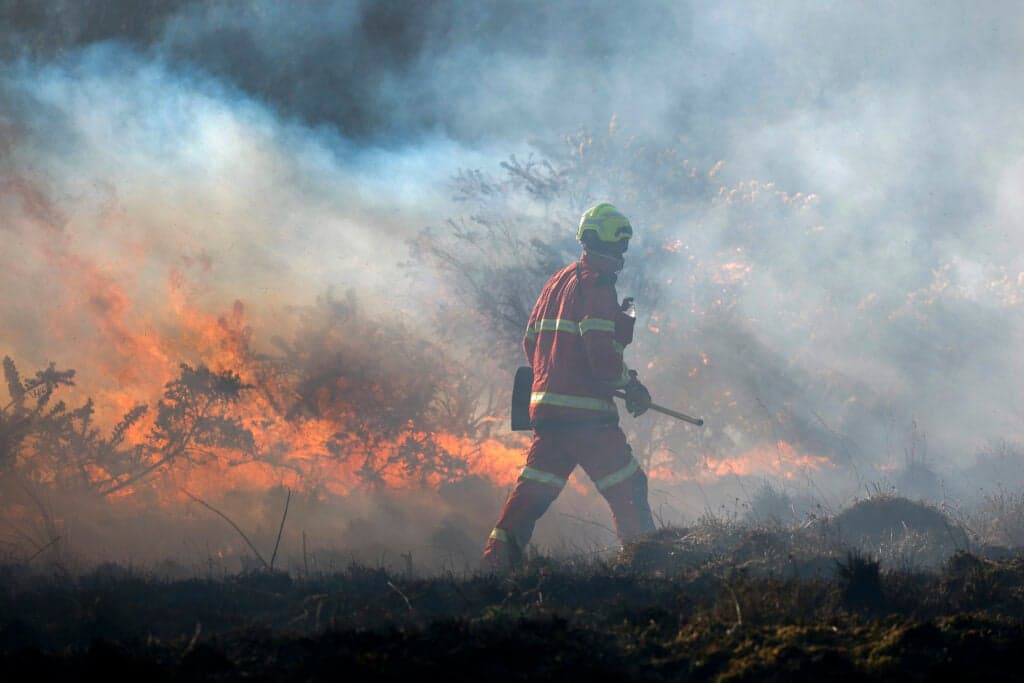
The scene across the nation in the last few days has felt apocalyptic - the United Kingdom is on fire, homes are burning, infrastructure is crumbling and people are dying from the heat.
It is a scene which experts have been warning us about for decades now, swimming against a tide of big oil corporations, billionaires and those too lazy to realise that change isn't always easy.
That tide is now evaporating, as the extreme heat and its consequences have laid bare the salty reality of what a world subjected to ever-increasing temperatures could look like.
The worst thing about it all? This is just the beginning... and the people who could've done something about it (allegedly) knew it all along.
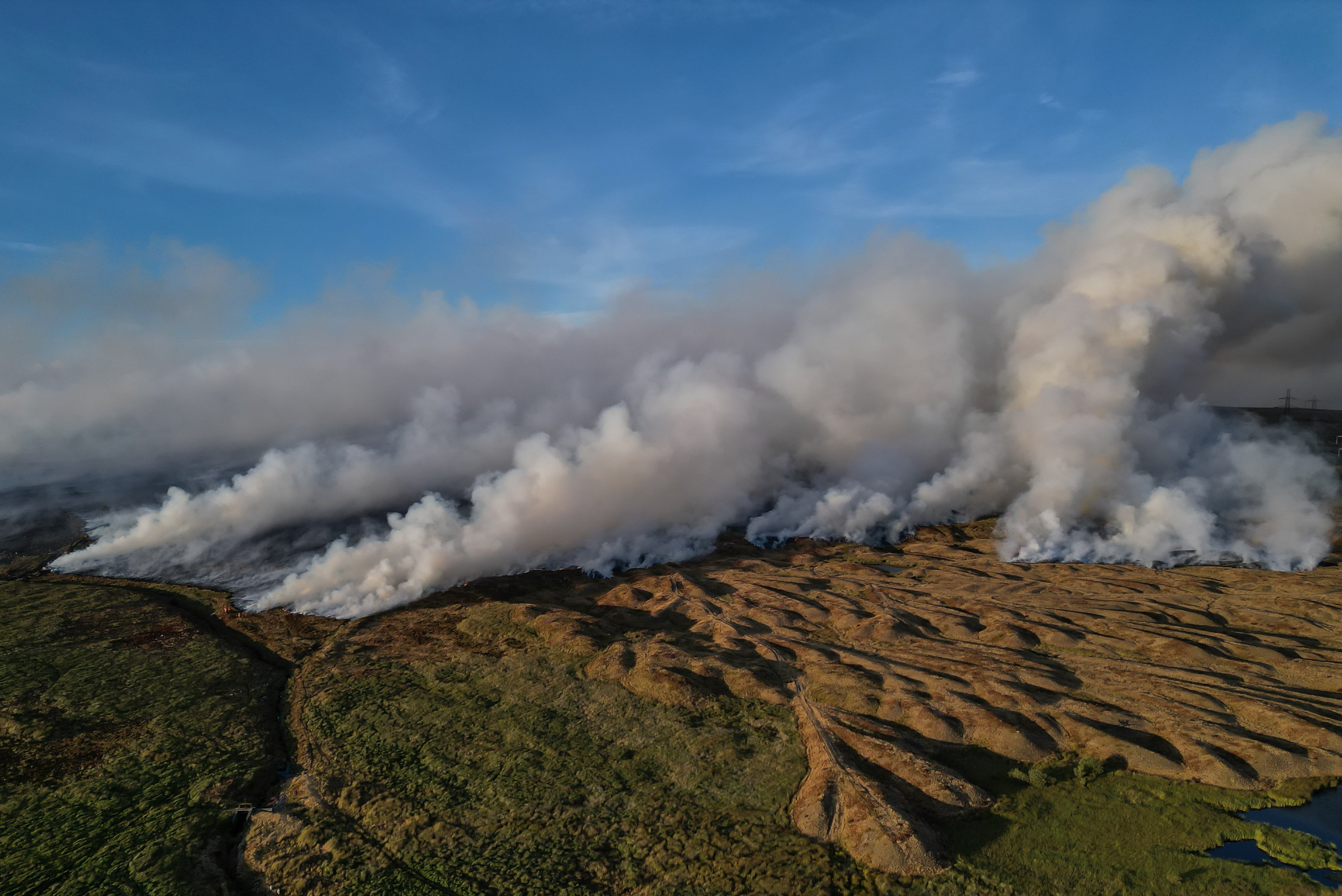
Wildfires have raged across the nation. Image: Getty.
For decades, the issue with climate change, the artist formerly known as global warming, was its elusive existence as just warnings in a form of a prediction - it must be said a prediction based on science and data.
As time progressed, for those living in the West, the issues of islands disappearing in the Pacific and extreme weather phenomena thousands of miles away were swept aside with the mantra "that couldn't happen here".
So verbal warnings and physical warnings came and went and the denial continued.
However, as the phrase 'seeing is believing' lays out, only a denier who covers their eyes could be blind to the current situation in the UK - and beyond.
It has taken more than 1,000 wildfires in the UK this year, 19 houses gutted by the flames, and potentially the derailment of a train (or two) - although no official causes has been given yet - for people to realise that things are getting out of hand.
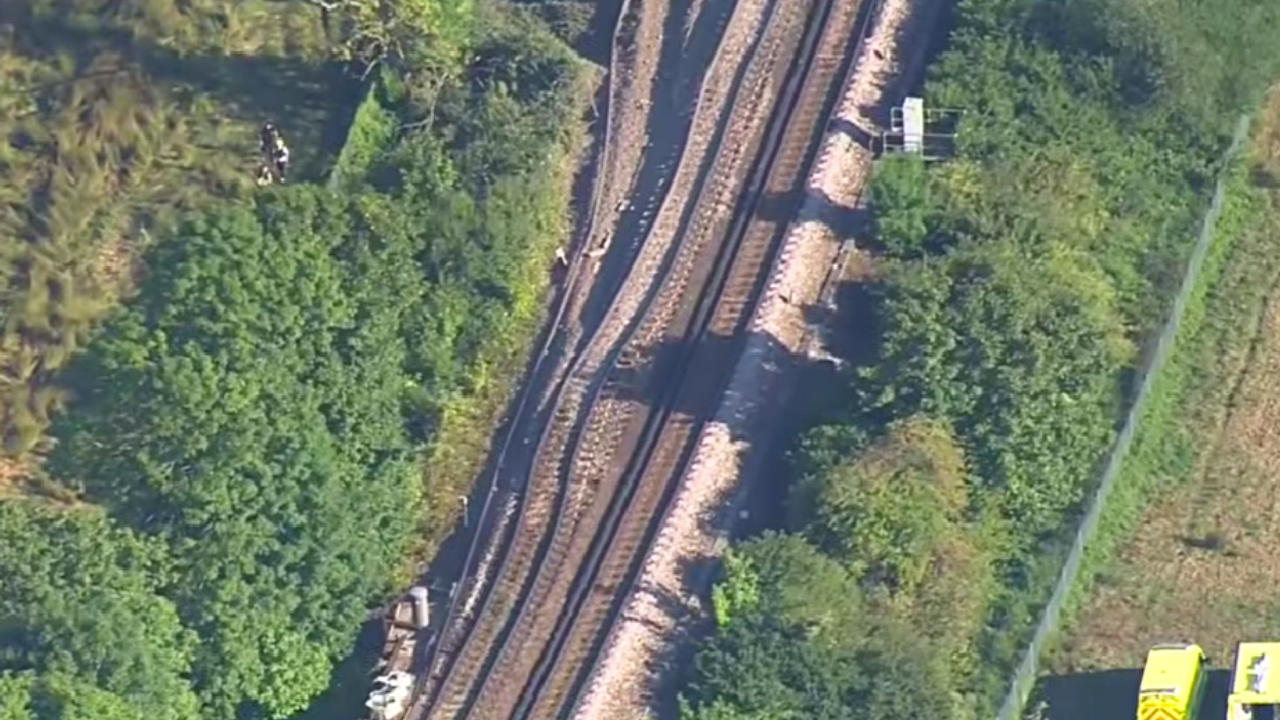
While no cause for the derailment has been given, TV images clearly show buckled tracks due to heat expansion. Credit: Sky News screenshot.
Around 25,000 hectares of land in the UK is estimated to have been scorched by wildfires as of 10 August according to EFFIS, a number expected to rise dramatically.
This goes without even mentioning the harrowing affect the dry, hot weather is having on farmers across the nation.
The worst thing about these statistics is that it's not that they're beating records from 100 years ago, or 50 years ago, the UK keeps beating records from this century, a worrying trend.
As per the Met Office, only one of the 10 hottest days in recorded British history have come before 1990.
Meanwhile, just three of the 10 predate this century and six of the 10 were this decade - it doesn't take a graph to visualise this trend.
If you needed more proof, just three of the hottest days by month of the year came before the year 2000.
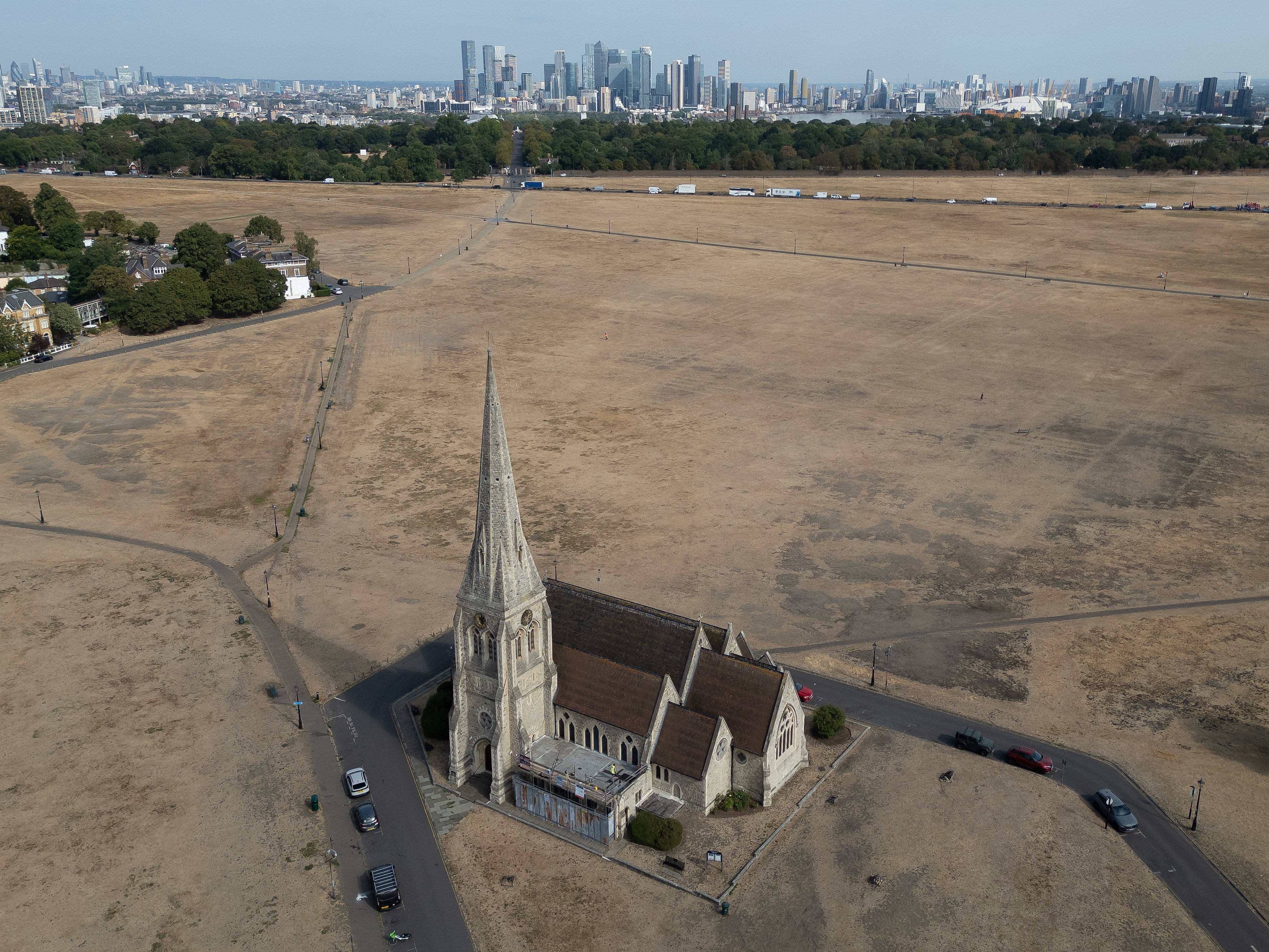
The colour of this grass is a common sight across the nation. Image: Getty.
And, to put the nail in the coffin, not a single record for coldest day by month of the year has been broken since 1995.
Even The Telgraph, YES, The Telegraph conceded to climate change at the end of July this year, calling on the right-wing to "get serious" about it - if that doesn't tell you the end times might be here, nothing will!
One of the issues with heat related death is that it is rather invisible.
Heat can trigger a multitude of malaises in the human body and is often attributed as a secondary cause of death rather than a primary.
Think of cardiac arrest, asthma, diabetes, kidney disease, etc. - all these things can be exacerbated by heat.
In a report, Bloomberg estimates that more than 25,000 people have died due to extreme heat in Europe this year - that was published on 6 August, it is likely many more have died since.
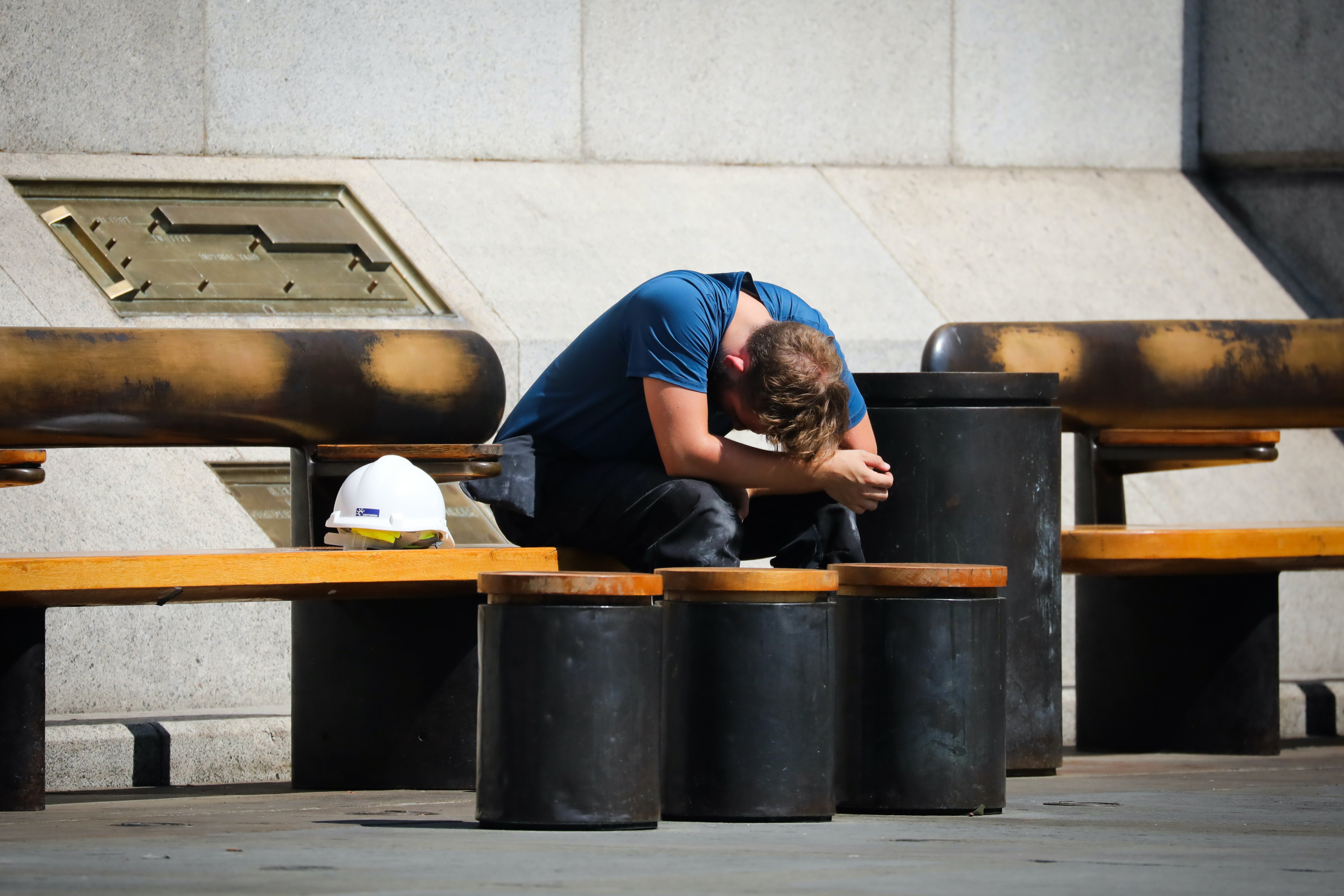
In May and June alone, the UK government estimated that there were 2,877 heat-associated deaths.
The Met Office estimate that 42% of these deaths were caused by human-induced warming, around 1,208 people.
Now, while this may sound flippant, imagine 1,208 people were killed collectively by any other human-caused catastrophe, say a terrorist attack or a plane crash caused by human error - imagine the sheer uproar and outpouring of discontent.
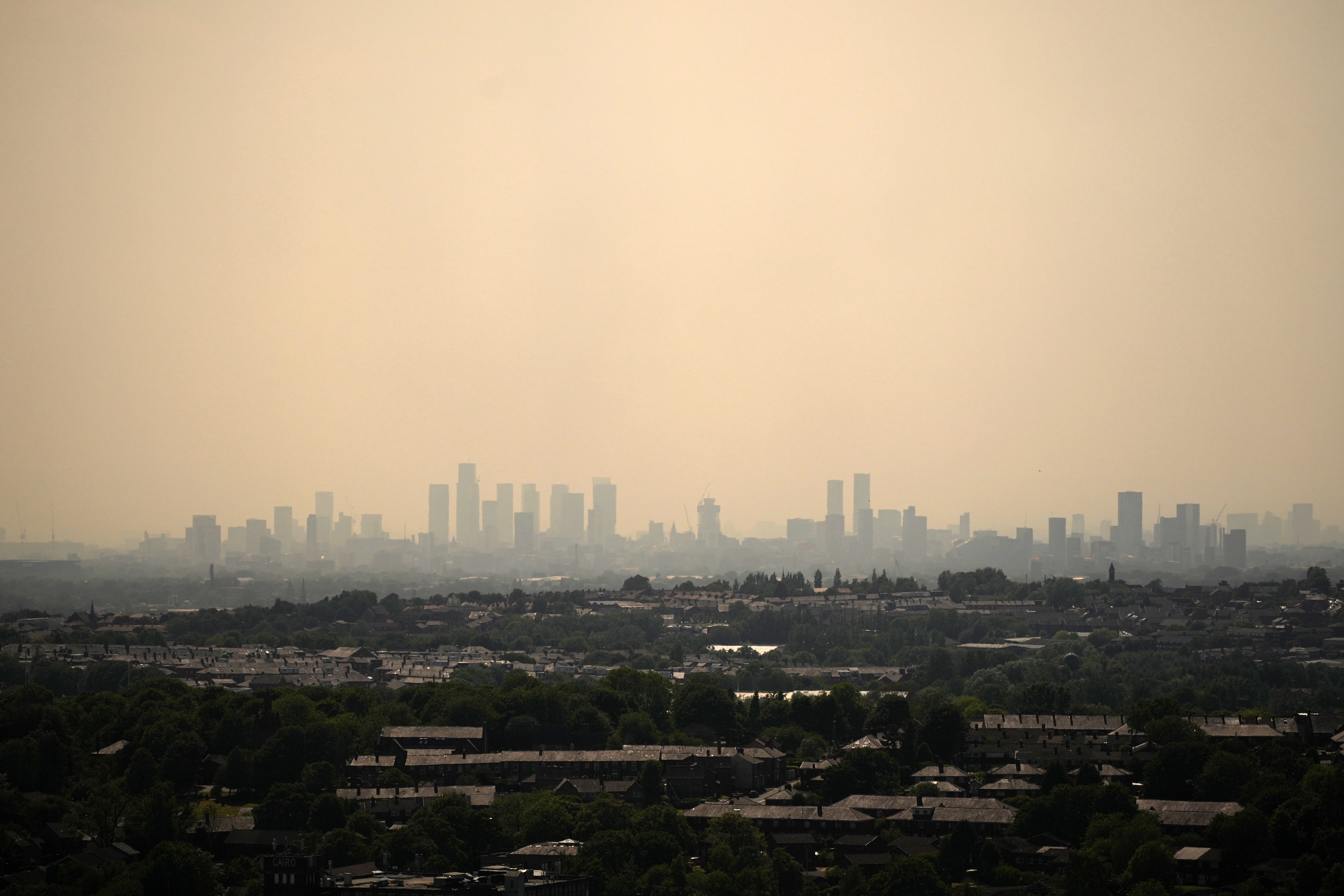
Smoke hangs over the Manchester skyline after wildfire. Image: Getty.
It is ignorant at best that society continues to treat such heat-events any differently, but it seems people are finally waking up thanks to the proliferation of the physically body of this silent killer.
Someone dying from a heat-induced illness wasn't enough, but the sight of houses burning due to wildfires, forests and heathland being decimated and public infrastructure grinding to a halt as train tracks yield to the sheer heat subjected upon them.
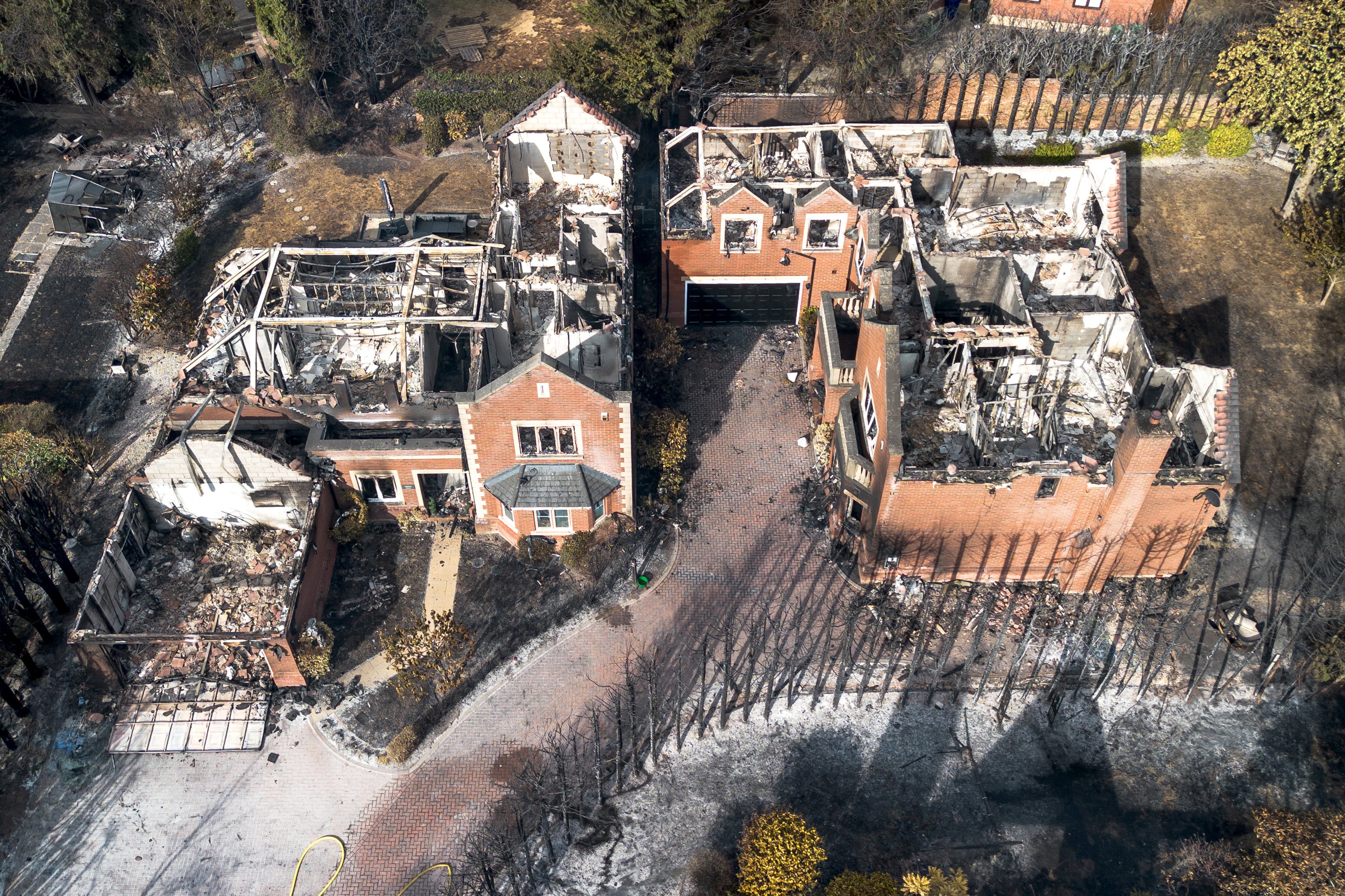
The scorched remains of houses burned down in West Midlands wildfire. Credit: Getty.
Climate change has a physical projection, and it is known as chaos.
While the issue of climate change is a collective one, it is obvious there are some more culpable than others.
Big oil has an (alleged) dirty secret - which is not much of a secret anymore - that many of the world's biggest fossil fuel companies knew about the effects of climate change decades before it worsened.
Now, of course they all deny this, but many scientists and climate activists continue to point the finger.
The most high-profile case is that of ExxonMobil, the largest US oil company, and one of the biggest in the world.
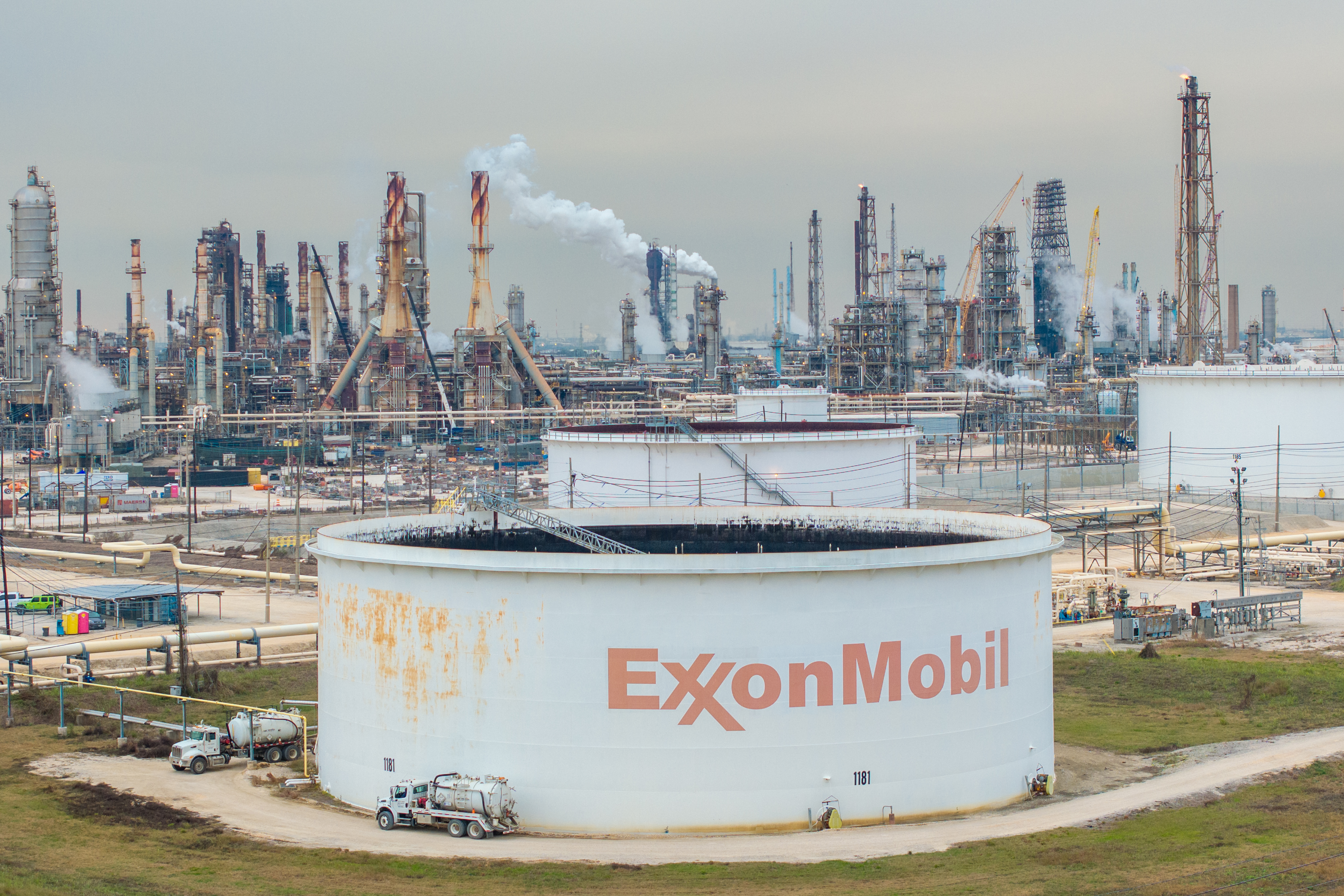
Activists allege that ExxonMobil were aware of the effects of climate change decades ago. Image: Getty.
The story goes that in the 1970s, private research conducted by the company predicted how burning fossil fuels would warm the planet with activists claiming they ignored this data.
And this doesn't just go for ExxonMobil. The Stanford Research Institute presented a report to the American Petroleum Institute (API) in 1968 that warned the release of carbon dioxide from burning fossil fuels could carry an array of harmful consequences for the planet.
So yeah, it's hard to say they didn't know.
And, it's also hard not to connect these companies to the extreme heat we're seeing today.
An Oxfam report from the end of July stated that: "Emissions from five fossil fuel corporations were enough to cause about 1 in 4 heatwaves between 2000 and 2023, which would have been virtually impossible without climate change."
Oxfam’s Climate Policy Lead Mariana Paoli said: "Fossil fuel corporations are making a killing, literally and figuratively."
That's quite the burn - literally and figuratively.
Responsive action will need to be taken as the world moves forward. Image: Getty.
The reason why scientists and environmentalists were so keen to raise the profile of climate change is that it's rather hard to reverse once the damage has been done.
Certainly, the effects of it are irreversible on a timescale of humans alive today, that's what Nasa says.
While much of what is going on around us is worrying with climate change trends curving upwards ever since their inception, limitation could still be possible, but we are skirting very close to the point of no return
For years, the warning has been the global average temperature rising by 1.5C to 2C.
Currently, we sit at 1.2°C to 1.4°C.
After this barrier is breached, irreversible tipping points are triggered, such as coral reefs dying out, ice sheets completely melting and the Amazon rainforest turning into a desert.
And, just like this year, the continuation and increase of wildfires and infrastructure cause meltdown in a country not designed for it.
This means change is required, to slow the effects of climate change, but also to increase the protection of everyone currently living with it, by investing in infrastructure and extreme weather related measures, such as laws on working in heat or heat shelters being installed.
Britain has had a rude awakening to the realities of climate change and its effects are already here no longer knocking on the window, but bursting through the door.
Humans must adapt, if not for ourselves, for those to come.

News

News
News
News
BBC boss gives update as TV licence ‘could be scrapped for alternative’
The BBC director general said the corporation is held back by the TV licence The BBC director general has spoken out about the TV licence fee, following reports that the government is looking at new alternatives. This follows a report from last week that advisors to Culture Secretary Lisa Nandy have proposed alternatives to the […]
News
1 day ago
LIVE: RAF Fairford alleged terror plot latest
All the latest updates Counter terrorism police have confirmed the nationalities of the five men arrested in the RAF Fairford incident on Sunday. According to the police, the five men arrested are all British. Counter terrorism police have confirmed that the men arrested are all from London and aged between 23 and 25. The group […]
News
1 day ago
News
King Charles ‘blocked’ from contacting legendary explorer by his wife
News