







Climate Change

Share
Published 15:21 14 Nov 2021 GMT
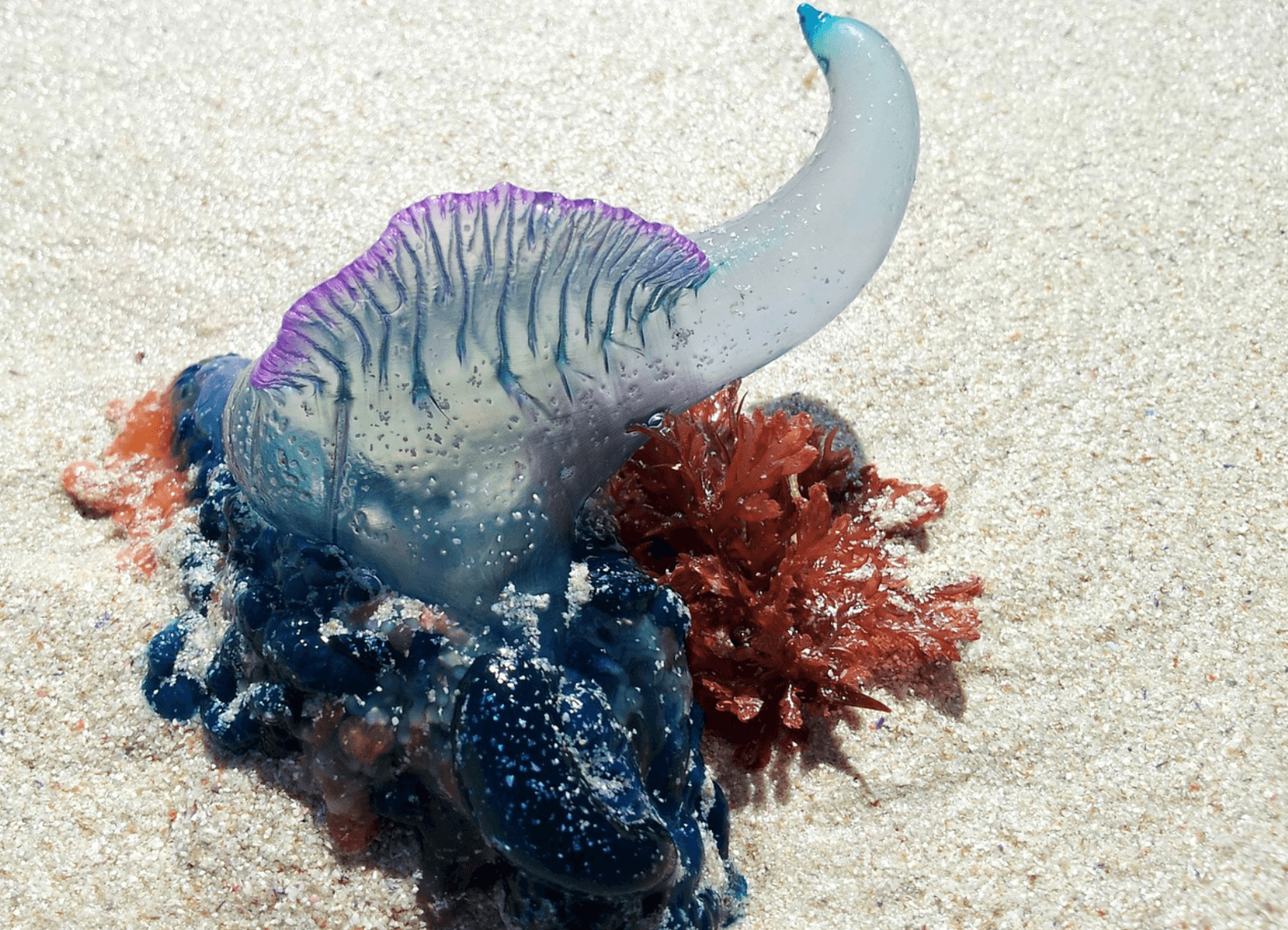
 The alien in question/Via Pixbay[/caption]
He told the Liverpool ECHO: "[It was] very strange at first I thought it was a balloon until I had a closer look and identified it using an app and realised what it was and how dangerous they are and looked up that they have been washing up along the coast from Cornwall to Cumbria."
https://twitter.com/FyldeSandDunes/status/1458413780396806150?ref_src=twsrc%5Etfw%7Ctwcamp%5Etweetembed%7Ctwterm%5E1458413780396806150%7Ctwgr%5E%7Ctwcon%5Es1_&ref_url=https%3A%2F%2Fwww.liverpoolecho.co.uk%2Fnews%2Fliverpool-news%2Falien-washes-up-beach-near-22133977
Sometimes called the blue bottle jellyfish, despite it not being a jellyfish, the Man O'Wars are carnivorous hunters, with a particularly nasty paralytic sting. Though they can and have killed humans in the past, it's not as common as you might think.
Their true horror-movie quality is their tentacles, which can reach a staggering 100ft.
Across the Irish sea in St Anne's, another warning has been issued after another jellyfish washed up onshore.
The Fylde Sand Dunes Project tweeted: "Look at what's washed up on the shore at St Anne's. It's not a jellyfish... it's a Portuguese Man O War!"
https://twitter.com/FyldeSandDunes/status/1458413788202475523
Another tweet added: "After last week's stormy weather, Portuguese Man O War's have been spotted on beaches all over the North-West!
"If you do see one though, please don't touch it!
"They have a painful sting which they use to catch fish, but their tentacles can still sting after they are dead!"
It's also essential to bear in mind that you can still be stung even if the creature is dead, so keep kids and children away from these intergalactic invaders.
The alien in question/Via Pixbay[/caption]
He told the Liverpool ECHO: "[It was] very strange at first I thought it was a balloon until I had a closer look and identified it using an app and realised what it was and how dangerous they are and looked up that they have been washing up along the coast from Cornwall to Cumbria."
https://twitter.com/FyldeSandDunes/status/1458413780396806150?ref_src=twsrc%5Etfw%7Ctwcamp%5Etweetembed%7Ctwterm%5E1458413780396806150%7Ctwgr%5E%7Ctwcon%5Es1_&ref_url=https%3A%2F%2Fwww.liverpoolecho.co.uk%2Fnews%2Fliverpool-news%2Falien-washes-up-beach-near-22133977
Sometimes called the blue bottle jellyfish, despite it not being a jellyfish, the Man O'Wars are carnivorous hunters, with a particularly nasty paralytic sting. Though they can and have killed humans in the past, it's not as common as you might think.
Their true horror-movie quality is their tentacles, which can reach a staggering 100ft.
Across the Irish sea in St Anne's, another warning has been issued after another jellyfish washed up onshore.
The Fylde Sand Dunes Project tweeted: "Look at what's washed up on the shore at St Anne's. It's not a jellyfish... it's a Portuguese Man O War!"
https://twitter.com/FyldeSandDunes/status/1458413788202475523
Another tweet added: "After last week's stormy weather, Portuguese Man O War's have been spotted on beaches all over the North-West!
"If you do see one though, please don't touch it!
"They have a painful sting which they use to catch fish, but their tentacles can still sting after they are dead!"
It's also essential to bear in mind that you can still be stung even if the creature is dead, so keep kids and children away from these intergalactic invaders.

The world could end in 25 years, says Oxford scientist
Climate Change

Climate Change

Climate Change

Climate Change
Climate Change
Major earthquake hits Japan days before new Baba Vanga predicted date
It had a magnitude recording of 5.5 Another so-called prophet has risen to steal Baba Vanga‘s thunder. MailOnline reported of a major earthquake striking Japan yesterday (July 3), two days before manga artist Ryo Tatsuki claimed a natural disaster would unfold in her graphic novel ‘The Future I Saw’. A magnitude reading of 5.5 was […]
Climate Change
1 year ago
Experts issue warning that Putin could attack the UK by blocking the sun
Taking inspiration from Mr. Burns of all people Russian leader Vladimir Putin may end up weaponising solar engineering technology against the UK, it’s been suggested. Intended to limit global warming, this fantastical tech would see aerosols deployed in the Earth’s atmosphere to reflect light back into the black expanse of space, yet experts are warning […]
Climate Change
1 year ago
Climate Change
David Attenborough says he is ‘approaching the end of his life’
Climate Change