






Politics

Share
Published 11:30 29 Jul 2026 BST
Updated 10:48 29 Jul 2026 BST
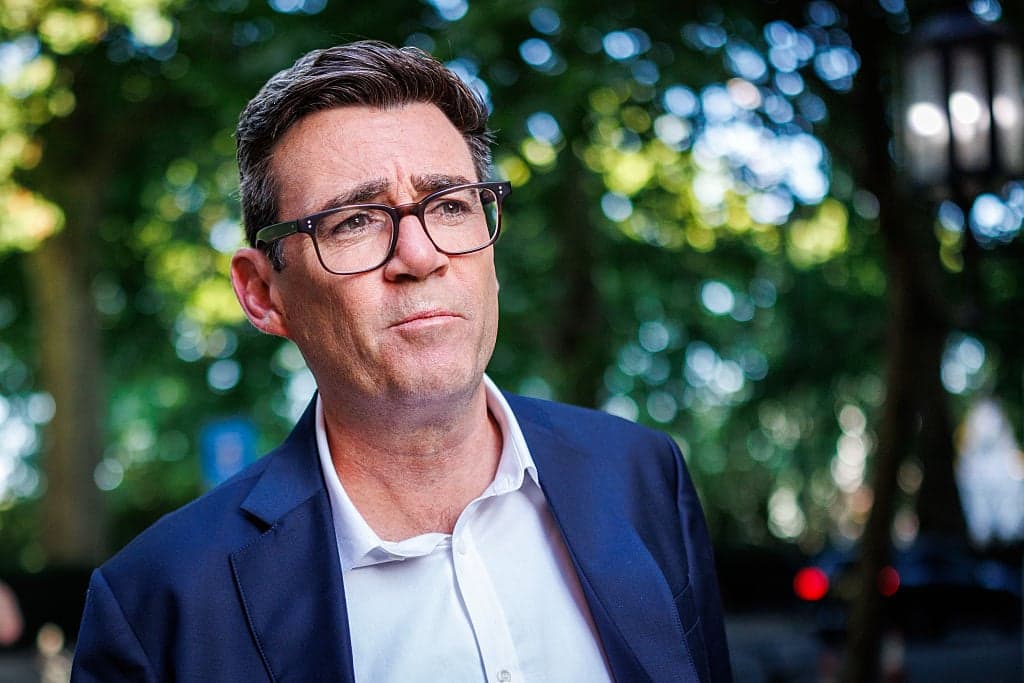
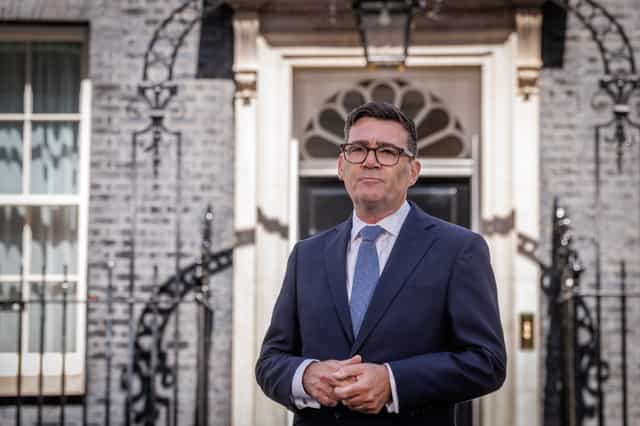
The Autumn budget faces "very difficult trade-offs" if the Iran war keeps oil prices and inflation high, a leading thinktank has warned, handing new Prime Minister Andy Burnham what it calls a "challenging inheritance".
With oil prices having briefly climbed back above $100 a barrel and the strait of Hormuz all but closed since March, a leading thinktank, the National Institute of Economic and Social Research (NIESR), said it expected inflation to rise to 3.8% over the next seven months. That would force Chancellor John Healey to find an extra £24bn by the end of the decade to maintain services and real-terms welfare payments.
The institute cut its forecast for the chancellor's spending headroom from just over £7bn to nearer £3bn. The Office for Budget Responsibility had estimated in March that the Treasury held about £22bn of spare capacity above existing commitments. The NIESR also downgraded UK growth to 1.1% this year and next, warning the economy would suffer £28bn in lost growth over two years compared with January forecasts.
Burnham faced "a challenging inheritance" with spending "eroded by inflation", coupled with the highest borrowing costs in the G7, new spending demands and cost-of-living pressures.
David Aikman, NIESR director
For households already wondering what Andy Burnham's government means for your payslip, the analysis underscores how the Middle East conflict is reaching far beyond the region. With the prime minister's plans to revamp public services now under severe pressure, the autumn statement is shaping up to be the toughest test yet of his young premiership.
Explore more on these topics:

Politics
Politics
Politics
Politics
Barclays profits soar as Andy Burnham is urged to launch a bank tax raid
What Barclays reported Prime Minister Andy Burnham has been urged to launch a tax raid on UK banks after Barclays revealed a near-30% jump in its half-year bonus pool on the back of soaring profits, with the TUC arguing the lender “can easily afford to pay more tax”. Corporate filings released on Tuesday showed Barclays […]
Politics
20h
Andy Burnham unveils biggest schools reform in 15 years
Prime Minister Andy Burnham is unveiling the biggest overhaul of education in England for 15 years, giving pupils a clearer pathway into work from the age of 14. Speaking to the BBC, Burnham said children will be able to study subjects such as manufacturing and AI alongside core academic learning, with courses available from Year […]
Politics
1 day ago
Embarrassing hot mic moment for Robert Jenrick after GMB interview
Politics