

news
Share
Weather experts urge governments to ‘act now’ in face of El Niño bound disease warnings
Published 15:04 6 Oct 2026 BST
Updated 15:05 6 Oct 2026 BST
Homenews
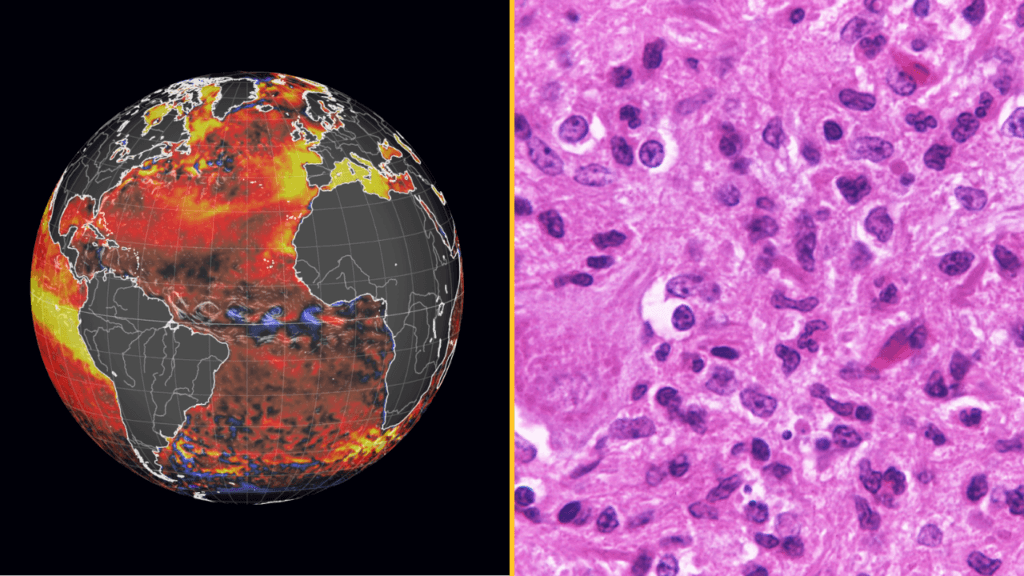
El Niño forecasts for 2026 are worrying experts with disease warnings
Despite the record breaking temperatures felt throughout the summer accompanied by wildfires and droughts, El Niño is set to intensify significantly over the rest of the year as experts are calling on governments across the globe to “act now”.
Occurring every few years, El Niño tends to bring soaring heat during the Summer, and stormier conditions during the Winter.
Experts say that this time around we will witness the strongest El Niño “in living memory”, but that “we still have time to act”, according to Secretary-General of the World Meteorological Organization (WMO) Celeste Saulo.
Saulo has called on authorities around the world to treat the phenomenon “as the predictable public-health risk that it is”.
Countries in the southern hemisphere - which are reaching summer months - are said to face the hottest months as we approach 2027, just as El Niño will start peaking.
Real risks the WMO urges world governments to look out for
It isn’t just soaring temperatures that strike fear into the WMO, as “death and severe illness” are also expected.
Extreme Heat Advisor from the WHO-WMO Climate and Health Joint Programme Armel Castellan talks about above average rainfall matched with drought risks.
He added that the forecasted conditions put “water security, nutrition, and vector-borne disease on the table”.
Castellan makes the point to health authorities, saying: “The WMO seasonal outlooks buy us much needed lead time, and that lead time is what lets health authorities look ahead and prepare, rather than repair.
“If health practitioners can make informed decisions, this can make the difference between losing lives or saving them.”
WMO’s flashing lights and disease warnings
From varying rainfall patterns to soaring temperatures, these are set to increase the number of disease carrying mosquitoes, with Malaria, dengue, chikungunya, yellow fever and Zika possibly spreading to regions where they are not usually seen.
However, the WMO specifically points to cholera and malnutrition as the biggest contributors to the incoming weather charged chaos.
The organisation says that these will be predominant in regions that will suffer from floods and droughts.
“El Nino is a significant public health threat, not just a climate phenomenon,” says Teresa Zakaria, Unit Head for Risk Reduction, Humanitarian Operations and Climate Change at WHO.
“It is a risk multiplier, and we expect to see health impacts across the world.”
“However, the most severe impacts will be experienced where climate shocks intersect with weak health systems, limited access to health care, food insecurity, displacement and humanitarian crises.”
Explore more on these topics: