








News

Share
Published 10:27 23 Sept 2026 BST
Updated 10:27 23 Sept 2026 BST
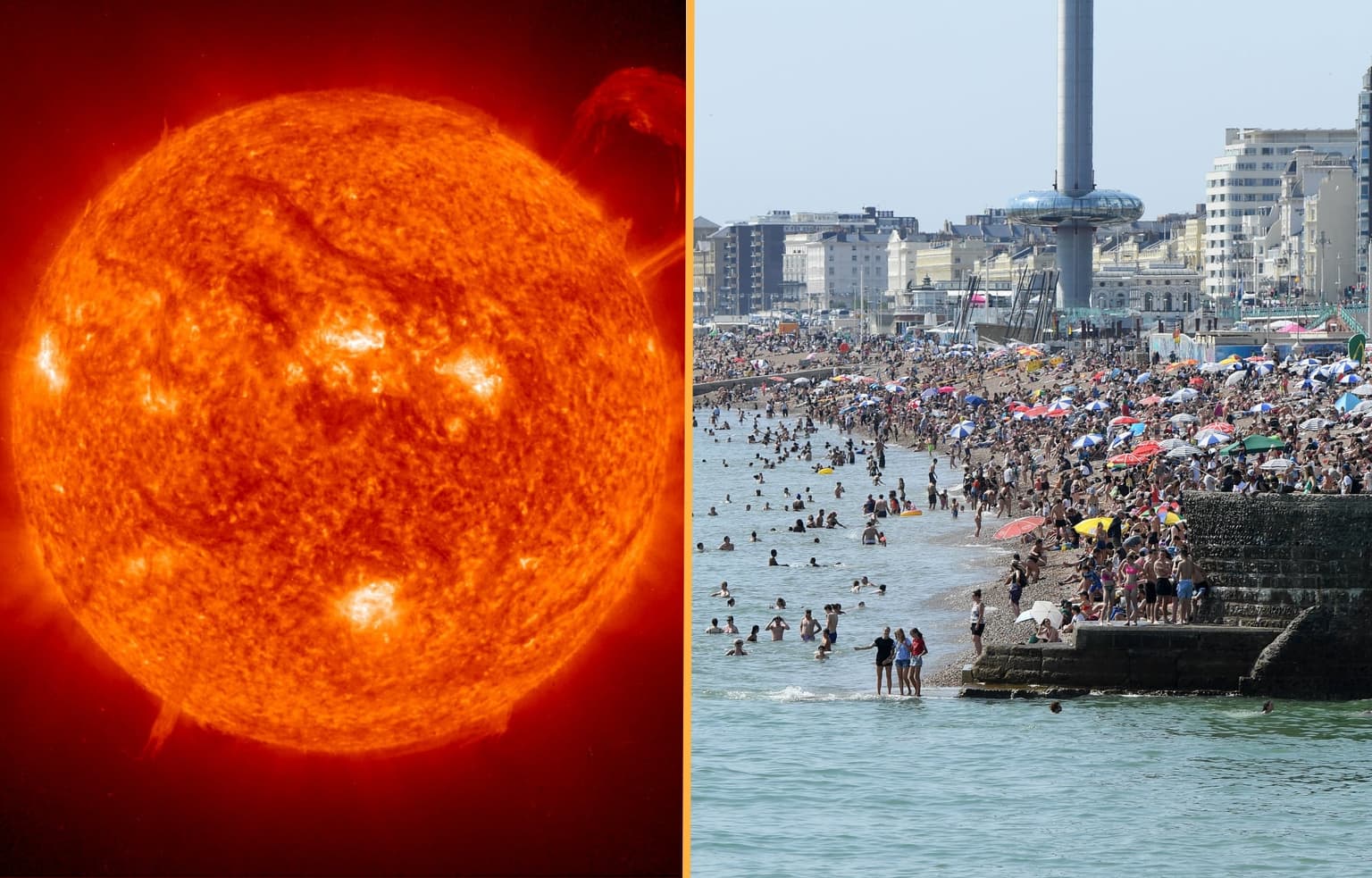
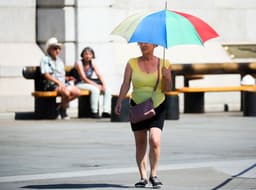
Estimates by climate scientists have revealed that the heat brought by the super El Niño in the next six months will cause an alarming number of deaths.
Nearly half a million deaths are expected to get caused by the super El Niño event, a toll on top of the early deaths resulting from temperatures already driven up by the climate crisis.
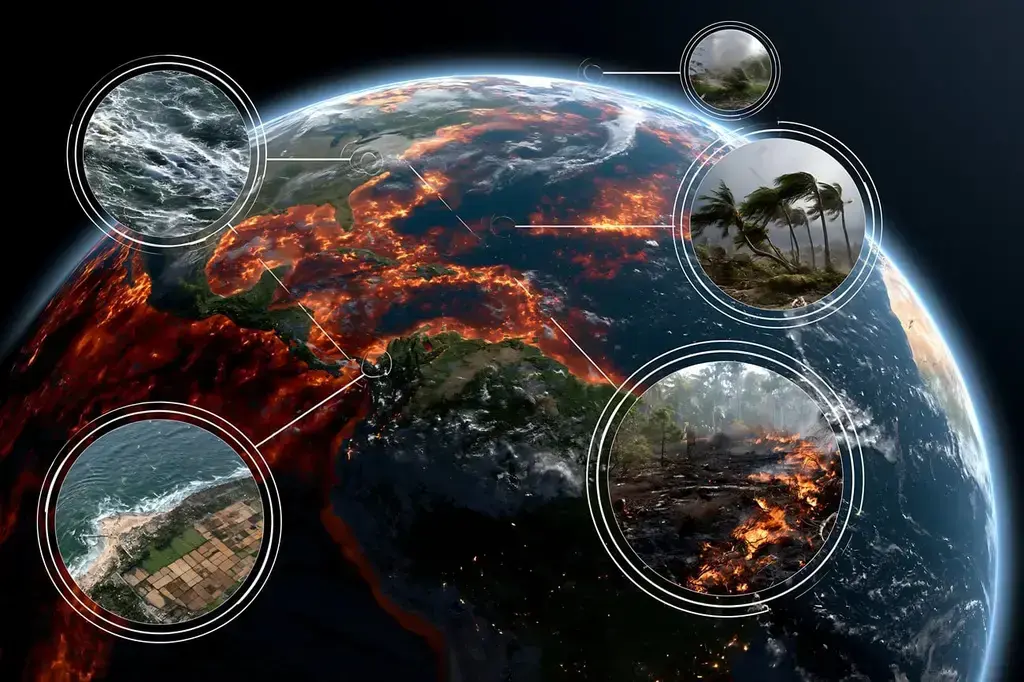
El Niños bring droughts, wildfires as well as flooding, and it will strike across the globe, from Indonesia to India, and Nigeria to the US.
According to the researchers, as the heat deaths have been estimated at regional level, the projections identified where measures to protect people could be put in place.
Better heat forecasts, cooling centres where people can shelter, increased staffing for medical facilities at the hottest times and protections for outdoor workers are some of the potential actions.
Currently, the El Niño, which is heating up the planet, burst through the highest temperature ever recorded for the phenomenon on Monday.
This happened several months before its expected peak, and the heat is so much greater than previous events that scientists have called it “mind-blowing” and “Godzilla-level”.
The phenomenon known as El Niño is a natural climate event but may be made worse by global heating, it has been revealed.
According to one of the co-authors of the report, Prof Michael Greenstone, “the estimate of 451,000 people is such a large number that it can be numbing, but it is made up of parents and children, grandparents and neighbours, people going to work, caring for families, and living their lives”.
The period from September this year to February of next year is the period of the estimate of deaths, however, elevated levels of deaths caused by the heat might continue until June or July of next year, as per the report.
In the next six months, the countries most affected are the tropical nations of Nigeria, Indonesia, Sudan, India and Brazil.
Heavily affected are the Sahel region in Africa and south-east Asia.
Meanwhile, the US is in the top 20 most affected nations, with 3,500 projected additional heat deaths.
According to the researchers, the El Niño is also a “postcard from our future”, as it pushes up temperatures to the level the climate crisis is projected to deliver in two decades.
Weather patterns around the globe are changed by El Niño, as it pushes some regions into drought.
Meanwhile, other places experience flooding and stronger typhoons.
According to forecasters, the phenomenon will boost temperatures in some places, coming on top of rising heat globally from human-induced climate change.
Head of UN António Guterres said: “El Niño is being supersized before our eyes. The science leaves no room for doubt: the planet is in uncharted waters, and those waters are heating up.”
For the BBC, governments and scientists spoke about the measures being taken globally to reduce the risk of deaths, displacement and environmental damage.
The WMO, which is a UN agency, said a “major mobilisation” has been undertaken to try to circulate its forecasts of potential extreme weather events, linked to El Niño, to as many communities as possible.
“El Niño has the potential to deliver a massive blow to communities and economies across the world”, warned WMO Secretary-General Celeste Saulo.
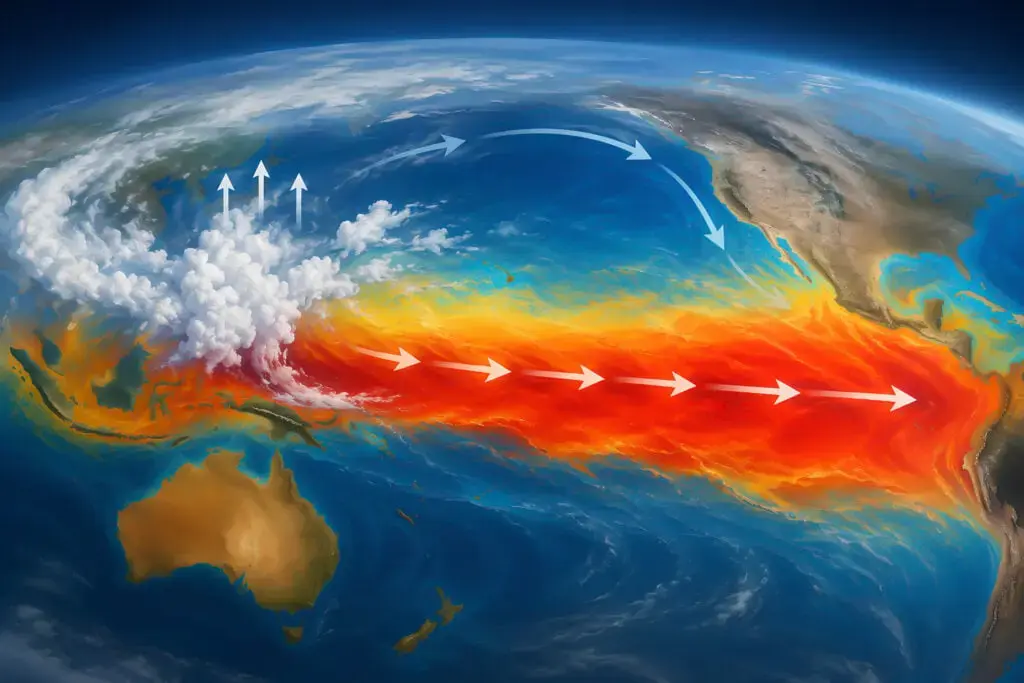
El Niño develops in the Pacific Ocean and is linked to a change in wind patterns, and it allows warm water to spread eastwards and releases heat into the atmosphere.
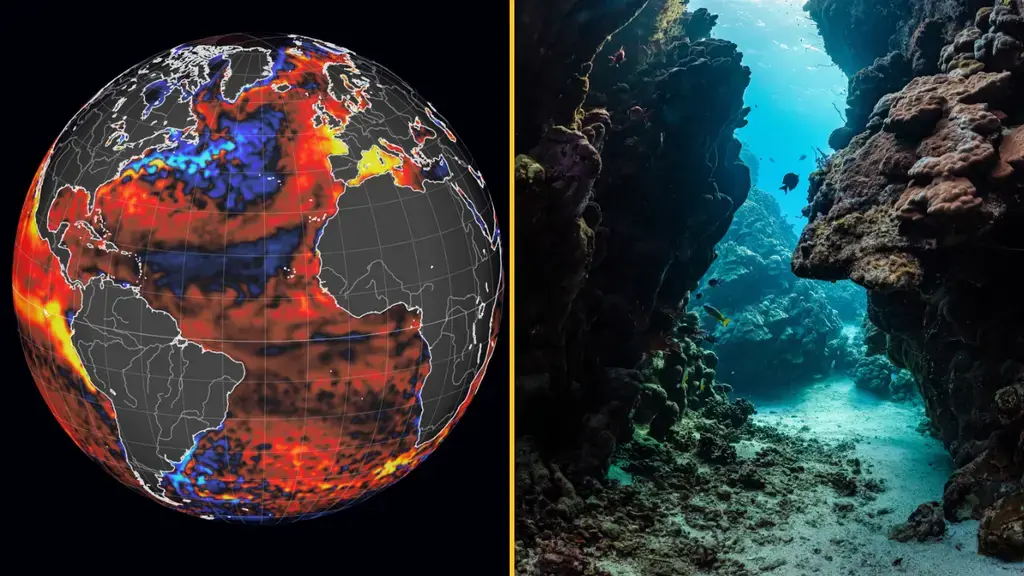
In recent month, in what is a clear sign of a strengthening El Niño, sea temperatures in the central and eastern tropical Pacific have risen sharply.
Surface temperatures have been well over 2C above average in the Pacific’s key monitoring region in recent weeks, putting it on track to be declared a “very strong” event.
However, it is now expected to surpass even that marker, as forecasts suggest monthly sea surface temperatures could get close to 4C above average.
By a potentially large margin, this would make it the strongest El Niño since at least 1950.
Below the surface of the Pacific temperatures are even more exceptional, in places more than 8C above average.
Such above-normal sea temperatures are also expected in other parts of the world including the Indian Ocean, tropical Atlantic and around parts of the Australian coast.
An “unprecedented” El Niño event next year will cause the hottest year on record in the UK, as per the Met Office which issued a new warning last month.
Since records began, the summer of 2026 is set to be the hottest on record in the UK, as in August, even average conditions mean that the temperatures surpassed the records set last year.
Due to this phenomenon, the weather pattern impacts rainfall and average temperatures across the globe.
Over the coming months, the 2026 El Niño is forecast to raise sea temperatures more than 3C, as the Met Office said that would make the weather event “the largest since the 19th century”.
According to the Met Office, the UK could face a greater risk of a wet, stormy autumn, following a summer of amber health alerts and advice on how to keep cool.
"We have many months to go while this event continues to develop," said Dr Zeke Hausfather, a climate scientist at Berkeley Earth, "and that's one of the reasons that we have increased confidence that this will be a record-setting event", Prof Adam Scaife, head of long-range forecasting at the Met Office said.
Explore more on these topics:

News

News

News
News
US goes full North Korea as Trump launches state-run media
America is partying like it’s 1984… They proudly sing about being the ‘land of the free’ in their national anthem, but it seems Donald Trump is determined to see the US follow in the footsteps on Russia and North Korea after his administration announced the launch of a state-run media channel. On Monday, the White […]
News
16h
Former BBC Radio 1 DJ Tim Westwood charged with sexual offences against two more women
It follows 15 charges brought against him in 2025 Former BBC Radio 1 DJ Tim Westwood has been charged with sexual offences against two more women. The Metropolitan Police confirmed in a press release this afternoon that Westood has been charged with sexual offences against two more women. The force said the 68-year-old has been […]
News
17h
Why do prisoners get released before the end of their sentence?
News