







News

Share
Published 11:38 4 Apr 2024 BST
Updated 11:38 4 Apr 2024 BST
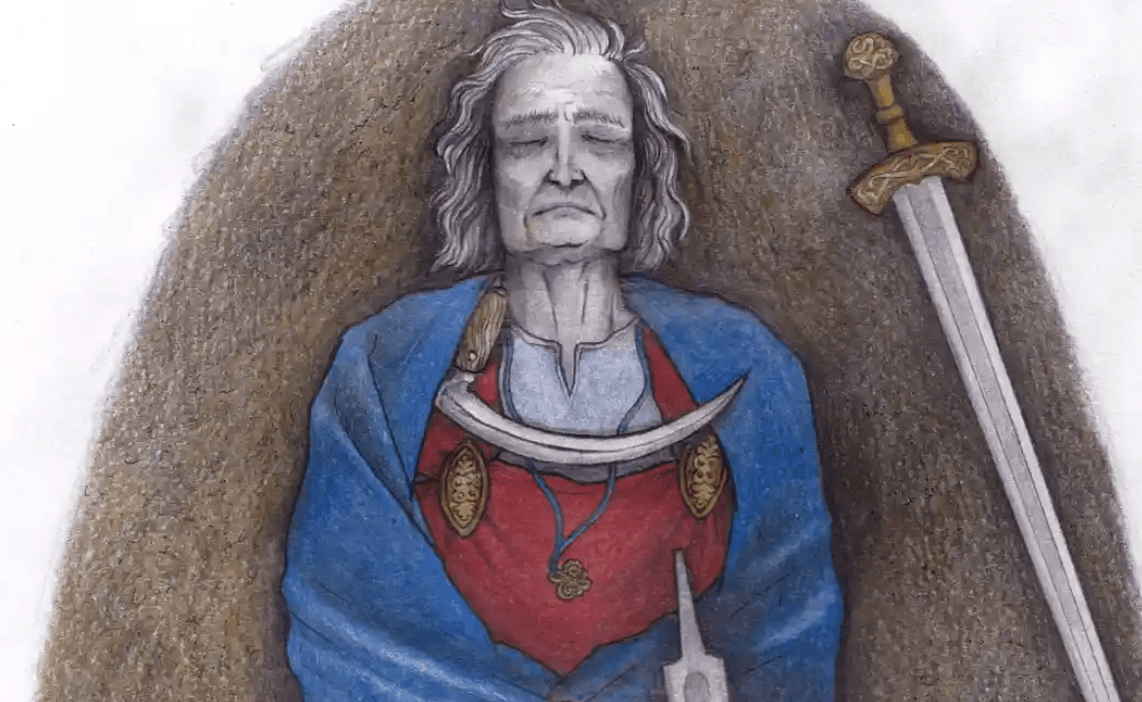
Remains found in Finland could be those of a non-binary leader who lived more than 1,000 years ago.
Analysis of the grave could challenge long-held beliefs about gender roles in ancient societies and suggests that non-binary people were revered members of communities.
According to a peer-reviewed study in the European Journal of Archaeology last month, DNA analysis of the remains in a late iron age grave at Suontaka Vesitorninmäki in Hattula, southern Finland, may have belonged to a high-status non-binary person.
Archeologists had remained unsure about the nature of the remains until last month when new DNA testing on the body confirmed the grave contained just one body.
The remains were first discovered in 1968 during building work, with the grave containing jewellery and fragments of woollen clothing suggesting the dead person was dressed in "typical feminine costume of the era."
However, the grave also contained a hiltless sword, with another sword buried above the original grave. These were features of graves more often associated with masculinity.
The study's lead author, Ulla Moilanen, said: "The buried individual seems to have been a highly respected member of their community.
"They were laid in the grave on a soft feather blanket with valuable furs and objects."
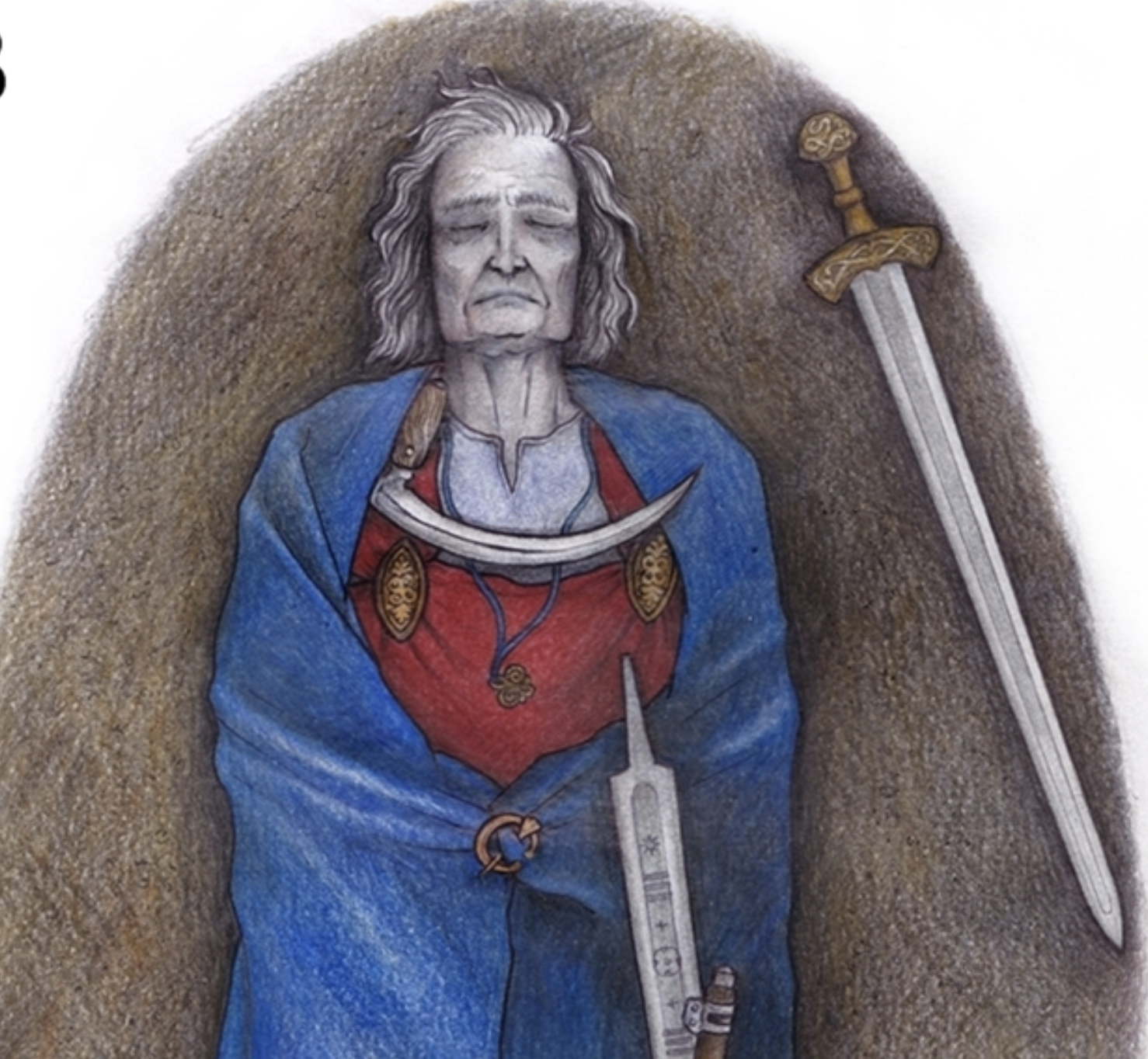
The researchers said that archaeologists had assumed the grave contained two bodies - a man and a woman - or that it was evidence strong female leaders existed in early medieval Finland. But DNA analysis later showed that the grave only held one person and that they had a condition called Klinefelter syndrome. This is a condition where a male is born with an extra copy of the X chromosome, which is the chromosome that makes up a female's DNA.
The condition is thought to affect one in 660 men. Men with the syndrome are still genetically male and often will be unaware that they have an extra X chromosome. It can cause enlarged breasts, a small penis and testicles, a low sex drive, and infertility.
The researchers in Finland have made clear that the DNA results were based on a small sample, and they have had to rely on some modelling to get results.
They have confirmed that it is likely the body had the chromosomes XXY though and that the high-status burial is very likely to mean that the person identified outside the traditional gender classes.
"The overall context of the grave indicates that it was a respected person whose gender identity may well have been non-binary," they wrote.
Moilanen added that the person "might not have been considered strictly a female or a male in the early middle ages community. The abundant collection of objects buried in the grave is proof that the person was not only accepted but also valued and respected."
Researchers said the findings challenge the idea that "men with feminine social roles and men dressing in feminine clothes were disrespected and considered shameful" in early medieval Scandinavia, an environment described as "ultramasculine."
A number of other academics, paleogeneticists and experts have backed the studies findings, calling the research "convincing" and "exciting."
Related links:
Explore more on these topics:

News
News

News

News
Loch Lomond crash: boy, 16, and man, 80, killed in light aircraft crash near Drymen
Major incident declared after fatal plane crash Two people have died following a light aircraft crash in Stirlingshire, prompting a major emergency response and an investigation into the circumstances surrounding the incident. The victims were a 16-year-old boy and an 80-year-old man, who were both found dead after the aircraft came down near Drymen on […]
News
5h
White House press secretary Katie Zacharia fired after five days in position
It comes after Trump said she should ‘reconsider’ her job White House press secretary Katie Zacharia has been fired after five days in the position, as per reports. Zacharia had a tough start to life in the role, hosting a briefing on Tuesday which caused a lot of criticism and raised a number of questions. […]
News
1 day ago
Piers Morgan urges Trump to side with Ukraine against ‘modern-day Hitler’ Putin
News